
Why APAC’s Secondary Cities Are Winning the Next Corporate Investment Race


Governments throughout APAC continue prioritising regional connectivity as part of broader economic development strategies.
For decades, Asia-Pacific‘s corporate investment story revolved around a familiar group of global cities. Singapore, Tokyo, Hong Kong, Sydney, Shanghai and Bengaluru dominated boardroom discussions whenever multinational corporations sought new regional headquarters, manufacturing facilities or technology hubs. In 2026, however, a notable shift is reshaping the investment landscape. Businesses are increasingly directing capital towards secondary cities that offer competitive operating costs, stronger infrastructure, expanding talent pools and supportive government policies.
This transformation is not about replacing established financial centres. Instead, it reflects a more sophisticated corporate strategy focused on diversification, resilience and long-term growth. As companies reassess supply chains, embrace digital transformation and seek new consumer markets, secondary cities across India, Vietnam, Indonesia, Malaysia, Thailand and the Philippines are emerging as some of APAC‘s most attractive investment destinations.
The growing confidence in these cities marks one of the region’s most significant business trends of 2026.
Rising operational costs in major metropolitan areas have encouraged businesses to rethink traditional location strategies. Premium office rents, labour shortages, traffic congestion and infrastructure pressures have reduced the financial advantages once associated with primary cities. At the same time, governments across Asia-Pacific have invested heavily in regional infrastructure, industrial corridors, smart cities and digital connectivity, making smaller urban centres increasingly capable of supporting large-scale corporate operations.
Rather than concentrating every function within a single metropolis, companies are creating distributed business networks. Research and development may remain in established capitals, while manufacturing, customer support, logistics and technology operations expand into nearby secondary cities. This model reduces costs while improving operational flexibility and business continuity.
India provides one of the strongest examples of this transition. While Bengaluru, Hyderabad and Mumbai remain major investment destinations, Tier-2 cities are rapidly attracting technology companies, financial institutions and global capability centres. Recent employment data highlights Visakhapatnam, Surat, Vadodara and Ludhiana among India’s fastest-growing professional employment markets, supported by improved infrastructure and expanding digital industries.
These cities are benefiting from multiple competitive advantages. Universities continue producing skilled graduates, commercial property remains significantly more affordable than metropolitan alternatives, and governments actively encourage industrial expansion through investment incentives and improved transport infrastructure. The result is an increasingly attractive proposition for multinational corporations seeking sustainable expansion without excessive operating costs.
Vietnam is witnessing a similar evolution. While Ho Chi Minh City and Hanoi continue to dominate foreign investment, cities such as Hai Phong, Da Nang and Can Tho have become important manufacturing and logistics centres. Global manufacturers increasingly value these locations for their modern industrial parks, improving port infrastructure and strategic positions within regional supply chains.
Vietnam’s economic diversification has also encouraged investments in electronics, renewable energy components and advanced manufacturing. International firms view secondary cities as opportunities to establish scalable production facilities while maintaining access to export markets throughout Asia-Pacific and beyond.
Indonesia’s investment narrative is expanding beyond Jakarta. Surabaya, Semarang, Makassar and Batam are becoming increasingly significant destinations for logistics, manufacturing, maritime industries and digital services. Government investment in transport infrastructure, ports and industrial estates has strengthened regional competitiveness, encouraging companies to establish operations closer to emerging consumer markets.
Indonesia’s rapidly growing middle class has also shifted investment priorities. Rather than concentrating solely on the capital, retailers, healthcare providers, technology firms and financial institutions are expanding into regional urban centres where demand continues to accelerate.
Malaysia’s regional development strategy has likewise strengthened cities including Johor Bahru, Penang and Kuching. Penang continues attracting semiconductor manufacturers and technology companies, while Johor Bahru benefits from its proximity to Singapore, creating opportunities for cross-border operations and integrated supply chains.
Businesses increasingly recognise that proximity to a global financial hub can provide significant commercial advantages without incurring the high operational costs associated with maintaining a full presence within that city itself.
Thailand is also seeing investment spread beyond Bangkok. The Eastern Economic Corridor continues supporting industrial expansion around Chonburi, Rayong and Chachoengsao, attracting advanced manufacturing, electric vehicle production, automation technologies and logistics investments. Improved transport networks and government incentives have strengthened investor confidence, particularly among companies seeking long-term production capacity.
The Philippines is experiencing comparable momentum. Cebu, Davao and Clark have evolved into important business process outsourcing, information technology and logistics centres. Their expanding infrastructure, English-speaking workforce and competitive operating environment have encouraged multinational firms to establish regional operations outside Metro Manila.
Corporate investment is no longer driven solely by labour costs. Talent availability has become equally important. Universities located within secondary cities increasingly collaborate with industry partners, producing graduates equipped with skills in software development, engineering, finance, artificial intelligence and digital services.
Remote working and hybrid employment models have further accelerated this trend. Companies are discovering they can recruit highly skilled professionals without requiring relocation to expensive metropolitan centres. Employees, meanwhile, increasingly value improved quality of life, lower housing costs and shorter commuting times offered by regional cities.
Infrastructure development remains another decisive factor. High-speed internet, expanding airports, modern highways, industrial parks and improved logistics networks have significantly reduced the disadvantages historically associated with secondary locations. Governments throughout APAC continue prioritising regional connectivity as part of broader economic development strategies.
Digital infrastructure has become particularly important. Data centres, cloud computing facilities and fibre broadband networks now enable businesses to operate sophisticated digital services from locations previously considered unsuitable for international operations. Growing investment in AI infrastructure and digital transformation is encouraging companies to expand well beyond traditional technology clusters.
Environmental, social and governance considerations are also influencing investment decisions. Many secondary cities offer greater opportunities for sustainable industrial development, renewable energy integration and environmentally responsible urban planning. Businesses seeking to achieve ambitious net-zero targets increasingly favour locations where new facilities can incorporate modern sustainability standards from the outset.
Property markets reflect these changing investment priorities. Commercial developers are rapidly expanding Grade A office developments, industrial parks, logistics facilities and mixed-use business districts in emerging urban centres. Investors recognise that growing corporate demand will continue supporting occupancy levels and long-term asset appreciation.
International financial institutions are also responding to evolving regional opportunities. Banks are strengthening advisory capabilities across Asia-Pacific, focusing on expanding investment activity in fast-growing markets including India, Southeast Asia, Japan and Australia as demand for corporate financing, mergers and acquisitions continues evolving across the region.
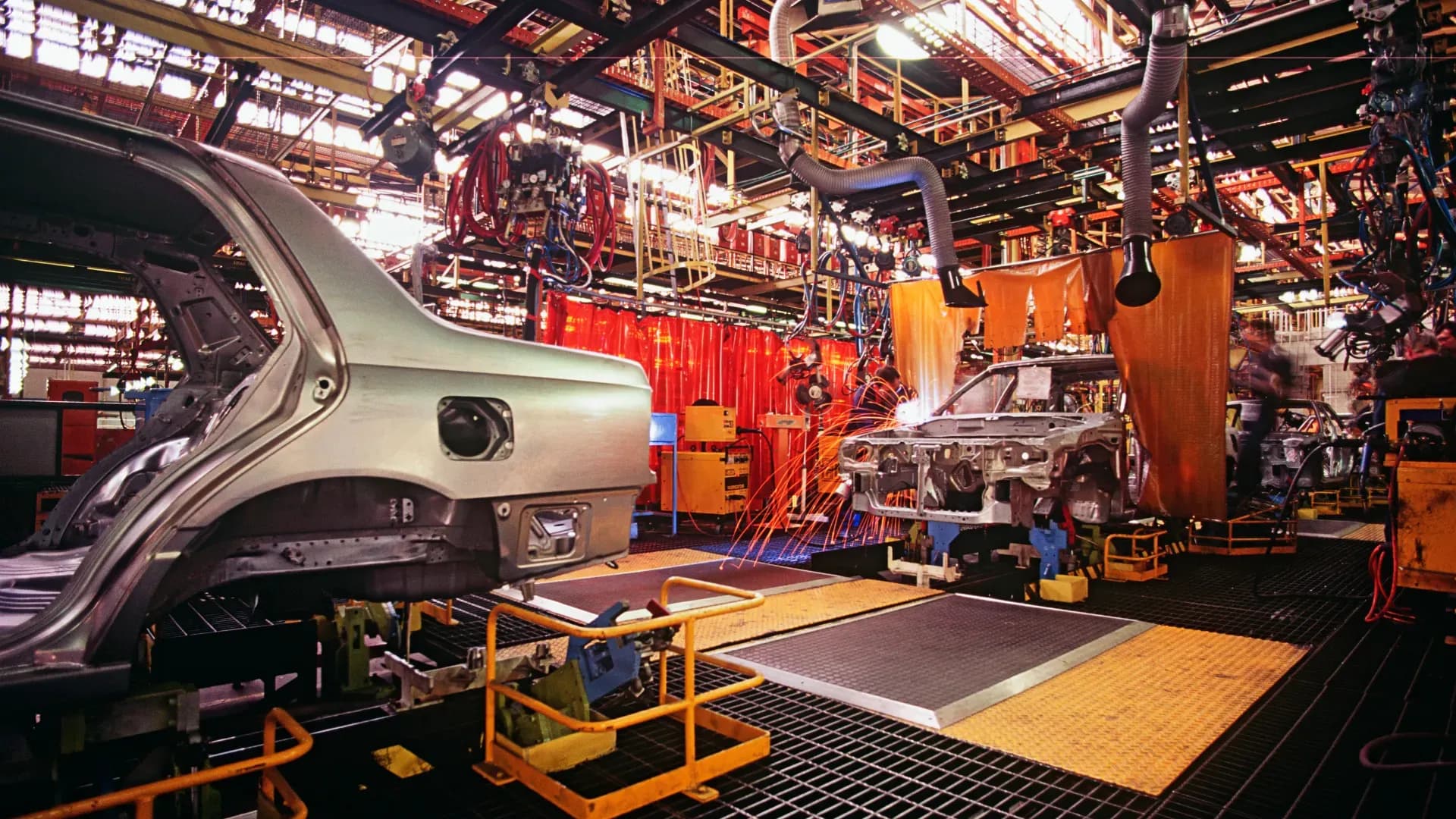
Supply chain resilience has become another powerful investment driver following recent global disruptions. Companies increasingly avoid concentrating manufacturing capacity within a single metropolitan region. Instead, production is distributed across multiple cities to reduce operational risk while improving flexibility and responsiveness to changing market conditions.
The continued growth of digital commerce further strengthens secondary cities. Rising consumer spending, expanding logistics infrastructure and increasing internet penetration have transformed regional urban centres into valuable domestic markets rather than simply low-cost production locations. Businesses now view these cities as both operational bases and important sources of future revenue growth.
Looking ahead, investment competition among secondary cities is expected to intensify. Success will increasingly depend upon the ability of local governments to deliver high-quality infrastructure, skilled talent, transparent regulation and sustainable urban planning. Those capable of combining affordability with innovation will attract increasing levels of domestic and international capital.
Rather than challenging the dominance of Asia-Pacific’s established global cities, secondary urban centres are complementing them by creating a more balanced regional economic ecosystem. This multi-city growth model offers corporations greater flexibility, governments broader economic development and investors more diversified opportunities.
The investment landscape of 2026 demonstrates that corporate location strategies are becoming increasingly nuanced. Businesses are no longer asking which global city offers the greatest prestige. Instead, they are identifying which combination of cities delivers the strongest operational resilience, workforce quality, infrastructure and long-term value. Across Asia-Pacific, that answer increasingly points towards secondary cities, whose rapid transformation is positioning them as the next generation of corporate investment hotspots.