
Aviation
World’s Top 10 Defence Technology Companies
The Global Economics·11 September 2026·Reading time: 4 mins
528reads

The global defence industry is entering a technology-led transformation, with governments increasing spending on missiles, autonomous systems, cyber security, space, electronic warfare, artificial intelligence and next-generation aircraft.
- Lockheed Martin – United States
Lockheed Martin remains the leading defence company by defence revenue, with strengths spanning combat aircraft, missiles, space systems, air and missile defence, and sensors. Its strategic goal is to deliver integrated, networked capabilities while accelerating digital engineering and autonomous systems. Future investment is notable: in 2026, Lockheed Martin increased its venture fund capacity from $400 million to $1 billion, targeting technologies that can move rapidly from research into national-security programmes, alongside continued spending on next-generation air dominance and missile defence. - RTX – United States
RTX combines Raytheon’s missile and defence portfolio with Collins Aerospace and Pratt & Whitney, giving it a broad technology base across sensors, interceptors, propulsion and aviation systems. Its defence strategy centres on strengthening integrated air and missile defence, precision weapons, advanced radar and electronic warfare. Future investment should focus on production capacity, resilient supply chains, digital engineering and next-generation propulsion. Its scale also positions RTX to benefit from rising demand for replenishment, modernised air defences and connected battlefield architectures worldwide. - General Dynamics – United States
General Dynamics operates across combat vehicles, submarines, naval systems, business aviation, information technology and mission systems. Its defence objective is to provide enduring platforms while modernising command, communications and digital capabilities for increasingly networked forces. Future investment is likely to favour submarine production, land systems, advanced mission computing and secure communications as governments seek greater capacity. Its growing position in the 2026 global ranking reflects revenues and rising demand for strategic naval platforms, resilient infrastructure and digitally enabled military operations. - Northrop Grumman – United States
Northrop Grumman is a US defence leader specialising in strategic aircraft, autonomous systems, space, missile defence, sensors and cyber capabilities. Its goal is to maintain technological advantage by developing systems that connect information, sensing and effects across multiple domains. Future investment is centred on space architectures, autonomous aircraft, hypersonics, missile defence and digital manufacturing. The company’s strategy emphasises speed and scalable production, supported by years of investment across factories, enterprise systems and research programmes designed to meet complex security requirements. - BAE Systems – United Kingdom
BAE Systems is Britain’s largest defence contractor and a global supplier of combat aircraft technology, naval systems, electronic warfare, cyber security and land platforms. Its ambition is to help allied nations counter evolving threats through technology-led, interoperable capabilities. Future investment will combine self-funded research, technology acquisitions, autonomy, electronic warfare, software-defined communications and uncrewed systems. With a record £83.6 billion backlog in 2025, BAE has substantial visibility for continued innovation and capacity expansion across major allied markets worldwide and beyond. - Boeing – United States
Boeing remains a major defence technology company, spanning military aircraft, rotorcraft, surveillance, space and autonomous systems. Its future direction is increasingly shaped by autonomy and software alongside aerospace engineering. In 2026, Boeing agreed to invest in Archer while transferring Wisk Aero, Insitu and SkyGrid, creating deeper collaboration around physical AI, autonomy and airspace intelligence. The strategic goal is to build advanced, connected aerospace capabilities while improving industrial efficiency and positioning Boeing for future defence and dual-use technology markets worldwide, at scale. - AVIC – China
AVIC, China’s major state-owned aviation industrial group, represents a ecosystem covering military aircraft, helicopters, avionics, engines and aerospace technologies. Its strategic goal is to strengthen China’s indigenous aerospace capabilities and reduce dependence on foreign technology. Future investment is expected to prioritise advanced fighters, unmanned systems, engines, sensors and autonomous technologies. China is also accelerating military applications of robotics and autonomous systems, suggesting that AVIC and its wider industrial ecosystem will increasingly integrate artificial intelligence, robotics, manufacturing and networked battlefield capabilities. - L3Harris Technologies – United States
L3Harris Technologies focuses on mission-critical systems connecting space, air, land, sea and cyber domains. Its portfolio includes communications, electronic warfare, sensors, intelligence, space payloads and missile-related technologies. The company’s goal is to provide resilient, interoperable technology for governments and allied forces operating in contested environments. Future investment is expected to emphasise space systems, electronic warfare, secure communications, artificial intelligence and rapid technology development. Its strong defence exposure positions L3Harris to benefit as militaries modernise networks and replace ageing mission-critical equipment. - Leonardo – Italy
Leonardo is Italy’s flagship defence and aerospace technology group, with capabilities in helicopters, aircraft, electronics, cyber security, land systems and space. Its strategic goal is to build an interconnected European security ecosystem rather than isolated national capabilities. Future investment is ambitious: Leonardo is expanding through Iveco Defence, cyber acquisitions, the GCAP combat-air programme, unmanned technology partnerships and European space cooperation. Its plan also increases research and development intensity, supporting multi-domain systems that combine sensors, artificial intelligence, command-and-control and advanced platforms. - Airbus – Europe
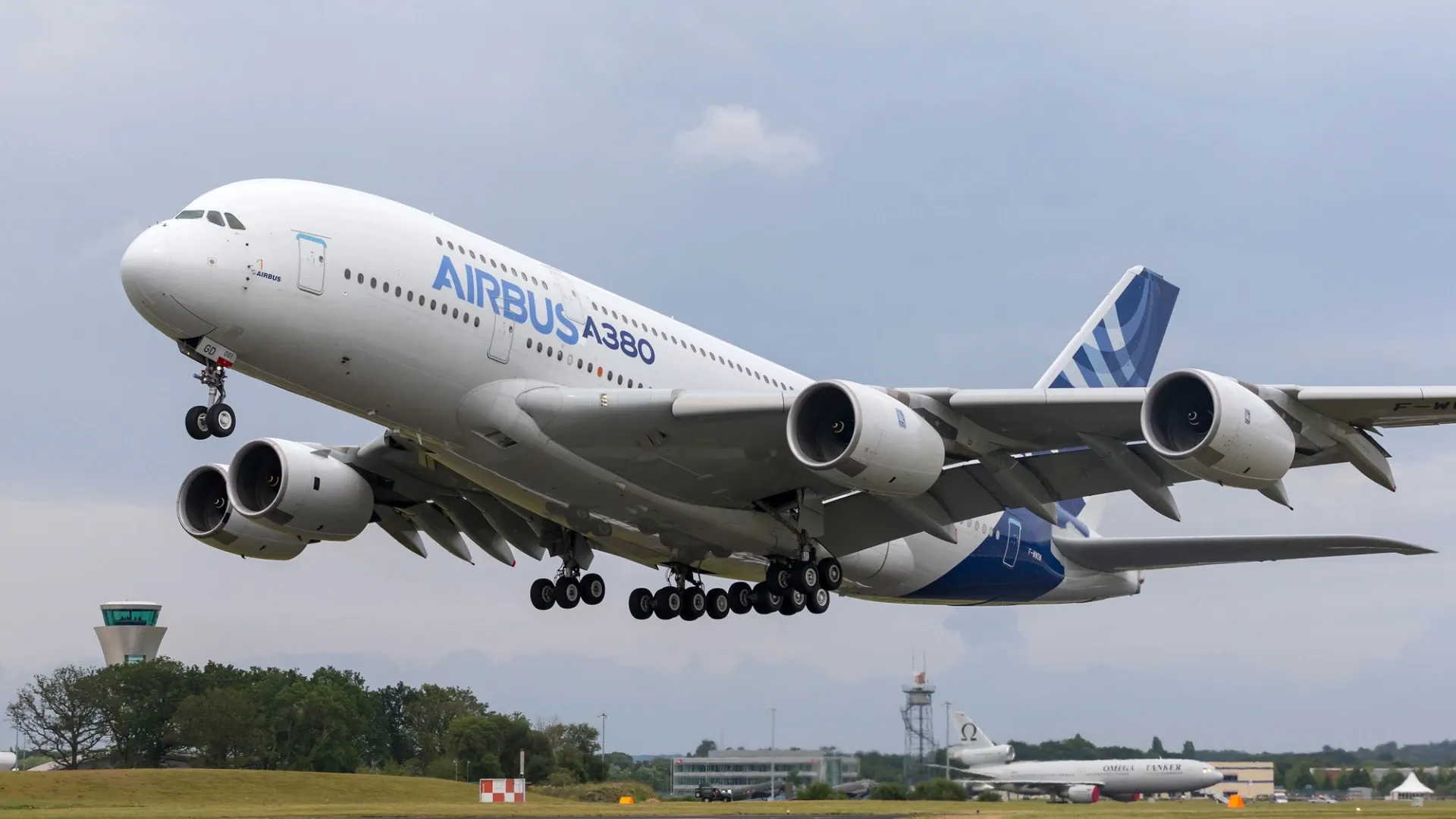
Airbus rounds out the top ten through its Defence and Space business, covering military aircraft, space systems, secure communications and connected intelligence. Its goal is to strengthen European strategic autonomy while delivering resilient, innovative and scalable defence capabilities. Future investment is moving towards next-generation aircraft, space infrastructure, digital systems and dual-use technologies. In 2026, Airbus became an anchor investor in the €500 million E2D defence technology fund, signalling a strategy to back European deep-tech companies and strengthen Europe’s future defence ecosystem.