

How Pacific Economies Navigate Regional Growth By Strengthening Aviation Sector
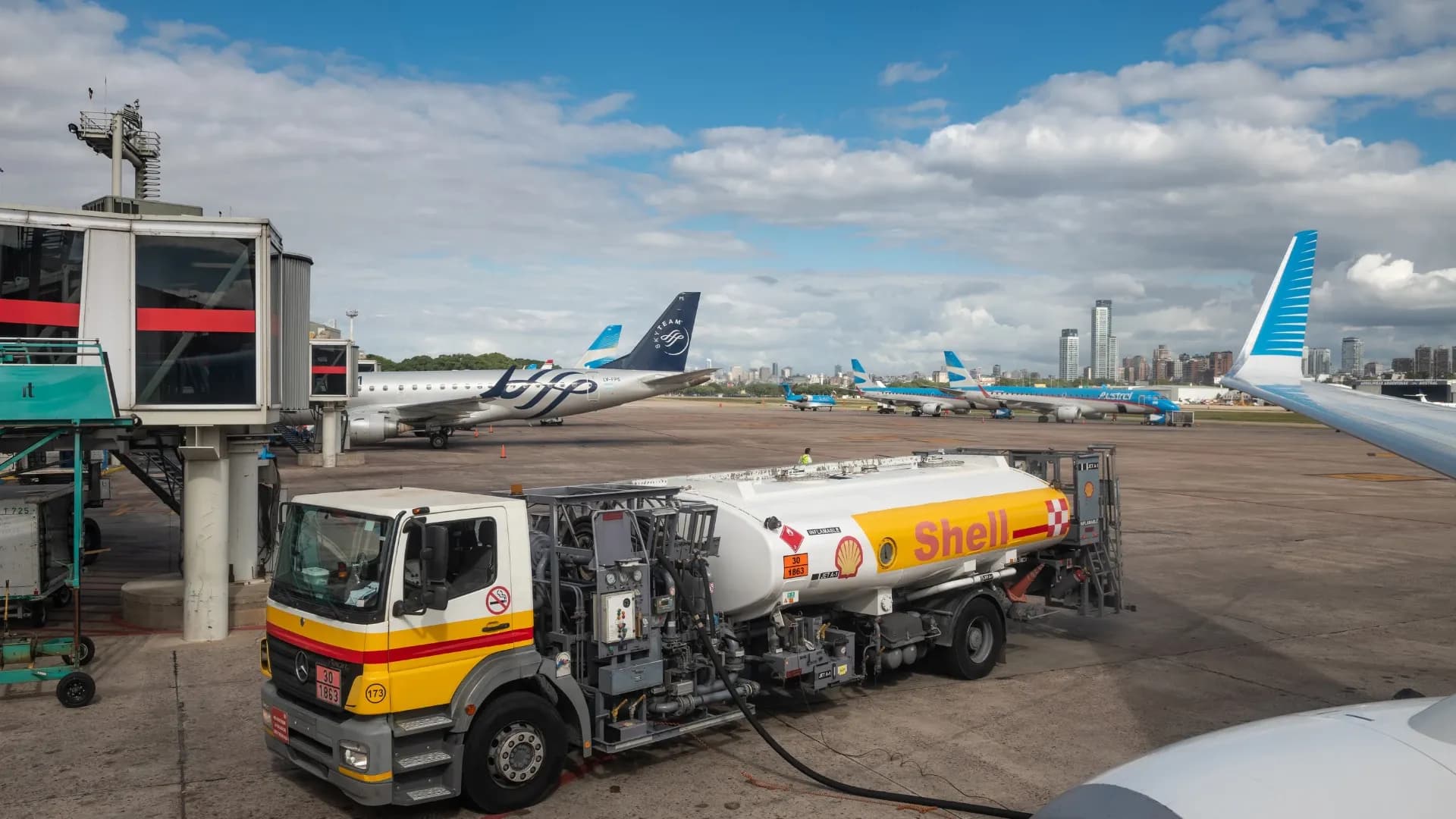

Australia’s domestic aviation market has experienced sustained growth throughout 2026, supported by population shifts towards regional centres, increased domestic tourism and renewed business travel.
Australia’s aviation industry and the wider Pacific region are entering a period of significant transformation as demand for regional travel strengthens while fuel costs continue to exert pressure on transport networks, tourism operators and national economies. Across Oceania, governments, airlines and businesses are adapting to changing market conditions that are reshaping the way people travel, trade and connect.
Australia’s domestic aviation market has experienced sustained growth throughout 2026, supported by population shifts towards regional centres, increased domestic tourism and renewed business travel. Recent transport data shows continued activity across domestic routes, reflecting the importance of aviation in connecting a geographically vast nation where regional communities rely heavily on-air services for economic and social mobility.
The resurgence in regional travel demand has created opportunities for airlines to expand capacity and launch new services. Several carriers have introduced additional routes and increased flight frequencies to capture growing passenger volumes, particularly in regional tourism markets. New connections linking Australian cities with destinations across New Zealand, Asia and the Pacific are also strengthening the country’s position as a regional aviation hub.
A key driver behind this trend is the changing demographic landscape. Regional centres such as Toowoomba and other fast-growing communities have attracted residents seeking affordability, lifestyle advantages and employment opportunities outside major metropolitan areas. As migration into regional Australia accelerates, demand for reliable air connectivity has risen alongside the need for stronger transport infrastructure.
Airlines are responding through a combination of network expansion, fleet modernisation and operational innovation. Investments in more fuel-efficient aircraft are becoming increasingly important as carriers seek to balance rising passenger demand with the challenge of controlling operating expenses. New-generation aircraft offer lower fuel consumption, improved range and enhanced passenger comfort, enabling airlines to serve regional destinations more efficiently.
However, the industry’s growth ambitions are being tested by mounting cost pressures. Australian airlines have warned that increasing regulatory charges, airport fees, security expenses and fuel-related costs are making some regional routes more difficult to sustain. Several carriers have already reduced or suspended services on underperforming routes where demand has failed to offset higher operating expenses. Industry leaders argue that regional connectivity could be weakened if cost pressures continue to rise unchecked.
This tension between growth and affordability highlights one of the aviation sector’s most significant challenges. While demand for travel remains resilient, airlines must carefully balance route expansion with profitability. Thin regional routes are particularly vulnerable because even modest increases in fuel costs or regulatory charges can significantly affect commercial viability.
The fuel issue extends far beyond Australia. Across the Pacific Islands, higher global oil prices have emerged as a major economic concern. Many Pacific economies remain heavily dependent on imported fuel, making them particularly exposed to fluctuations in international energy markets. Rising fuel costs increase transportation expenses, elevate inflationary pressures and raise the price of imported goods, creating widespread economic effects throughout the region.
For island nations, connectivity is more than a convenience; it is an economic necessity. Tourism, trade and essential public services all depend on reliable air and maritime transport links. When fuel prices increase, airlines and shipping operators face difficult decisions regarding route frequency, service levels and pricing. The result can be reduced connectivity for communities that already face geographical isolation.
Tourism-dependent economies such as Fiji, Samoa, Palau and Vanuatu are especially sensitive to changes in aviation costs. Higher jet fuel prices contribute to more expensive airfares, potentially reducing visitor numbers and affecting tourism revenues. Although visitor demand has remained relatively strong, policymakers and tourism operators are closely monitoring fuel market developments because travel costs remain a critical factor influencing international tourism flows.
In response, Pacific governments and businesses are pursuing a range of adaptation strategies. One of the most significant developments is the acceleration of renewable energy investment. Across the region, solar power projects, battery storage systems and renewable energy infrastructure are being expanded to reduce dependence on imported diesel and strengthen long-term energy security. Policymakers increasingly view renewable energy not only as an environmental objective but also as an economic necessity.
The economic rationale is compelling. In many Pacific nations, fuel imports account for a substantial share of national expenditure. By increasing the use of solar and other renewable energy sources, governments can reduce exposure to global oil price volatility while lowering long-term energy costs for households and businesses. Renewable energy projects are therefore becoming central to broader economic resilience strategies.
Private-sector adaptation is also underway. Airlines operating across the region are modernising fleets, restructuring operations and reviewing route networks to improve efficiency. More fuel-efficient aircraft, improved scheduling systems and strategic capacity management are helping carriers reduce operating costs while maintaining service reliability. These measures are becoming increasingly important as airlines seek to navigate an environment characterised by unpredictable fuel markets and evolving travel patterns.
Technology and data analytics are further supporting the sector’s response. Airlines and airports are making greater use of real-time operational intelligence to optimise capacity, improve scheduling and enhance passenger experiences. These investments allow operators to make faster decisions in a market where demand patterns and operating conditions can change rapidly.
Looking ahead, the outlook for Australia’s aviation industry remains broadly positive despite ongoing challenges. Regional travel demand continues to provide opportunities for growth, while infrastructure investment and network expansion are expected to support long-term connectivity. At the same time, cost pressures are likely to remain a defining issue, requiring careful collaboration between airlines, regulators and policymakers.
For Pacific economies, the path forward will depend largely on their ability to reduce fuel dependency and strengthen economic resilience. Renewable energy adoption, transport efficiency improvements and continued investment in connectivity will play crucial roles in mitigating the effects of future energy market shocks. The region’s response to rising fuel costs is increasingly demonstrating that adaptation is not simply about weathering economic pressures but about building more sustainable and resilient economies for the future.
Together, these developments illustrate a broader regional story. Australia’s aviation sector is adapting to rising demand through innovation and investment, while Pacific economies are reshaping their energy and transport strategies in response to higher fuel costs. Both trends reveal a region determined to maintain connectivity, support economic growth and build resilience in an increasingly complex global environment.