
Subsidies And Stablecoins: How The $1.9b IMF Deal Affects Bolivia
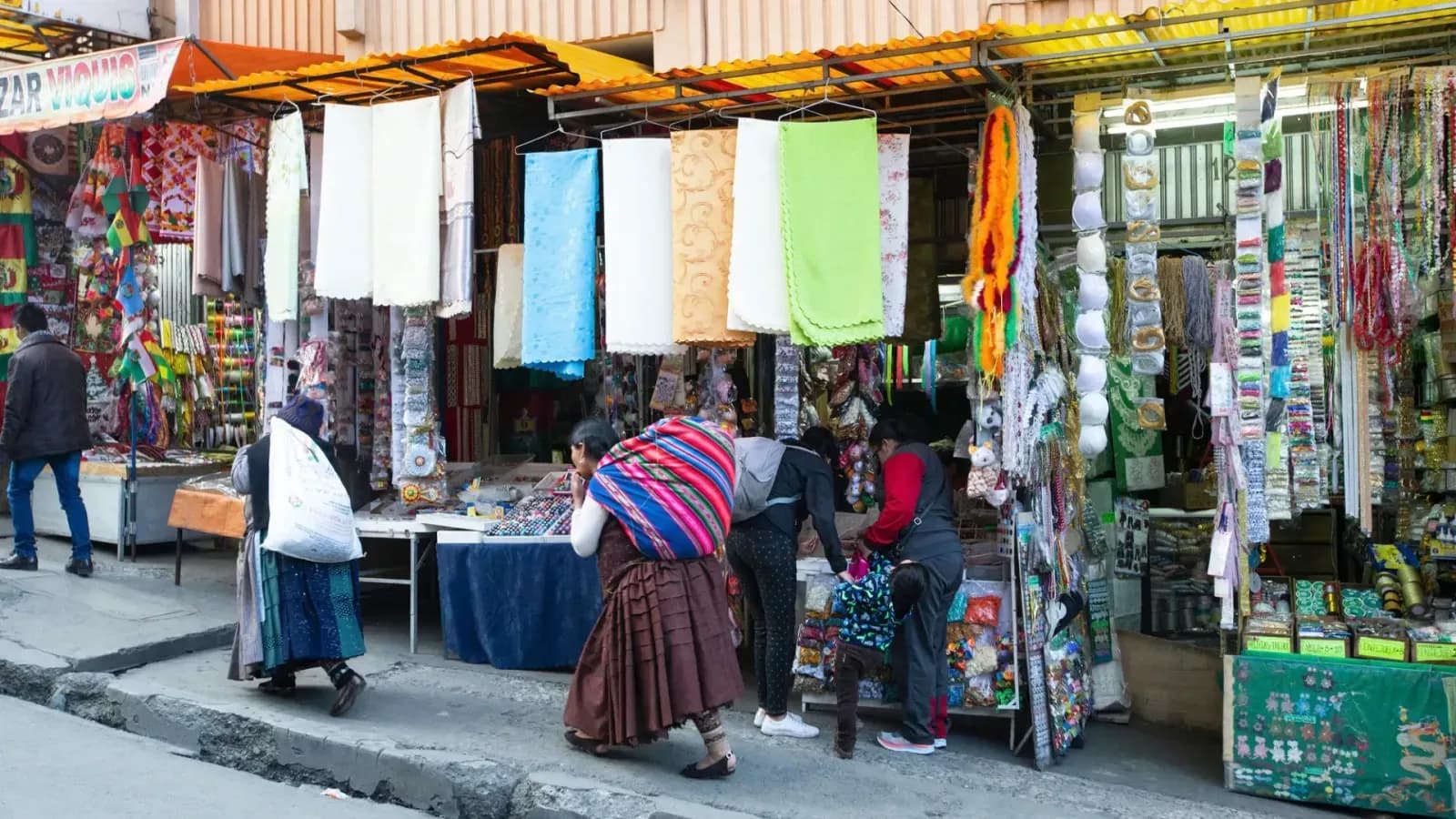

Bolivia has agreed to access $1.9 billion in financing from the International Monetary Fund (IMF) amid rising currency shortages, shrinking foreign reserves and overall fiscal challenges. The agreement was approved last week by both houses of Parliament and is a loan under the 36-month program of the IMF's Extended Fund Facility (EFF). Through this program, Bolivia can also access over $5 billion in additional funds from other international financial institutions like the World Bank and the Inter-American Development Bank (IDB).
In exchange for this external financing, Bolivia must implement a series of stabilising measures like reducing the fiscal deficit, enforcing greater monetary discipline and becoming a more investment-friendly country, among others. This program also seeks to limit monetary financing of the public deficit.
One of the striking clauses under the loan agreement is related to the fuel policy. The deal pushes for the elimination of government subsidies, while the government led by President Rodrigo Paz believes that spending cuts must have protective mechanisms to safeguard the interests of the most vulnerable sectors.
Economy Minister Christian Morales defended the IMF agreement by arguing that when this government came to power, Bolivia’s net international reserves were only $3.17 billion, of which only $52 million were liquid reserves. Government estimates suggest that reserves will reach nearly $6 billion by the end of this year, nearly $8 billion in 2028, when the program is set to conclude and around $9.07 billion in 2031. It also aims to reduce the fiscal deficit from 9.1% of GDP in 2026 to 6.4% in 2027 and 3.8% in 2028.
Soon after the Congress approved the loan, the President announced that subsidies on diesel powering trucks, buses and tractors would be removed, in compliance with the IMF's demand. Gasoline, which is primarily used in private cars, remains subsidised for now; that could also change soon, as Paz already withdrew support for this subsidy a few months ago.
Following months of negotiations with the government, the IMF finally announced a staff-level agreement in July. The Paz-led government is considered more pro-market and came to power in 2025 after two decades of successive socialist governments. Across LatAm countries, more market-friendly governments are being formed and are allying themselves with US President Trump.
The government remains firm on its decision to eliminate fuel subsidies despite the risk of reigniting protests and unrest, which had paralysed the country in June and July. Protesters even went so far as to demand President Paz’s resignation. The Bolivian government had reacted to the road blockades by invoking a state of Emergency, which has been extended for another 90 days. Emergency powers allow the government to suspend certain civilian liberties and also allow for military intervention.
The Bolivian Workers’ Central, the country’s main labour federation, along with other unions, have vehemently opposed the IMF deal, arguing that reducing government spending would lead to rising living costs, further increasing the hardships of low-income households.
Export of natural gas have shrunk significantly, resulting in billions of dollars worth of losses for Bolivia. The country previously relied on these exports to import gasoline and diesel, which have also dropped. Bolivia has been suffering from chronic fuel shortages from 2023, and the Iran crisis has sent energy markets reeling, making fuel subsidies a huge drag on the government’s resources, further exacerbating its financial precariousness.
Paz has defended his decision to eliminate subsidies and announced that diesel would henceforth be sold at international prices. He argues that ‘no one can buy something expensive and sell it cheap.’ However, to soften the blow, the government has offered about $79 million in cash assistance for approximately 2.9 million Bolivians, with truckers, small businesses, and producers even getting loans on preferential terms to deal with higher diesel prices.
Paz promised that the subsidies would be redirected towards schools, hospitals and roads. He also stated that this would end the country’s persistent diesel shortage and that supply would be available seven days a week.
As part of the IMF deal to restructure the economy, Bolivia has also committed to developing a regulatory and supervisory framework for cryptocurrencies, as the government works towards curbing illicit capital outflows through digital asset markets. In the Memorandum of Economic and Financial Policies, the Bolivian Ministry of Economy and Public Finance grouped virtual assets with reforms including monetary and foreign exchange markets, pension risks and anti-money laundering controls. The government is yet to disclose details on licensing, reporting requirements or rules for crypto exchanges.
As the country’s US dollar reserves dwindle, crypto usage across Bolivia has grown. The USDT has become particularly popular among private citizens and businesses seeking dollar-backed alternatives. The estimated crypto activity in the country between 2022 and 2025 was $14.8 billion.
The IMF loan agreement has come just as Bolivian officials were considering formalising the use of stablecoins. Policymakers are exploring the possibility of USDT operating within the national payment systems, alongside the currency, the boliviano and the internationally accepted USD. There was a proposal in July to make the USDT a payment option, and lenders Banco Unión and Banco FIE had already begun providing services linked to the stablecoin.
However, the government’s interest in formalising crypto precedes the July proposal. In March 2025, the government authorised the state-owned energy company YPFB’s request to use crypto for fuel imports, as low USD reserves were making it challenging to complete conventional payments.
In conclusion, Bolivia’s $1.9 billion IMF agreement marks a critical turning point under President Rodrigo Paz, aiming to rescue the nation from severe fiscal distress and plummeting foreign reserves. While the government argues that these reforms are vital for long-term economic stabilisation, the opposition has accused Paz of discarding the interests of economically marginalised sections.
Simultaneously, the integration of a regulatory framework for cryptocurrencies like USDT reflects the country’s eagerness to accept non-traditional payment methods to tackle its dwindling dollar reserves. While the IMF deal has come with several riders, it promises hope to individuals and businesses alike in Bolivia, which has suffered many economic shocks due to domestic and international issues.