
Saudi Arabia’s Event Economy: How Riyadh Is Building a Multi-Billion-Dollar Global Events Industry
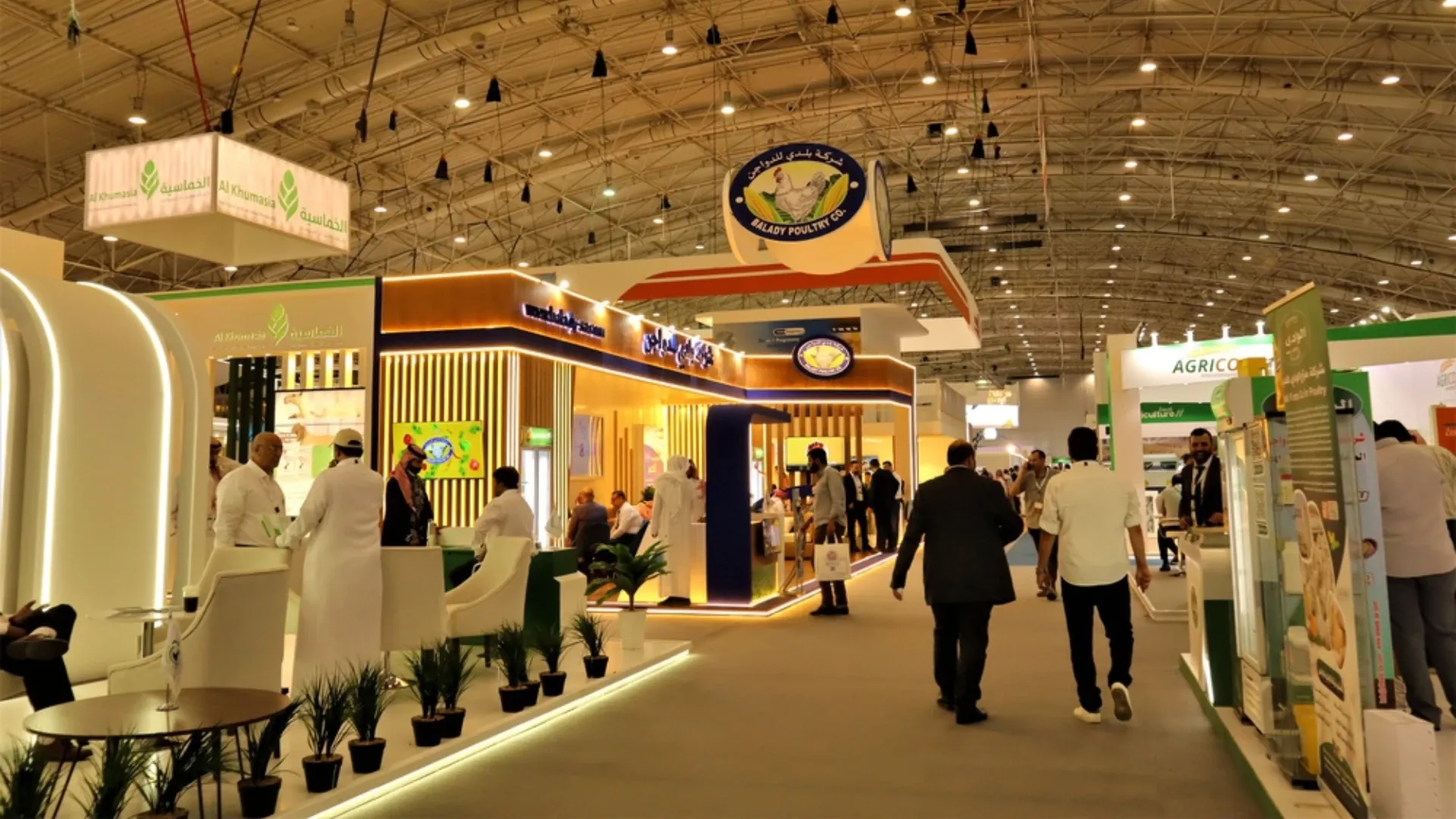

Riyadh is investing heavily in exhibition centres, hotels, airports, transport systems and digital connectivity to support rising visitor volumes.
For decades, global business events were largely concentrated in cities such as London, Dubai, Singapore and Las Vegas. Today, however, another city is rapidly entering that elite conversation. Riyadh is no longer positioning itself merely as the political capital of Saudi Arabia; it is evolving into one of the world’s fastest-growing destinations for international conferences, technology expos, gaming conventions and large-scale entertainment gatherings.
At the centre of this transformation is Saudi Arabia’s ambitious Vision 2030 programme, which aims to reduce the Kingdom’s dependence on oil by building new economic sectors capable of attracting international investment, tourism and global talent. Among the most commercially significant of these sectors is the events economy, an industry Riyadh is turning into a multi-billion-dollar growth engine.
The scale of expansion is striking. Saudi Arabia’s events and entertainment sector has rapidly evolved from a relatively niche market into a major economic pillar supported by government investment, infrastructure development and private-sector partnerships. According to recent industry estimates, the Kingdom hosted millions of attendees across thousands of events during the past two years, reflecting the growing commercial appetite for business tourism and live experiences.
One of the most influential companies driving this transformation is Tahaluf, the Riyadh-based joint venture backed by British exhibition giant Informa and the Saudi Federation for Cybersecurity, Programming and Drones. Since its launch, Tahaluf has become a central architect of Saudi Arabia’s modern exhibition industry, developing large-scale events across technology, finance, cybersecurity, healthcare and real estate.
Perhaps the clearest symbol of Riyadh’s ambitions is the explosive rise of the LEAP Tech Event conference. What began in 2022 as a new technology gathering quickly developed into one of the world’s largest tech exhibitions, attracting hundreds of thousands of visitors, investors and corporate leaders. The event has become a showcase for artificial intelligence, fintech, smart cities, digital infrastructure and venture capital investment, while simultaneously positioning Riyadh as a global technology hub.
The Kingdom is also aggressively investing in gaming and digital entertainment, sectors viewed as critical to attracting younger audiences and building a diversified creative economy. Saudi Arabia has already emerged as one of the Middle East’s most important gaming markets, and Riyadh is leveraging that momentum through international gaming conventions and esports festivals. Tahaluf’s newly announced “Kingdom of Gaming” initiative is expected to bring developers, publishers, investors and creators from around the world to Riyadh, further strengthening the city’s ambitions to become a regional gaming capital.
Cybersecurity and artificial intelligence are equally central to Riyadh’s strategy. Events such as Black Hat Middle East and Africa and DeepFest are drawing tens of thousands of professionals, technology firms and policymakers into the Saudi market. These gatherings are not simply trade shows; they function as economic catalysts that stimulate hotel occupancy, aviation demand, retail spending and international business partnerships.
The broader economic implications are substantial. Tahaluf alone has stated that its expanding portfolio of events could generate more than US$1 billion in economic impact through delegate travel, hospitality spending and business activity. The company has also significantly expanded its workforce and operational footprint in Riyadh as international demand accelerates.
Tourism sits at the heart of this strategy. Saudi Arabia understands that modern global travellers increasingly seek experiences rather than traditional sightseeing alone. By combining conferences, entertainment festivals, sporting events and cultural programming, Riyadh is creating a year-round visitor economy designed to increase international arrivals and extend tourist spending. Major exhibitions are now functioning as gateways through which international visitors engage with Saudi Arabia’s evolving business and cultural landscape.
Infrastructure development is reinforcing that growth. Riyadh is investing heavily in exhibition centres, hotels, airports, transport systems and digital connectivity to support rising visitor volumes. The government’s Events Investment Fund is expected to play a major role in financing new venues and expanding Saudi Arabia’s capacity to host global-scale exhibitions and conventions.
Importantly, the Kingdom’s events economy is not being built solely around entertainment. Finance, healthcare, aviation, real estate and defence are all becoming key exhibition verticals. Events such as Money20/20 Middle East and the World Defense Show demonstrate Riyadh’s ambition to dominate high-value business sectors while simultaneously positioning itself as a global commercial crossroads linking Europe, Asia and Africa.
Saudi Arabia’s rise as an events powerhouse represents far more than a branding exercise. It is a calculated economic diversification strategy designed to generate investment, create employment, stimulate tourism and reshape global perceptions of the Kingdom. As Riyadh continues to attract international technology firms, gaming companies, investors and event organisers, the city is rapidly transforming into one of the world’s most ambitious business-events capitals.
Beyond exhibitions and conventions, Saudi Arabia’s event economy is increasingly becoming a strategic platform for foreign direct investment and international corporate expansion. Global brands that once viewed the Kingdom primarily as an energy market are now establishing long-term regional operations connected to entertainment, digital media, sports management and event production. Riyadh’s transformation into a year-round events destination is encouraging multinational firms to treat the Saudi capital as a commercial headquarters for wider Middle Eastern operations.
This shift is particularly visible in the hospitality sector. International hotel chains are accelerating development projects across Riyadh to accommodate rising visitor numbers linked to conferences, festivals and corporate summits. Luxury hospitality brands, serviced apartments and business travel providers are all benefiting from the rapid growth in event-driven tourism. Analysts believe this momentum could significantly increase Saudi Arabia’s contribution to the regional tourism economy over the next decade, especially as new entertainment districts and mega-projects continue to open.
The government is also using the events industry to stimulate domestic entrepreneurship. Saudi-owned production companies, digital agencies, marketing firms and event management businesses are securing major commercial opportunities as international exhibitions expand across the Kingdom. This ecosystem is helping create thousands of new jobs in technology, hospitality, media, logistics and creative industries, particularly for younger Saudi professionals entering the workforce.