
China-LatAm Ties: Supply Chains, Bilateral Trade and Energy Transition

The recently conducted 12th China-Latin America Infrastructure Cooperation Forum (China-CELAC) was a forum for government officials and company executives from technology, energy and infrastructure companies to discuss growing China-LAC relations through the lens of multilateralism, sustainable infrastructure, industrialisation, and digital transformation.
China’s growing influence is not limited by continents or deterred by oceanic space. The Red Dragon has been expanding its base across Latin America for years now. The Pacific Ocean, which once separated the two regions, now serves as a bridge linking the two economies.
The relationship between China and LatAm is built on economic necessity. For China, trade with the LatAm countries offers food security, supply chain diversification, renewable energy and critical minerals used for AI, EV and semiconductor technologies. LatAm, on the other hand, seeks investments, logistics, technology, industrial upgrading and access to innovation ecosystems.
The recently conducted 12th China-Latin America Infrastructure Cooperation Forum (China-CELAC) was a forum for government officials and company executives from technology, energy and infrastructure companies to discuss growing China-LAC relations through the lens of multilateralism, sustainable infrastructure, industrialisation, and digital transformation.
According to Zhang Run, Director-General of the Department of Latin American and Caribbean Affairs at China’s Ministry of Foreign Affairs, bilateral trade was a record $549 billion in 2025. The trade volume between the LatAm region and China until May 2026 is $247.3 billion, a 17.6% jump compared to the same period last year.
Run also emphasised that trade was not a one-way street, and that China too was a recipient of goods from LatAm countries. China imported $120 billion worth of goods and services from the region, reporting a 27.6% jump. To further integrate the two regions, China has granted visa exemptions for Brazil, Argentina, Chile, Peru and Uruguay, and direct flight fleets have also increased to and from these countries and China.
For LatAm countries, economic transformation is a bigger challenge than military security. These countries are not looking to invest in more aircraft carriers and military equipment. Governments are seeking investments which will improve infrastructure across sectors. Therefore, China becomes the ideal partner, as money from Washington is usually accompanied by ideological riders. The region that has swung to both extremes of the left-right ideological pendulum is building partnerships with Beijing because Beijing does not interfere in political matters.
China is the LAC’s second largest trading partner but surprisingly does not appear in the top 10 investors by stock. The composition of Chinese FDI in the region initially centred on oil, gas and mining, but has since shifted towards clean energy projects and manufacturing. Between 2015-2019 and 2020-2024, clean energy project announcements witnessed a 50% rise. Greenfield investment now comprises 74% of new project announcements, overtaking M&As.
This shift is a consequence of supply chain changes occurring in China’s domestic industrial strategy in EVs, batteries and renewable energy technologies and Trump tariffs. The White House’s protectionist policies have resulted in manufacturing investments from Beijing being redirected towards economies with more permissive regulatory environments.
This generates both opportunity and risk for LAC economies. The ability to draw in higher-tech investment in industries like advanced manufacturing and EV assembly, the kind of investment that, under the right circumstances, might allow integration into new value chains, represents the opportunity. LAC nations run the risk of replicating the commodity reliance that has defined the region’s commerce for decades if they become input providers in Chinese-led value chains without extracting enough value locally.
Chinese investment is concentrated in the most productive regions within these countries. São Paulo accounts for 43% of all investments in Brazil. In Chile, 64% of investment goes to Santiago. The northern industrial states of Coahuila and Nuevo León account for more than half of all transactions in Mexico after 2020. Chinese firms are following agglomeration economies. This means that companies will go to areas where highly skilled labour, supplier networks and infrastructure are already in place. This is evident in all sectors except mining.
The abundance of mineral resources for renewable energy generation positions the region as an important component of the global supply chain. Researchers have provided some national strategies and regulatory frameworks to garner Chinese support and investments in transition minerals and renewable energy sectors. They are also cautioning that this transition must be sustainable and inclusive.
These policy recommendations include the establishment of clear and robust ESG expectations for private companies and governments in the mining sector, improved accountability mechanisms and co-ordinated national and regional-level strategies to expand production scale and efficiency.
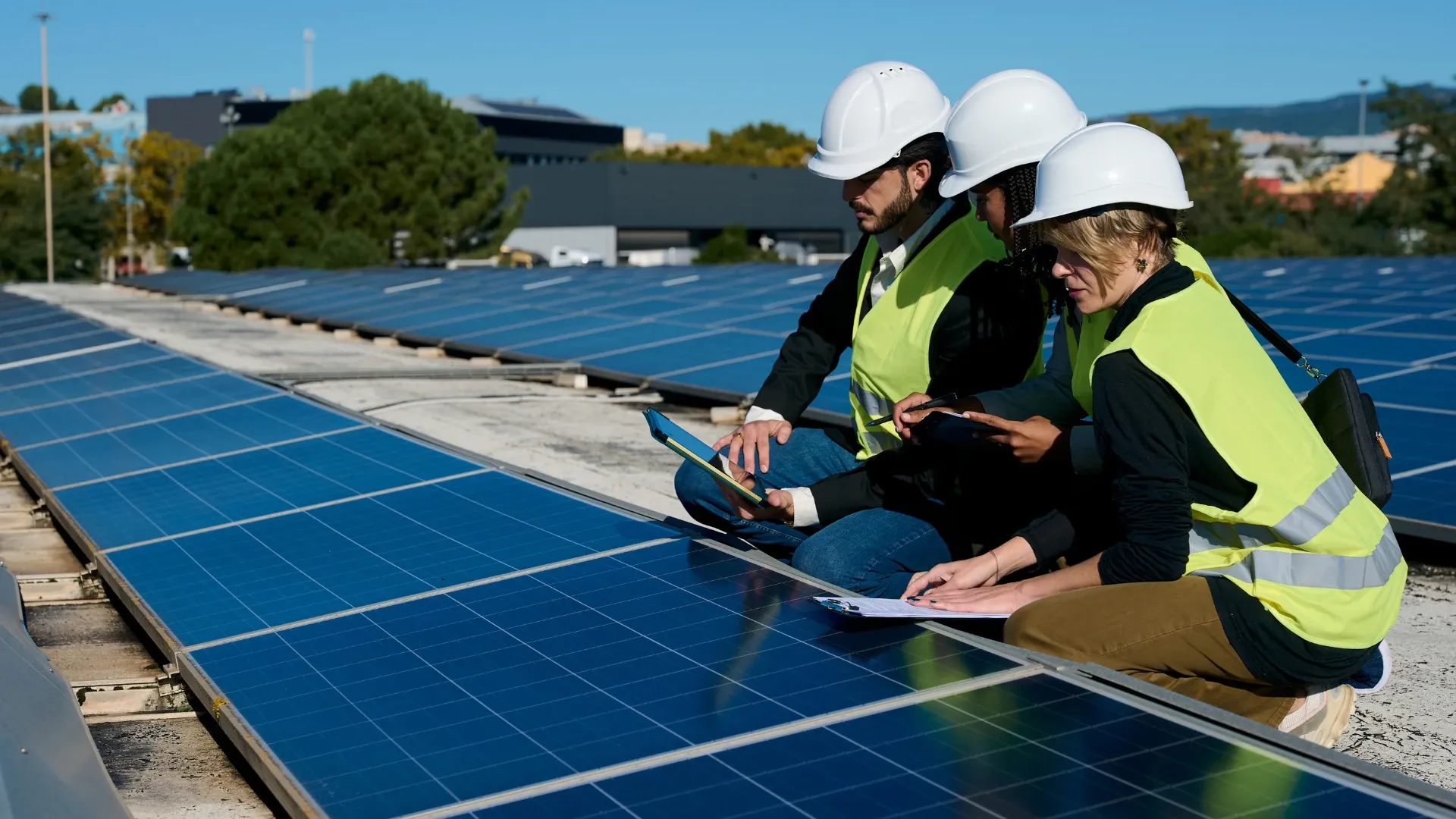
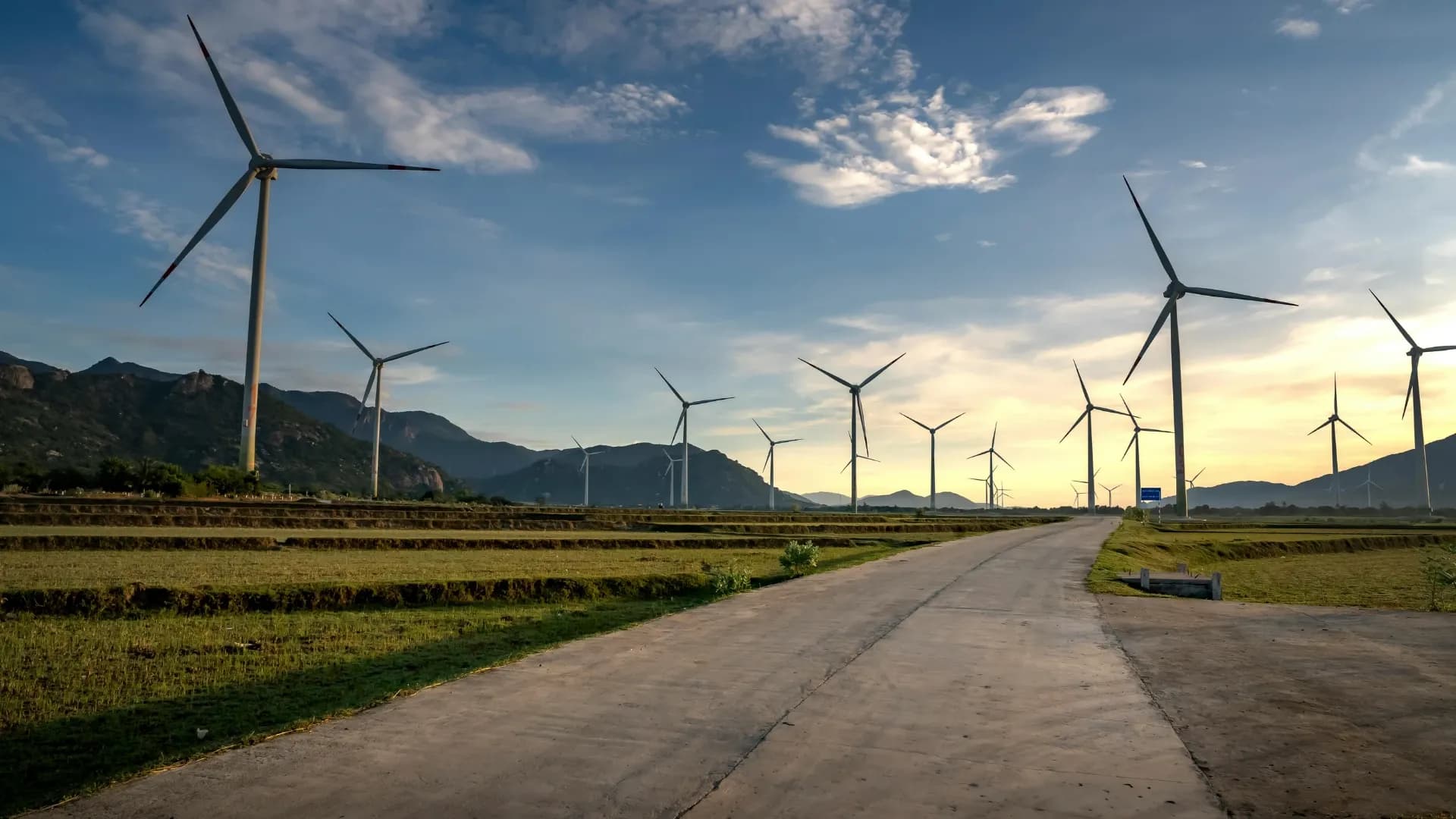
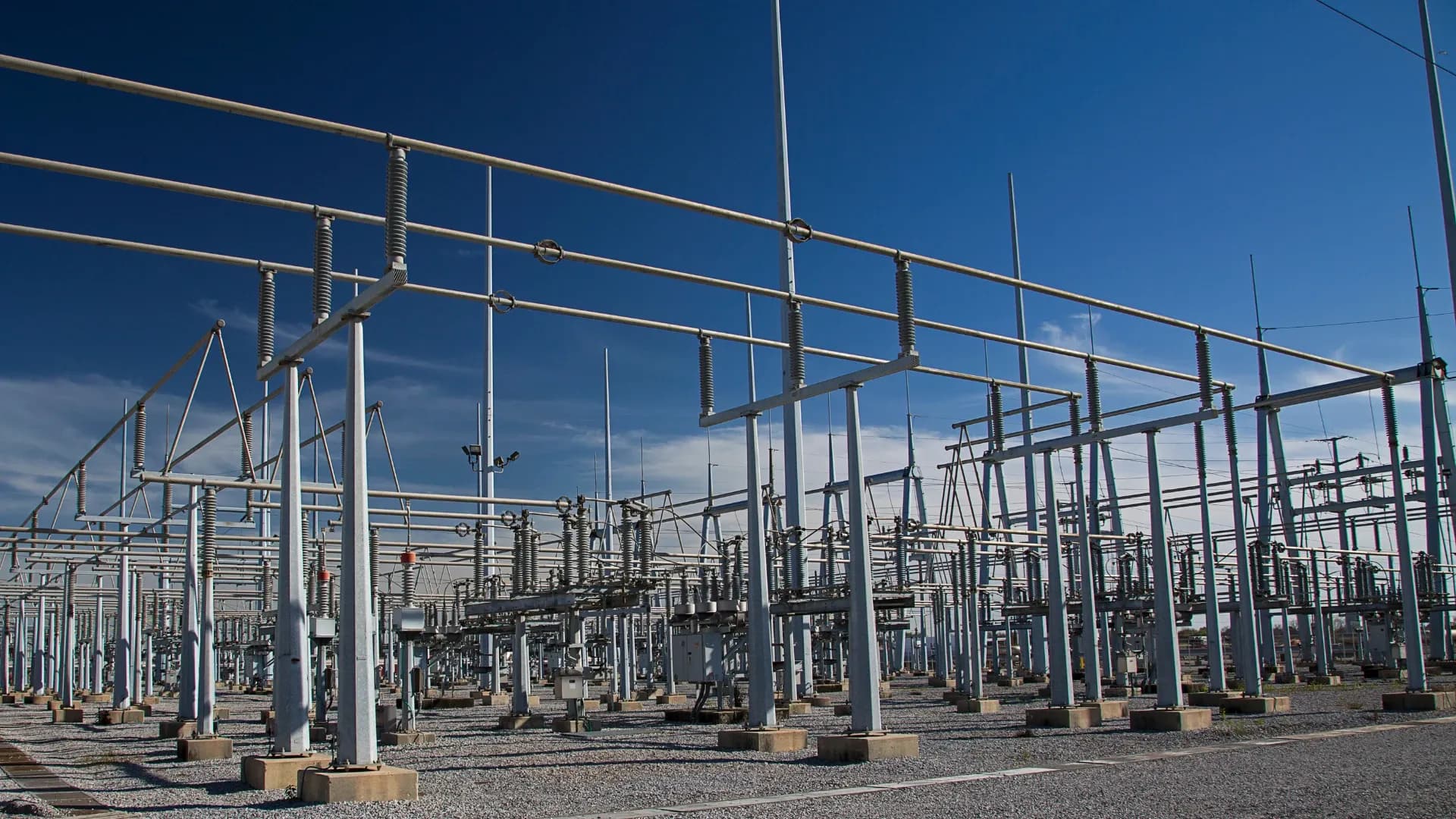
The region’s goal to transition towards clean energy has led to a rise in China’s investments in green-tech sectors. As part of Beijing’s ‘Green Belt and Road’ initiative, policy banks and state-owned enterprises (SOEs) have underwritten massive solar, wind, and hydroelectric projects across LatAm. Power grid construction is also part of this support for energy transition. Reports suggest that between 2010 and 2024, China has invested nearly $34 billion in 70 renewable energy projects in the region.
In conclusion, the growing ties between the LatAm countries and China prove that economic necessities supersede political leanings. Beijing has established itself as a vital, politically neutral alternative to Western investment by focusing on creative manufacturing, green technology, and renewable energy rather than basic resources. China understands the future and potential of green energy, and Latin America’s support is vital to its capitalisation of this plan. Therefore, while the world moves towards AI investments, these countries are quietly but simultaneously investing in a more sustainable alternative.