
Indonesia’s Nickel Empire Has a Carbon Problem: Can Its Battery Ambitions Really Go Green?
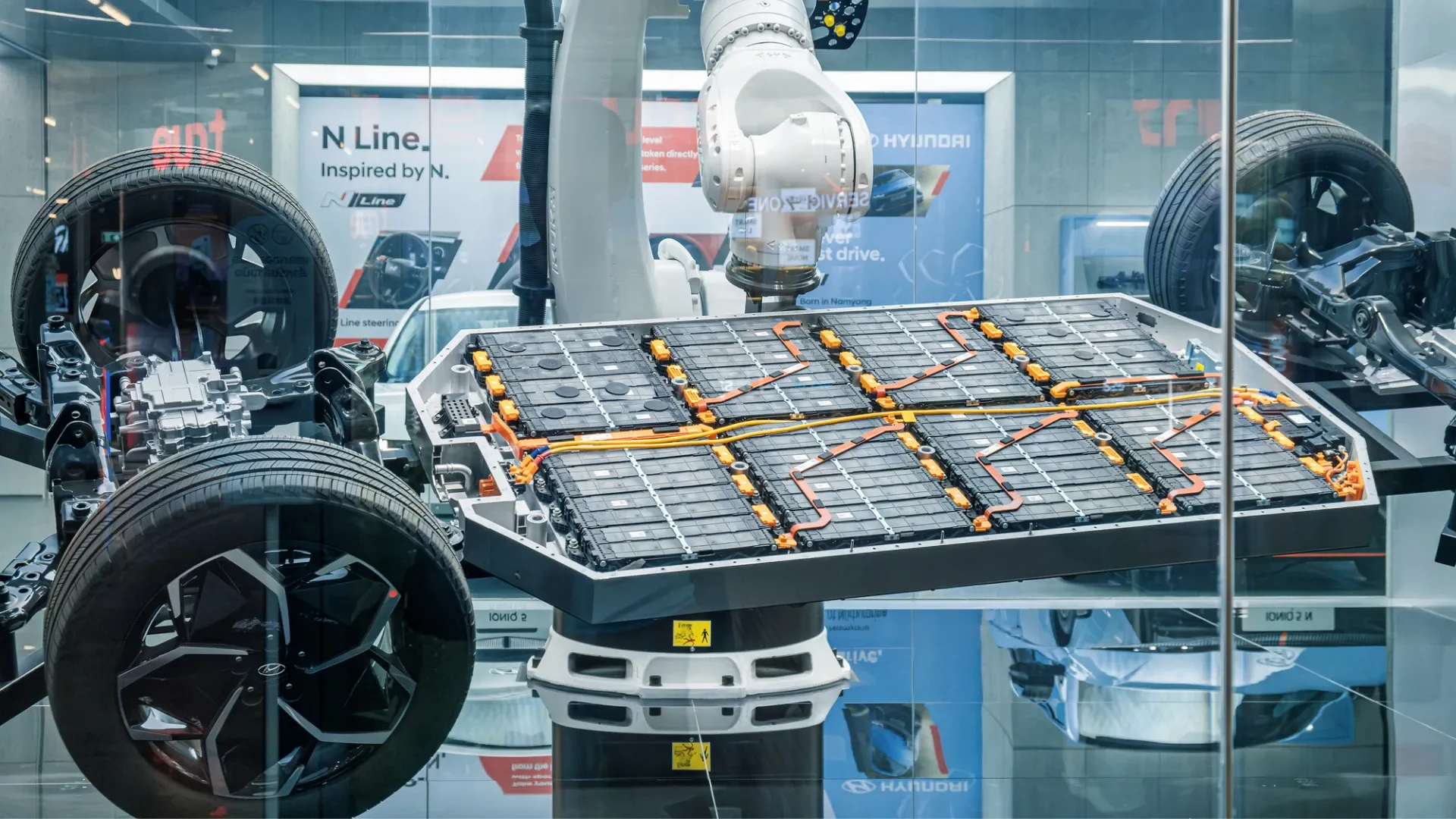

If Indonesia can connect its industrial strategy with genuinely low-carbon electricity, the country’s competitive position could become considerably stronger.
Indonesia has spent the past decade turning its vast nickel reserves into one of the most powerful positions in the global electric-vehicle supply chain. What was once largely an exporter of raw mineral ore is now an increasingly important centre for nickel refining, battery materials, stainless steel and electric-vehicle manufacturing. Yet the country now faces an uncomfortable question: can it build a battery industry for the clean-energy age while relying so heavily on one of the dirtiest forms of industrial power?
The stakes are enormous. Indonesia is responsible for roughly 60 per cent of global nickel production, according to the International Institute for Environment and Development, giving Jakarta an extraordinary degree of influence over a mineral that has become strategically important to modern battery technology. At the same time, the country’s downstream strategy has attracted billions of dollars in investment, bringing Chinese industrial groups, international battery companies and automotive manufacturers deeper into the Indonesian economy.
For Jakarta, the logic is straightforward. Rather than simply exporting nickel ore, Indonesia wants to capture more of the value created after extraction. Its export restrictions have encouraged investment in smelters and processing facilities, while the government is increasingly targeting battery cells and electric vehicles as the next stage of industrial development. By June 2026, Indonesian authorities were targeting as much as US$121 billion in investment for the country’s EV battery ambitions.
There is already evidence that the strategy is changing Indonesia’s industrial landscape. The country has developed a growing ecosystem covering mining, refining, precursor materials, battery manufacturing and electric-vehicle production. Indonesia‘s EV market has also expanded rapidly, with more than 340,000 electric vehicles on its roads by early 2026 and growth averaging more than 140 per cent annually over the previous five years, according to the International Institute for Sustainable Development.
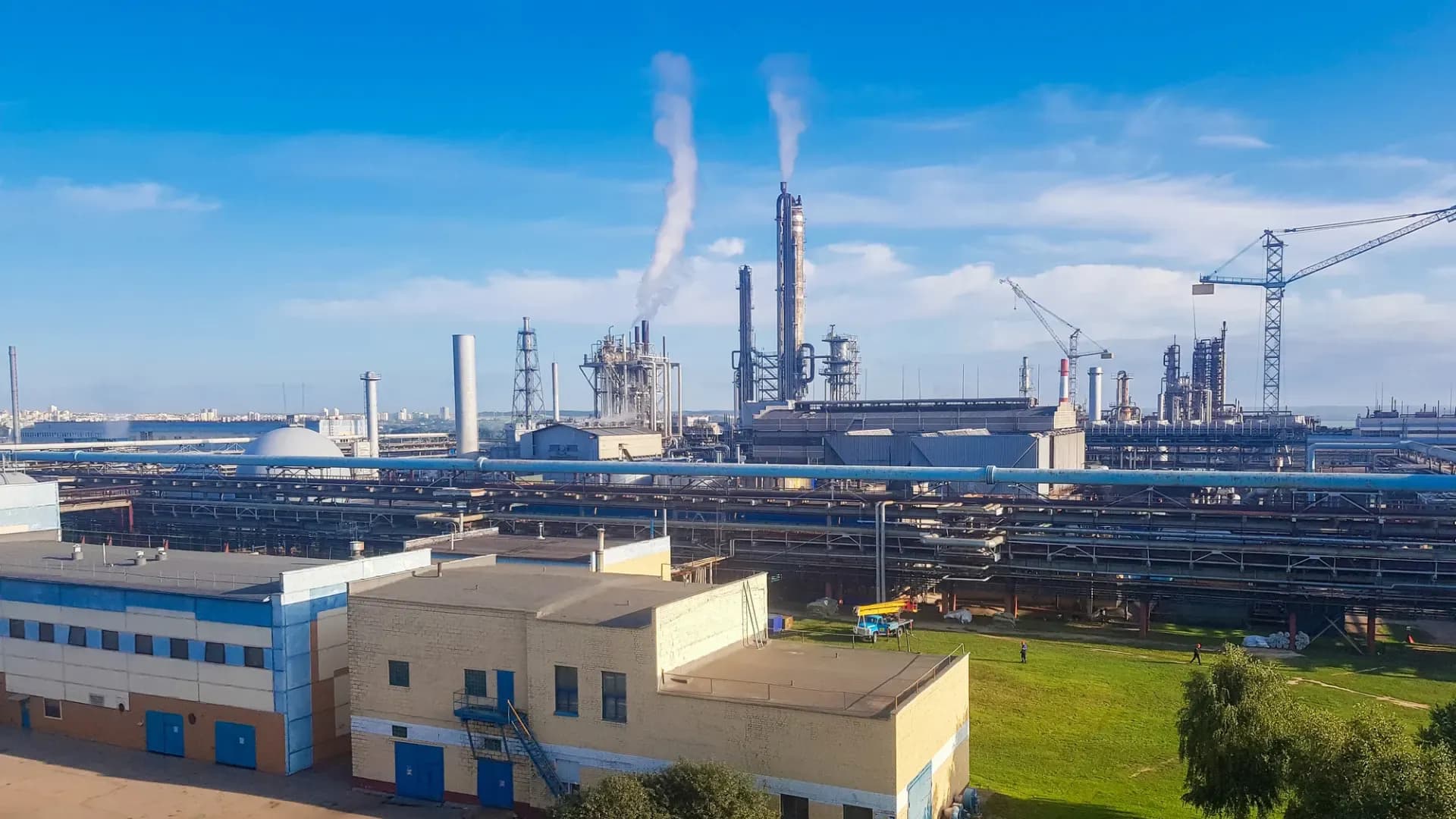
But beneath the impressive investment figures lies a fundamental contradiction. Much of the electricity supporting Indonesia’s nickel-processing boom comes from captive coal-fired power plants built specifically to supply industrial facilities. This is not a marginal issue. Data compiled by the Centre for Research on Energy and Clean Air and Global Energy Monitor indicates that Indonesia had around 19.3 gigawatts of installed captive coal capacity by July 2025. The nickel industry has been at the heart of this expansion, with captive coal capacity serving the sector rising sharply from 7.16GW in 2023 to 15.4GW in 2025.
That creates a striking paradox. The world wants more electric vehicles to reduce dependence on fossil fuels, yet some of the nickel entering those batteries is being processed using electricity generated from coal. In effect, a mineral critical to the green transition is being produced through an industrial system that remains deeply carbon-intensive. The problem is becoming more commercially important as well as environmental. Battery and automotive companies in Europe and elsewhere are facing increasingly demanding rules around carbon footprints, supply-chain transparency and traceability. The European Union’s Batteries Regulation, for example, introduces requirements covering carbon-footprint declarations and wider due-diligence obligations across the battery value chain.
For Indonesian producers, this could eventually turn emissions intensity into a competitive issue. A tonne of nickel may no longer be judged simply by its price, availability and chemical quality. Buyers could increasingly ask how that nickel was mined, how it was refined, what powered the refinery and whether the environmental impact can be independently verified. That matters because Indonesia is trying to move from being a resource supplier to becoming a strategic manufacturing hub. The country does not simply want to sell nickel; it wants to sell battery materials, batteries and eventually electric vehicles. The more sophisticated the product, the more important its environmental credentials become.
There is another complication. Indonesia’s nickel industry is not exclusively an EV story. Research published in April 2026 found that approximately 83 per cent of Indonesia’s 2025 nickel production was still absorbed by the stainless-steel sector, while only around 17 per cent entered the EV battery supply chain. This distinction is crucial because it shows that the country’s enormous nickel expansion cannot be justified entirely by the global electric-vehicle transition.
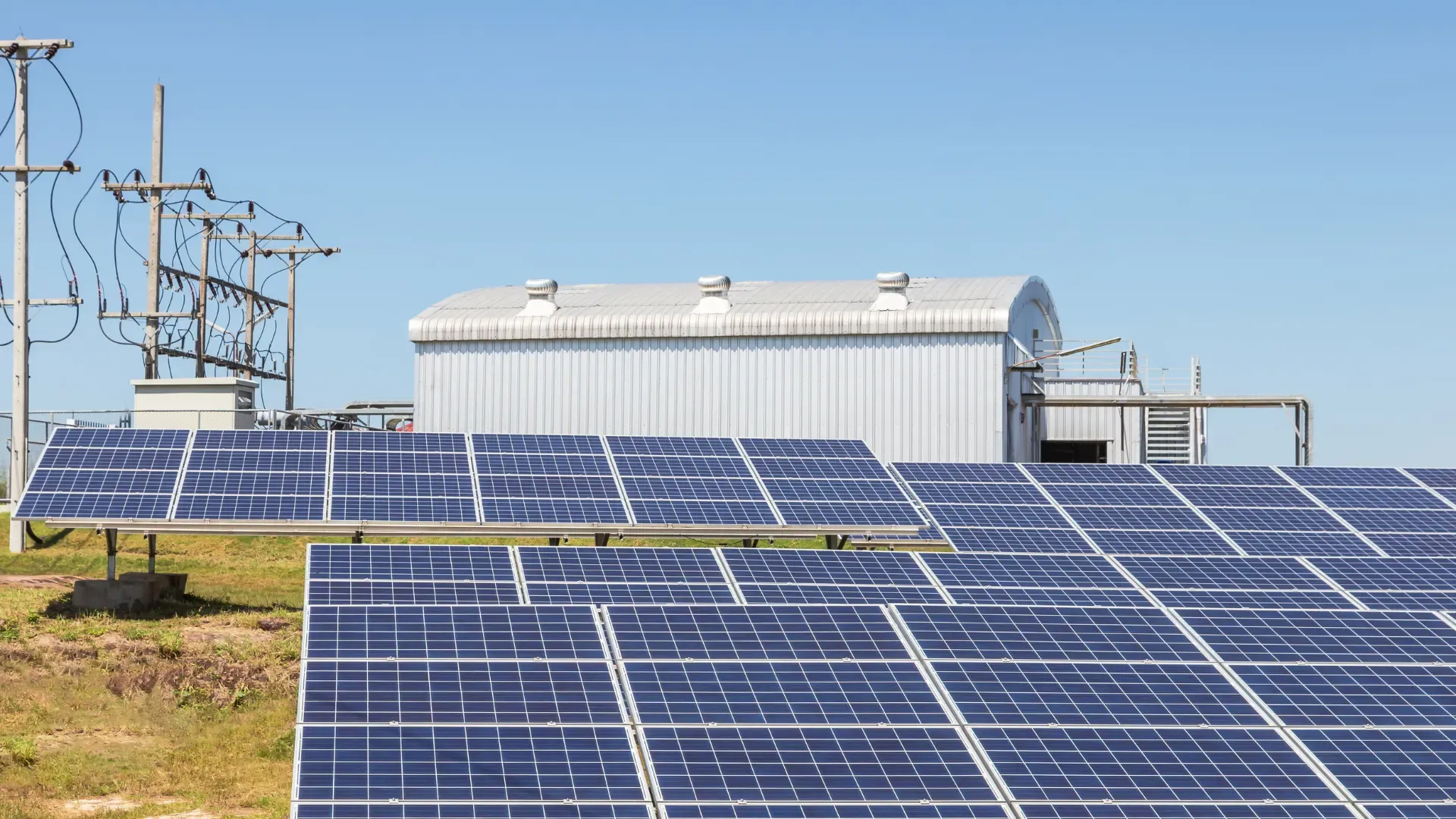
Indonesia’s challenge, therefore, is not simply to produce more nickel. It is to redesign the energy system surrounding nickel production. The opportunity is substantial. President Prabowo Subianto has recently backed an extraordinarily ambitious plan to install 100 gigawatts of solar power within three years. The Financial Times has described the proposal as a dramatic attempt to accelerate Indonesia’s clean-energy capacity, although major questions remain over financing, implementation and the continued expansion of fossil-fuel infrastructure.
If Indonesia can connect its industrial strategy with genuinely low-carbon electricity, the country’s competitive position could become considerably stronger. Renewable energy could allow producers to offer lower-emission nickel to international manufacturers that are increasingly concerned about the carbon content of their supply chains.
Yet replacing coal will not be easy. Nickel-processing facilities require enormous quantities of reliable electricity, and industrial operators are unlikely to accept power that is intermittent, expensive or unavailable at the scale required. Solar, therefore, cannot simply be added to the grid as a symbolic green investment. Indonesia will need transmission infrastructure, storage, firm renewable generation and carefully structured power contracts capable of supporting heavy industry around the clock.
Finance will be equally important. Reuters has noted that Western investors see an opportunity in Asia‘s mineral-processing industries but often struggle to find projects that meet institutional requirements for predictable power costs, credible offtake agreements, construction certainty and regulatory stability. That suggests Indonesia’s transition towards greener nickel will require more than government promises. It will require projects that investors can actually finance.
There is also a question of credibility. Indonesia’s extraordinary success in building downstream nickel capacity has been closely associated with Chinese investment and technology. Chinese companies remain deeply involved in the country’s nickel and battery ecosystem, while Beijing and Jakarta continue to strengthen cooperation in minerals, energy and technology. Chinese investment in Indonesia reached US$3.9 billion during the first half of 2026, according to Reuters.
This relationship has delivered speed and scale. But the next phase may demand something different: transparency, environmental performance and internationally recognised traceability. Global battery manufacturers will increasingly want to know not simply who owns a refinery, but how clean its production is. The economic consequences of getting this wrong could be significant. If Indonesia continues adding coal-powered processing capacity while global battery markets become progressively more carbon-conscious, it risks creating an industry that is technologically advanced but commercially vulnerable. Conversely, if it can decarbonise its industrial power supply, Indonesia could turn an environmental weakness into a competitive advantage.