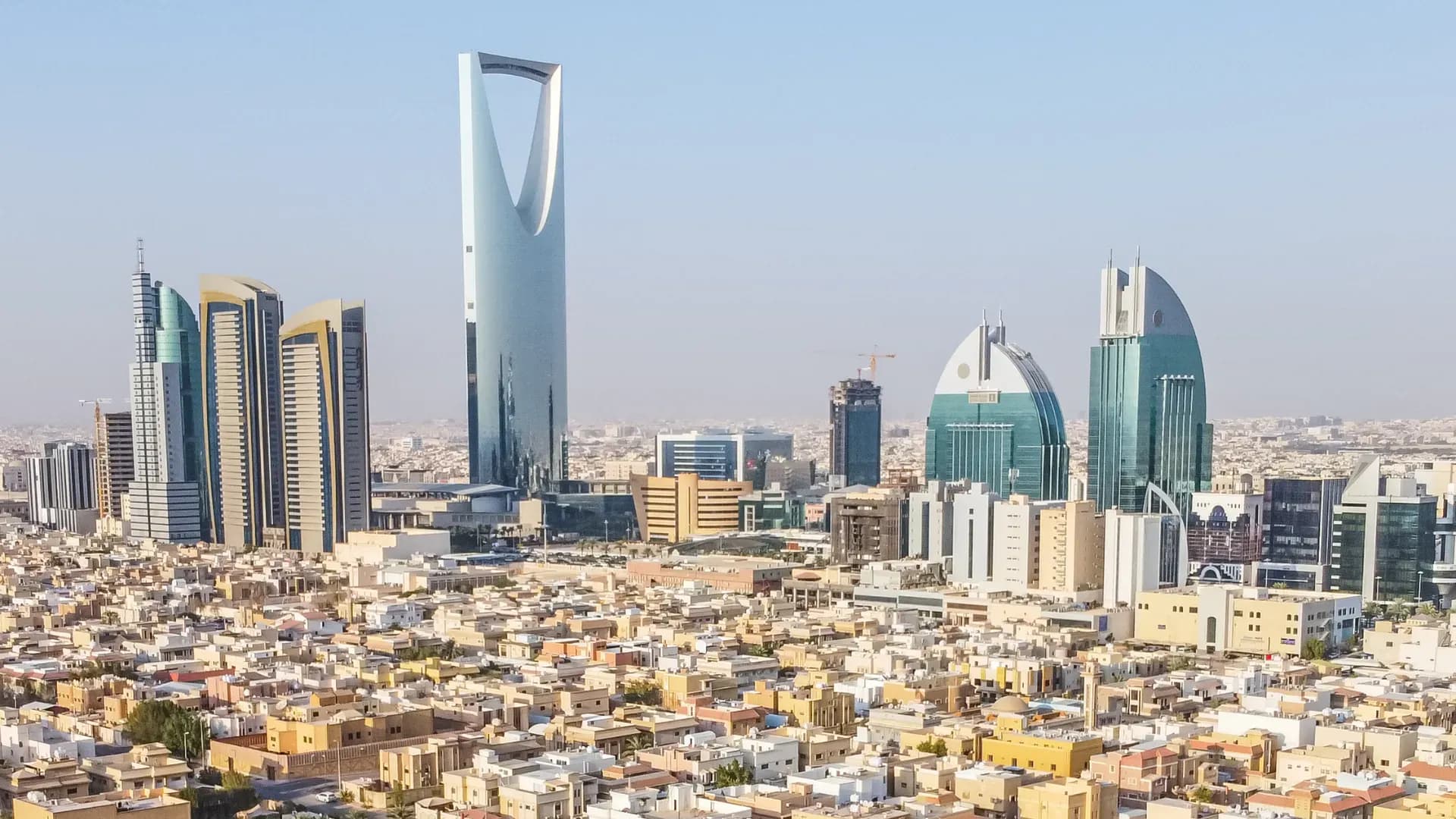

From Trade Hubs to Tech Titans: The Rise of GCC Free Zones
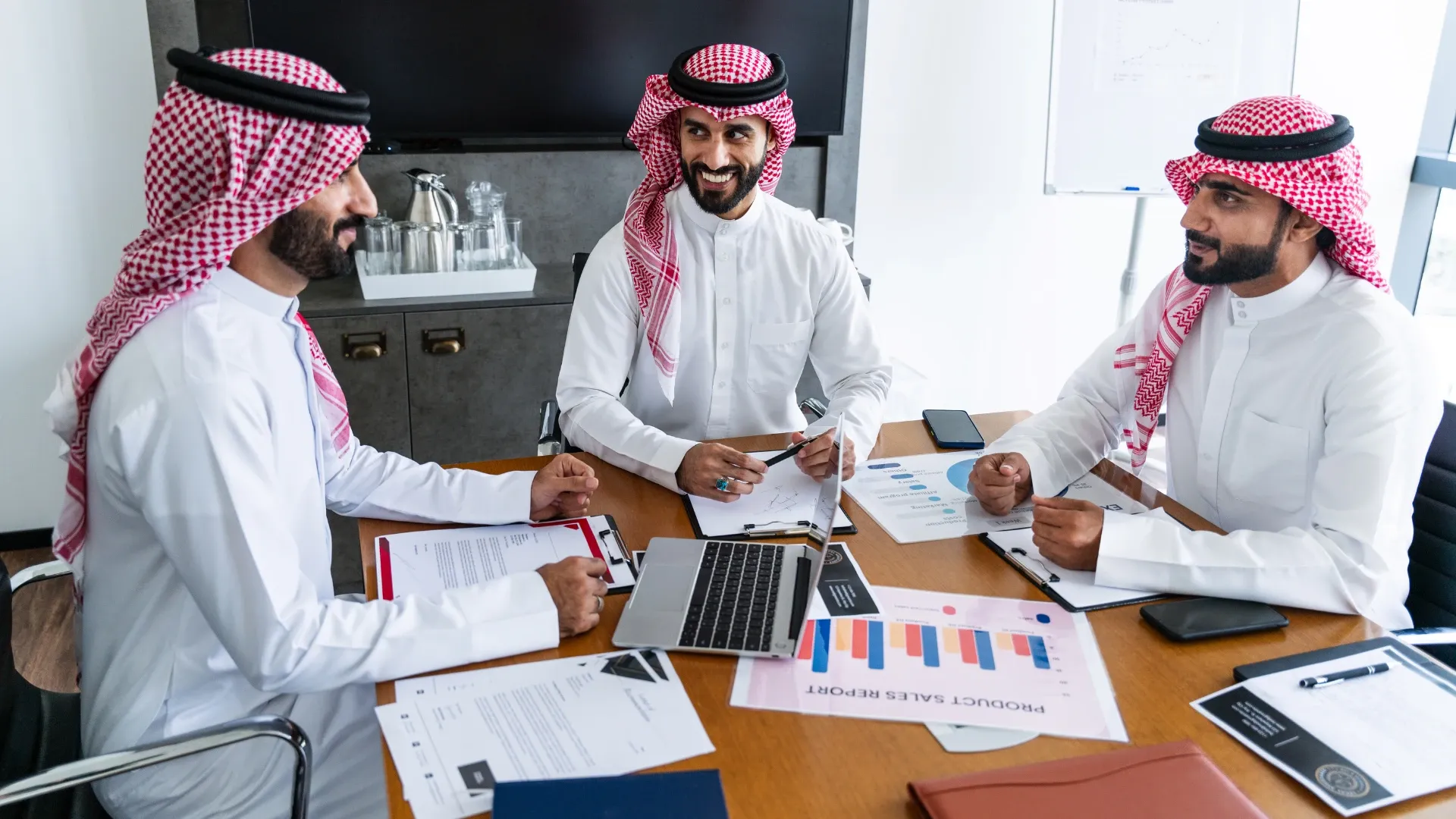

One of the strongest competitive advantages enjoyed by GCC free zones remains regulatory simplicity.
For decades, the Gulf Cooperation Council (GCC) built its economic reputation on oil exports, global trade and world-class infrastructure. Today, however, the region is pursuing a far more ambitious objective: becoming one of the world’s leading destinations for technology startups and innovation-driven businesses. At the centre of this transformation are the GCC’s rapidly evolving free zones, which have shifted from being simple business registration hubs into sophisticated ecosystems supporting entrepreneurship, venture capital, artificial intelligence and digital industries.
The question attracting increasing attention from global investors is no longer whether the Gulf can diversify beyond hydrocarbons. Instead, it is whether GCC free zones can genuinely challenge established startup capitals such as Silicon Valley, London, Singapore and Berlin over the coming decade.
The momentum behind this ambition is becoming increasingly difficult to ignore.
Across the United Arab Emirates, Saudi Arabia, Qatar, Bahrain and Oman, governments are investing billions of dollars into innovation, digital infrastructure and entrepreneur-friendly regulation. While free zones have existed for decades, their role has fundamentally changed. Previously designed to facilitate international trade through tax incentives and simplified customs procedures, they are now evolving into innovation districts where startups gain access to funding, accelerators, research partnerships and global markets.
The UAE continues to lead this transition. Dubai Multi Commodities Centre (DMCC), Dubai International Financial Centre (DIFC), Abu Dhabi Global Market (ADGM) and Hub71 have become internationally recognised innovation platforms rather than conventional business parks. These ecosystems provide founders with streamlined company formation, regulatory certainty, access to investors and programmes designed specifically for technology companies. Hub71 alone has attracted hundreds of startups since its launch while positioning Abu Dhabi as a regional technology hub.
Saudi Arabia is pursuing an equally ambitious strategy through Vision 2030. The Kingdom is encouraging entrepreneurs across fintech, artificial intelligence, biotechnology, logistics and clean energy while supporting innovation through major government-backed initiatives and investment funds. Rather than competing directly with the UAE, Saudi Arabia is building a complementary ecosystem centred around its large domestic market and significant public investment.
Meanwhile, Qatar is steadily strengthening its own startup credentials. Recent international assessments suggest the country is positioning itself as a launchpad for companies seeking expansion across the wider Gulf, supported by targeted innovation policies and technology-focused investment programmes.
One of the strongest competitive advantages enjoyed by GCC free zones remains regulatory simplicity. Entrepreneurs establishing businesses in many free zones benefit from full foreign ownership, simplified licensing procedures, attractive tax frameworks, straightforward visa processes and efficient digital government services. For international founders accustomed to navigating lengthy bureaucracy elsewhere, these advantages significantly reduce the time and cost required to launch a business.
However, regulatory efficiency alone is no longer sufficient to attract high-growth startups. Today’s entrepreneurs seek access to capital, customers, specialised talent and international partnerships.
This is where the Gulf’s strategy has evolved most dramatically.
Government-backed venture funds, sovereign wealth funds and private investors are increasingly deploying capital into technology businesses across sectors including fintech, healthtech, cybersecurity, climate technology and generative AI. Instead of merely encouraging company formation, policymakers are attempting to create complete startup ecosystems capable of supporting businesses from early-stage incubation through to international expansion.
Artificial intelligence has become a particularly significant growth driver.
The UAE has established itself as one of the world’s most proactive AI investors, while Saudi Arabia continues to expand digital infrastructure and AI-related initiatives as part of its long-term economic diversification strategy. These investments are creating demand for software developers, cloud providers, semiconductor companies, cybersecurity firms and AI startups that increasingly view the Gulf as a commercial opportunity rather than simply a regional sales market.
Another major strength lies in geography.
Few regions enjoy the strategic connectivity offered by the GCC. Situated between Europe, Asia and Africa, Gulf cities provide direct access to markets representing billions of consumers. Dubai, Abu Dhabi, Riyadh and Doha have become global aviation and logistics centres, allowing startups to scale internationally with relative ease. For founders targeting emerging markets across Africa, South Asia and the Middle East, the Gulf offers a practical operational base with excellent international connectivity.
The region is also witnessing increasing collaboration rather than isolated national competition.
Cross-border startup programmes, accelerator partnerships and innovation initiatives are gradually encouraging founders to view the GCC as one integrated opportunity instead of six separate markets. Programmes designed specifically to help startups expand across multiple Gulf economies reflect this growing regional mindset.
Despite these strengths, becoming the world’s next startup capital remains far from guaranteed.
Talent remains one of the most significant challenges.
While the GCC attracts highly skilled international professionals, long-term retention remains more difficult than in mature innovation centres. Silicon Valley, London and Singapore benefit from deep networks of experienced founders, serial entrepreneurs, university researchers and technical specialists developed over several decades. Although Gulf governments are investing heavily in education and research partnerships, cultivating comparable entrepreneurial depth will require sustained commitment over many years.
Access to later-stage venture capital also presents a hurdle.
Seed funding has expanded considerably across the region, but startups seeking very large growth rounds often continue to rely on international investors. Building a truly self-sustaining venture capital ecosystem capable of supporting companies from inception to global scale remains an ongoing priority.
Market fragmentation represents another obstacle.
Although the GCC shares many economic similarities, regulatory differences, licensing requirements and commercial practices still vary between countries. Greater harmonisation could significantly improve the ease with which startups expand throughout the region.
Competition is simultaneously intensifying worldwide.
Singapore continues strengthening its innovation ecosystem, Saudi Arabia is rapidly expanding domestic entrepreneurship, India is producing record numbers of unicorns, while European governments are increasing support for technology investment. The race to attract global founders has become increasingly competitive.
Nevertheless, the GCC possesses one unique advantage that many established startup hubs lack: the ability to align substantial government resources with long-term strategic planning.
Unlike many mature economies where innovation policy can shift with changing political priorities, Gulf governments have embedded entrepreneurship within broader national economic transformation programmes. Multi-billion-dollar commitments to artificial intelligence, digital infrastructure, sustainability, advanced manufacturing and financial technology suggest that startup development will remain a strategic priority for years to come.
Importantly, today’s free zones are no longer simply locations offering tax incentives. They are evolving into innovation communities where founders gain access to investors, mentors, multinational corporations, universities and government agencies within interconnected business ecosystems. This shift fundamentally changes how entrepreneurs evaluate the Gulf.
Instead of asking whether a free zone offers lower operating costs, founders increasingly consider whether it provides the relationships, funding and international opportunities needed to build globally competitive companies.
The next phase of growth will likely depend less on constructing additional free zones and more on strengthening the quality of the ecosystems already in place. Encouraging research commercialisation, expanding venture capital availability, nurturing local entrepreneurial talent and promoting cross-border collaboration will determine whether the Gulf produces not just more startups, but globally influential technology companies.
The transformation already underway suggests the GCC has progressed well beyond its traditional identity as a centre for trade and logistics. It is steadily positioning itself as a global innovation economy.
Whether GCC free zones ultimately become the world’s next startup capital will depend on their ability to convert exceptional infrastructure and ambitious policy into sustained entrepreneurial success. The foundations are certainly stronger than ever before. If governments continue refining regulation, attracting global talent and expanding access to investment, the Gulf may not simply participate in the next generation of global innovation-it could become one of its defining destinations.