
How AI Megafactories Are Turning Power, Land and Data Capacity into Strategic Assets

The European Union’s push towards AI Gigafactories, sometimes described as AI megafactories because of their anticipated industrial scale, could trigger a new competition between countries and regions seeking to host the infrastructure behind Europe’s digital future.
Europe’s race to become an artificial intelligence powerhouse is entering a far more physical phase. For years, the debate surrounding AI has focused largely on algorithms, talent, regulation and semiconductor technology. Now, however, the next battleground is becoming increasingly tangible: electricity, land and the enormous data-centre infrastructure required to train and operate the world’s most advanced AI systems.
The European Union’s push towards AI Gigafactories, sometimes described as AI megafactories because of their anticipated industrial scale, could trigger a new competition between countries and regions seeking to host the infrastructure behind Europe’s digital future. The question is no longer simply who can develop the most capable AI model. It is increasingly about who can secure enough power, suitable land, high-capacity networks and computing infrastructure to run it.
In July 2026, the European High Performance Computing Joint Undertaking formally launched its call for consortia to establish and operate future AI Gigafactories. The programme could support up to seven facilities across the European Union, with public funding intended to act as a catalyst for more than €20 billion in private investment. The scale of ambition is significant. These facilities are expected to combine huge volumes of advanced AI processors with cloud technology, high-speed connectivity, storage and energy-efficient data-centre infrastructure.
The initiative represents the next stage of Europe’s broader AI strategy. The continent already has 19 AI Factories under development across its supercomputing network, designed to provide researchers, start-ups, businesses and public institutions with access to AI-optimised computing resources. Yet Gigafactories are intended to operate on a different scale, supporting the development, training and large-scale inference of extremely large and complex AI models.
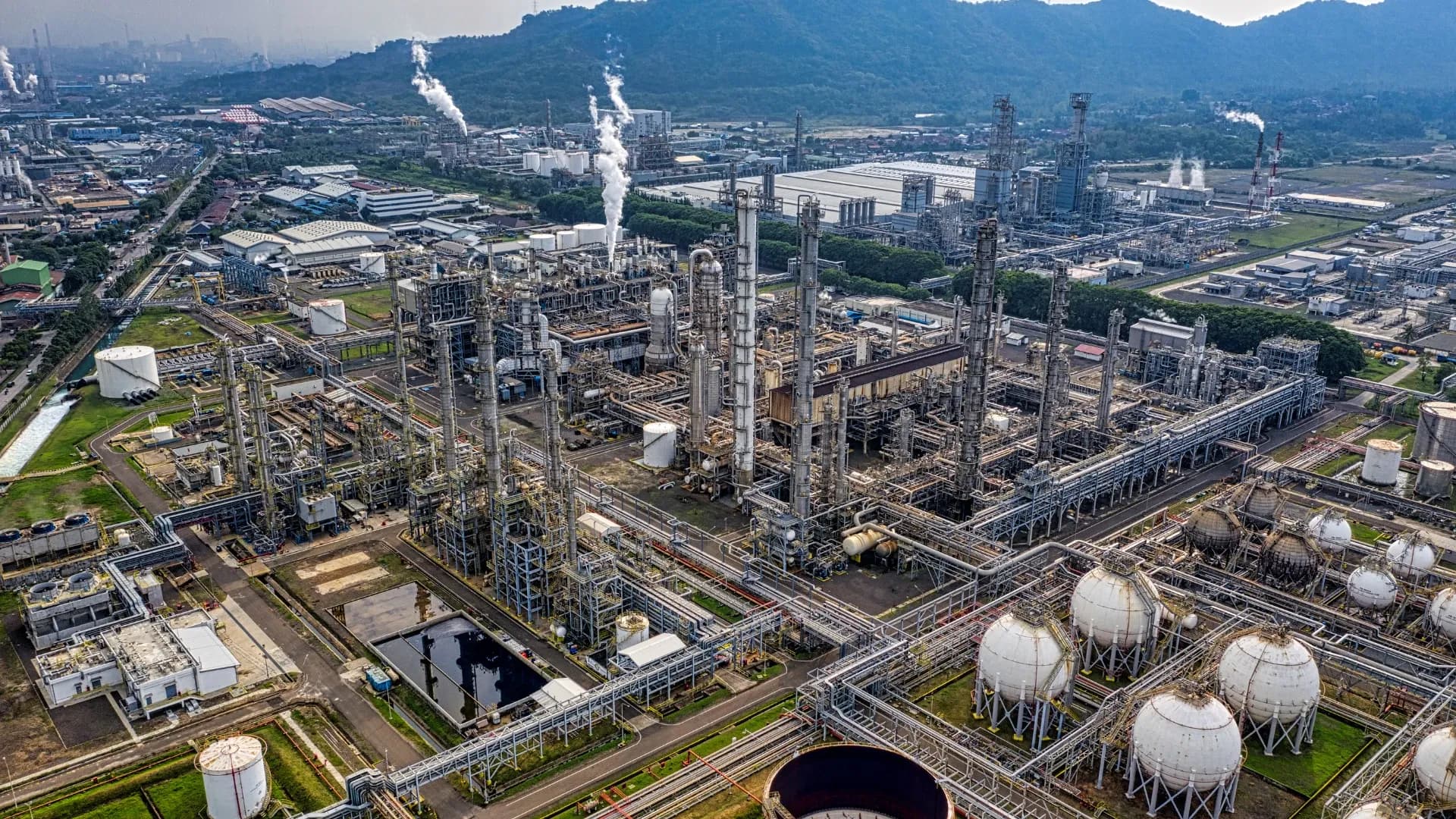
AI is often presented as a digital industry, but its expansion depends heavily on physical energy systems. Training frontier models and operating large-scale AI services require enormous quantities of computing power, and computing power ultimately requires electricity. The European Commission has made adequate power capacity a central consideration for future AI Gigafactories. Applicants are expected not only to demonstrate computing capability but also to show that their projects can secure sufficient electricity infrastructure while meeting standards relating to energy efficiency, water efficiency and circularity.
That requirement could place electricity availability at the centre of competition between potential host locations. Europe’s traditional data-centre hubs, including London, Frankfurt, Amsterdam, Paris and Dublin, possess many of the advantages that technology companies value. They offer established digital ecosystems, strong connectivity and proximity to customers. Yet several of these markets are also confronting increasingly serious constraints involving grid capacity, planning and land availability.
The result is already changing the geography of the European data-centre industry. Developers are looking beyond established metropolitan hubs towards regions where electricity connections can be obtained more quickly, land is cheaper and large-scale campuses can be developed with fewer restrictions. Reuters reported in August that the average location of new European data centre sites planned between 2026 and 2028 is expected to be substantially further from major cities than developments completed between 2022 and 2025. This shift could become even more pronounced if AI Gigafactories create demand for facilities on a scale that conventional data-centre planning was never designed to accommodate.
For property investors and infrastructure developers, the most valuable asset may increasingly be neither office space nor industrial buildings, but land with access to reliable electricity. In the AI economy, an attractive site is no longer simply one that is close to a major city or transport network. A location may become strategically valuable because a high-capacity grid connection is available, renewable generation is nearby or the surrounding infrastructure can support a major computing campus.
This is beginning to reshape the economics of data-centre development. Colliers reported in July 2026 that power availability, rather than demand alone, is increasingly determining where new capacity can be delivered across the EMEA market. Its analysis highlighted growing constraints in established hubs such as Frankfurt, London, Amsterdam, Paris and Dublin, where grid limitations, complex planning systems and scarce land are restricting expansion. For secondary and emerging markets, this creates an unexpected opportunity. Regions that were previously considered peripheral to Europe’s digital economy could become strategically important if they can offer abundant renewable energy, available land and faster connections to the grid.
France, the Nordic countries, parts of Central and Eastern Europe, and other regions with strong electricity resources may therefore find themselves competing for a new generation of AI infrastructure investment. The winners may not necessarily be the largest economies. They may be the countries and regions able to answer a much simpler question more effectively: where can the machines be powered? The growing importance of AI infrastructure is also changing how governments view data centres. Historically, data centres were often treated as specialist real-estate developments or technology assets. AI is pushing them closer to the status of strategic national infrastructure.
Europe’s AI Gigafactory programme reflects this shift. The initiative is closely connected to the EU’s ambition to strengthen technological sovereignty and reduce dependence on computing resources controlled outside Europe. The EU’s wider InvestAI initiative, launched in 2025, aims to mobilise €200 billion of investment in artificial intelligence, including dedicated support for AI Gigafactories. The strategic logic is clear. A country or region that lacks access to advanced computing infrastructure could become dependent on foreign cloud providers for critical AI capabilities. Conversely, nations capable of hosting sovereign, large-scale computing infrastructure may gain a stronger position in industries ranging from manufacturing and pharmaceuticals to defence, finance and scientific research.
This is why the competition for AI infrastructure could eventually resemble earlier European contests for semiconductor fabs, renewable-energy projects and industrial manufacturing investment. Governments may increasingly use subsidies, accelerated planning processes, energy agreements and infrastructure investment to attract AI campuses. But this competition could also expose a difficult contradiction: Europe wants to expand its digital capacity rapidly while simultaneously decarbonising its economy and protecting already-stressed electricity networks.
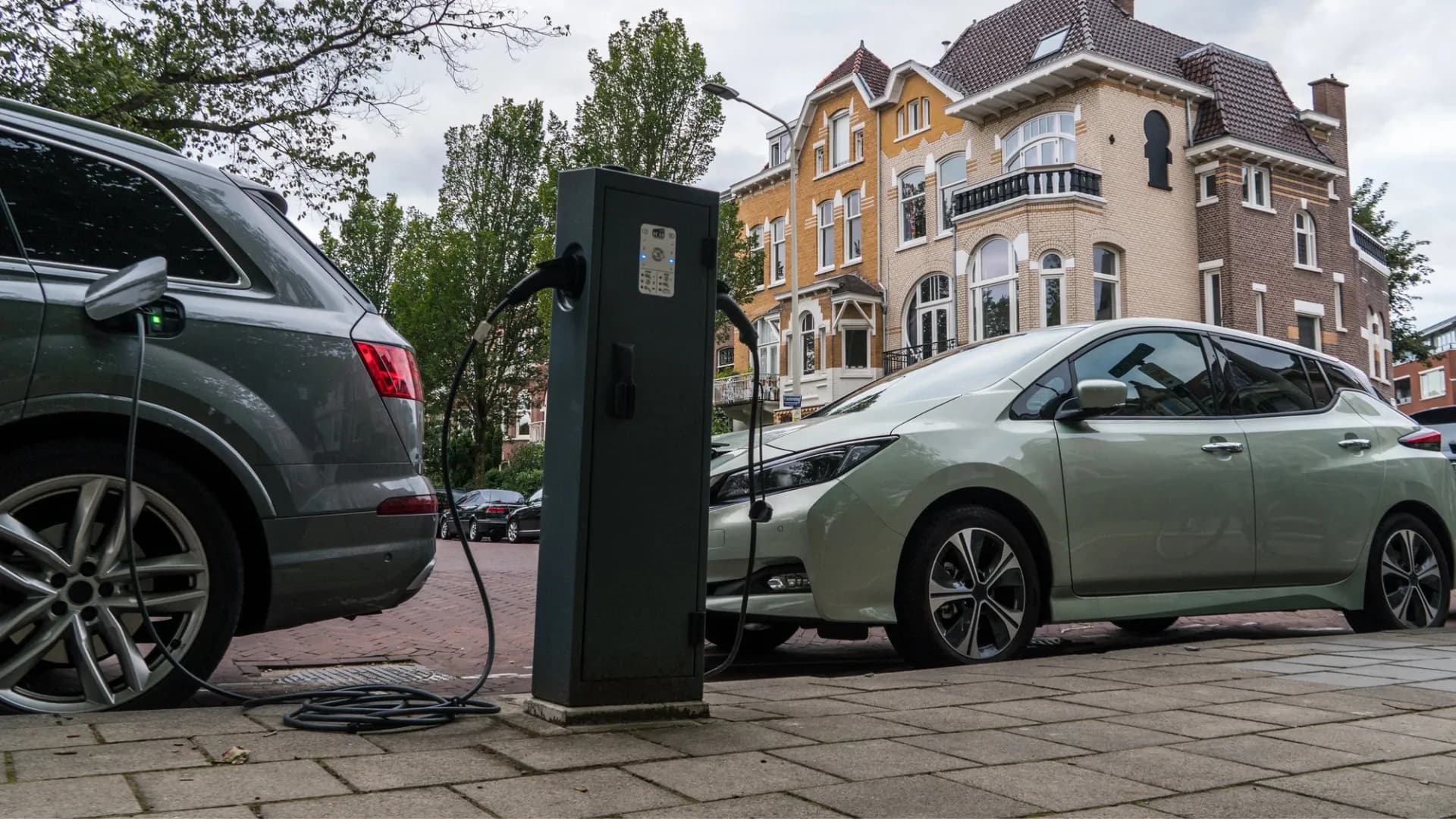
Europe’s electricity challenge is not limited to AI. Electrification of transport, heating and industry is placing growing demands on networks that were not built for such rapid changes in consumption. The Netherlands offers a warning about the consequences of grid congestion. Recent reporting has highlighted how constraints in the Dutch electricity network are affecting businesses, housing and other forms of development. Grid operator TenneT has announced major investment plans, but upgrading transmission infrastructure takes time, money and political coordination.
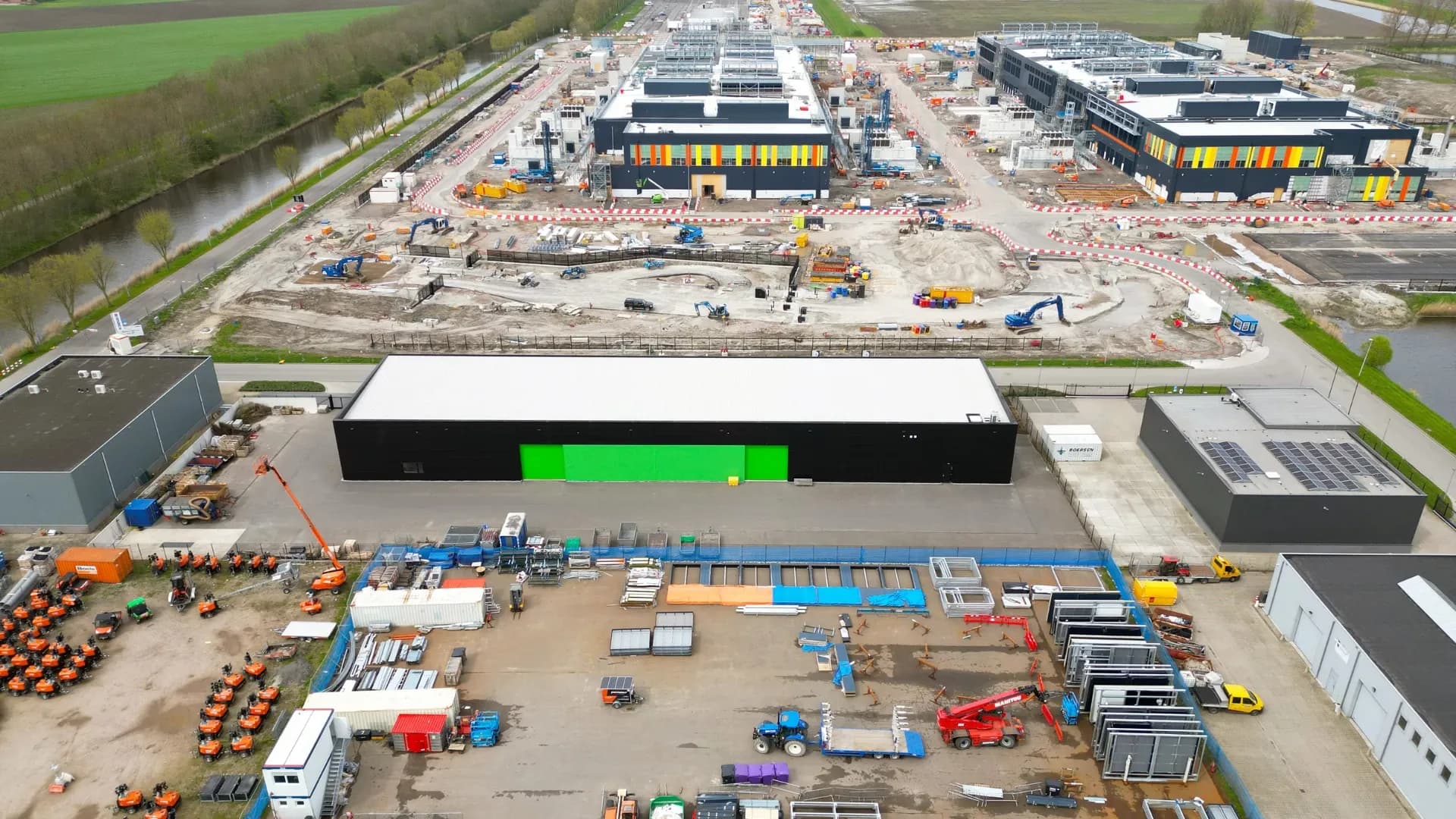
A major computing campus cannot simply be placed anywhere that cheap land is available. It requires substantial and reliable power, robust fibre connectivity, cooling systems and long-term operational certainty. In some regions, securing these requirements may take years. This creates a new hierarchy of digital competitiveness. Countries with abundant electricity generation but slow permitting processes may struggle to capitalise. Others may possess strong technology ecosystems but lack sufficient grid capacity. The most successful locations will be those capable of bringing together energy policy, land planning, telecommunications and industrial strategy.