
US Government Takes 35% Stake In Venezuela’s Oil Amid Controversial Energy Deal

In late August, the country’s interim President Delcy Rodriguez said that an energy agreement with the White House would remain effective for 25 years.
The US government has bought a 35% passive stake in Venezuelan businessman Alejandro Betancourt’s North American Blue Energy Partners. It plans to obtain preferential rights to purchase 20% of the company’s production at cost. According to the Wall Street Journal, the Pentagon’s Office of Strategic Capital has decided to structure the investment through penny warrants, which would give the government an equity partnership in the company without significant capital investment.
This news broke a day after the Trump administration announced that it would take control of one-fifth of Venezuela’s vast oil reserves. President Trump did not reveal any further details on the subject, saying only that the US had acquired majority control over 65 billion barrels of oil reserves in Venezuela through a private business partnership.
In late August, the country’s interim President Delcy Rodriguez said that an energy agreement with the White House would remain effective for 25 years. Such a treaty would also ensure that the target crude output is increased to 1.5 million barrels per day (bpd) and help maintain Venezuela’s sovereignty over its natural resources. Rodriguez described the deal as historic and affirmed that it would help transform the country’s economy and increase government revenue.
Increasing crude output to 1.5 million bpd is only the initial goal, and the treaty also includes the development of eight greenfield oil blocks, as part of the broader plan to expand the Venezuelan energy sector. From Trump’s perspective, the US taking control of Venezuela’s oil resources will help revive its energy sector and also provide a new source of crude to help lower US fuel prices.
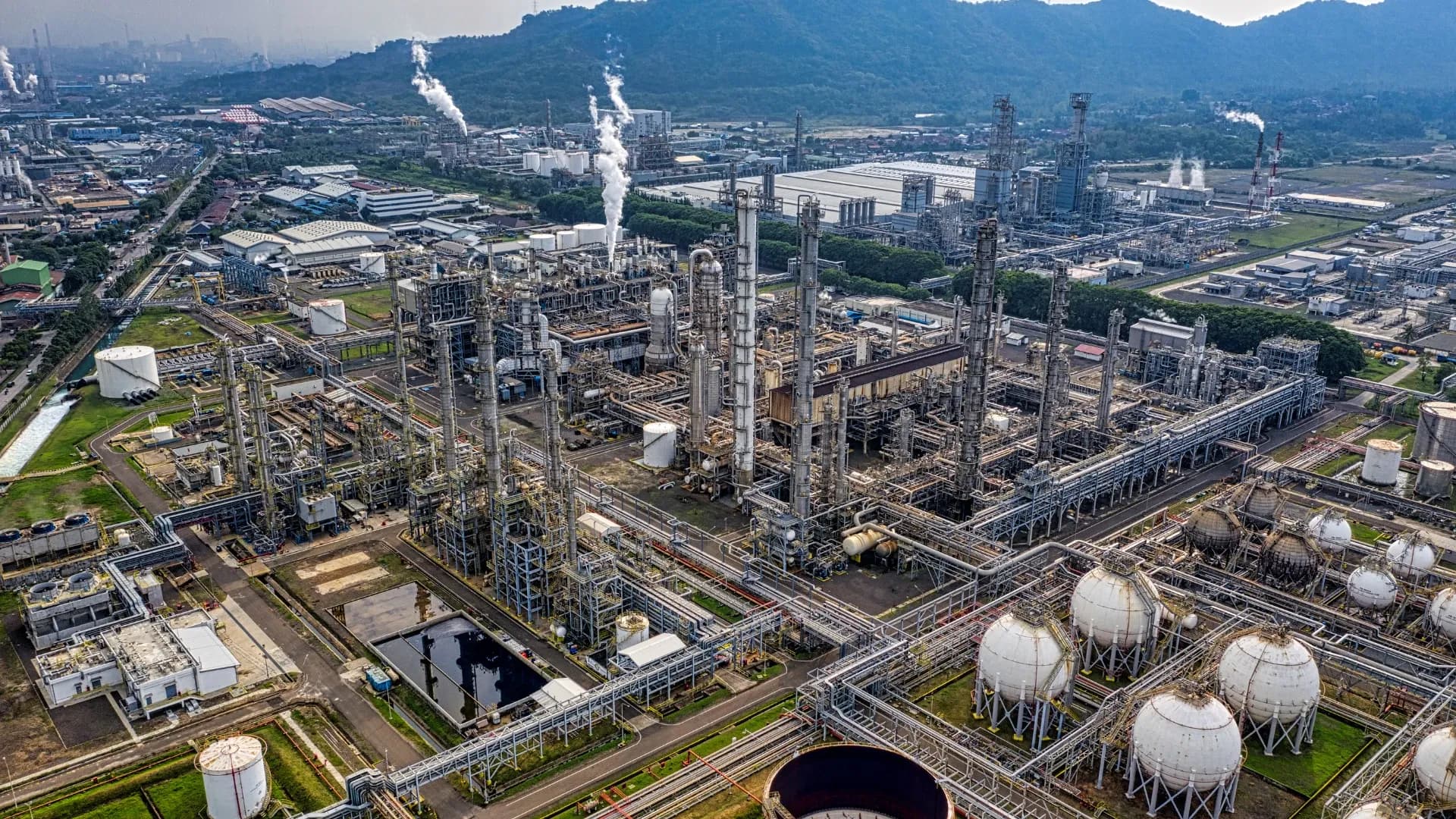
The Venezuelan government has been accused of mismanaging the country’s oil sector for too long, producing only about 1.25 million bpd, far below its potential. It has suffered from years of underinvestment and sanctions despite having the world’s largest proven oil reserves.
Rodriguez said that the agreement could generate roughly $209 billion in revenue, provided the benchmark oil price was $65 a barrel, not discounting fluctuating oil prices. She explained that nearly $19 from every barrel produced and sold as part of this agreement with the US would go directly to Venezuela, boosting the economy.
Although many international policy researchers have criticised the deal for compromising sovereignty and national interest, Rodriguez has maintained that this energy deal ensures that Venezuela retains sovereignty over its natural resources and leverages capital and technology to revive the economy and the country’s oil sector.
Some political commentators have also noted that the oil deal will be a gateway for US companies, investors and eventually the government to develop an economic interest in Venezuela, under the stable leadership of Rodriguez. As more US-headquartered companies invest in the Latin American country, the White House could also shift its policy from favouring ‘transition with stability’ to ‘stability that preserves the option of transition.’
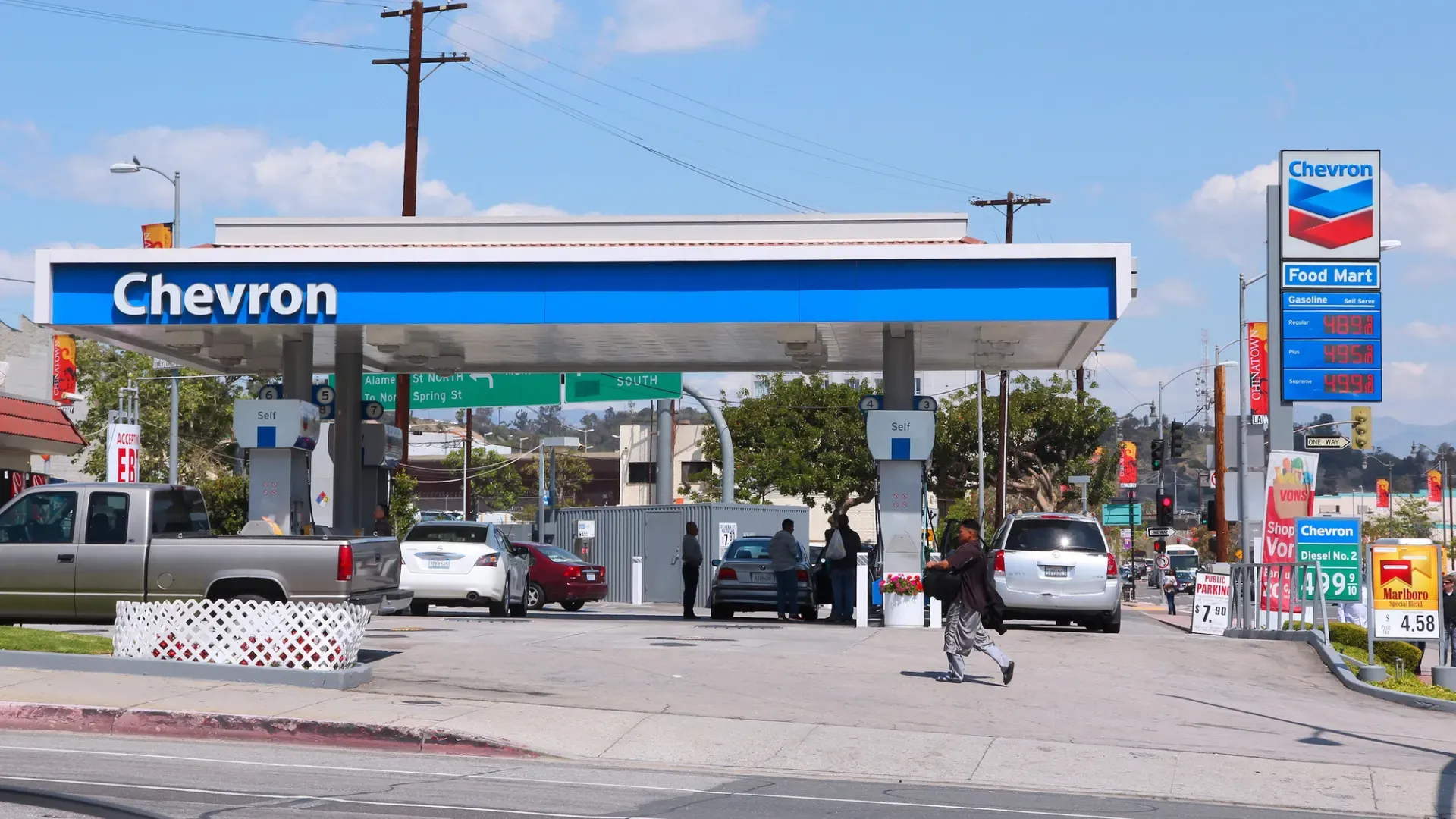
Chevron is one of the companies in talks with Venezuela regarding a joint venture. The agreement is likely to include an asset swap which will allow its Petropiar heavy crude project to expand to the neighbouring Ayacucho 8 block. The Petropiar project is Chevron’s largest in Venezuela. No official announcement has been made by the company or the Venezuelan government yet.
In Venezuela, however, the opposition leader Maria Corina Machado and her supporters are already questioning whether such a deal would survive any future political transition, describing it as an invalid treaty. Opposition leaders are vehemently opposing this deal with Trump, saying it gives away the country’s natural resources to foreign powers, depriving the people of Venezuela the autonomy over their resources.