
The Gathering El Nino Storm: How a Climate Phenomenon Is Testing Global Food Security and Supply Chains


The Food and Agriculture Organization (FAO) has already identified several agricultural hotspots where drought conditions linked to El Nino are likely to affect crops, pasturelands and rural livelihoods.
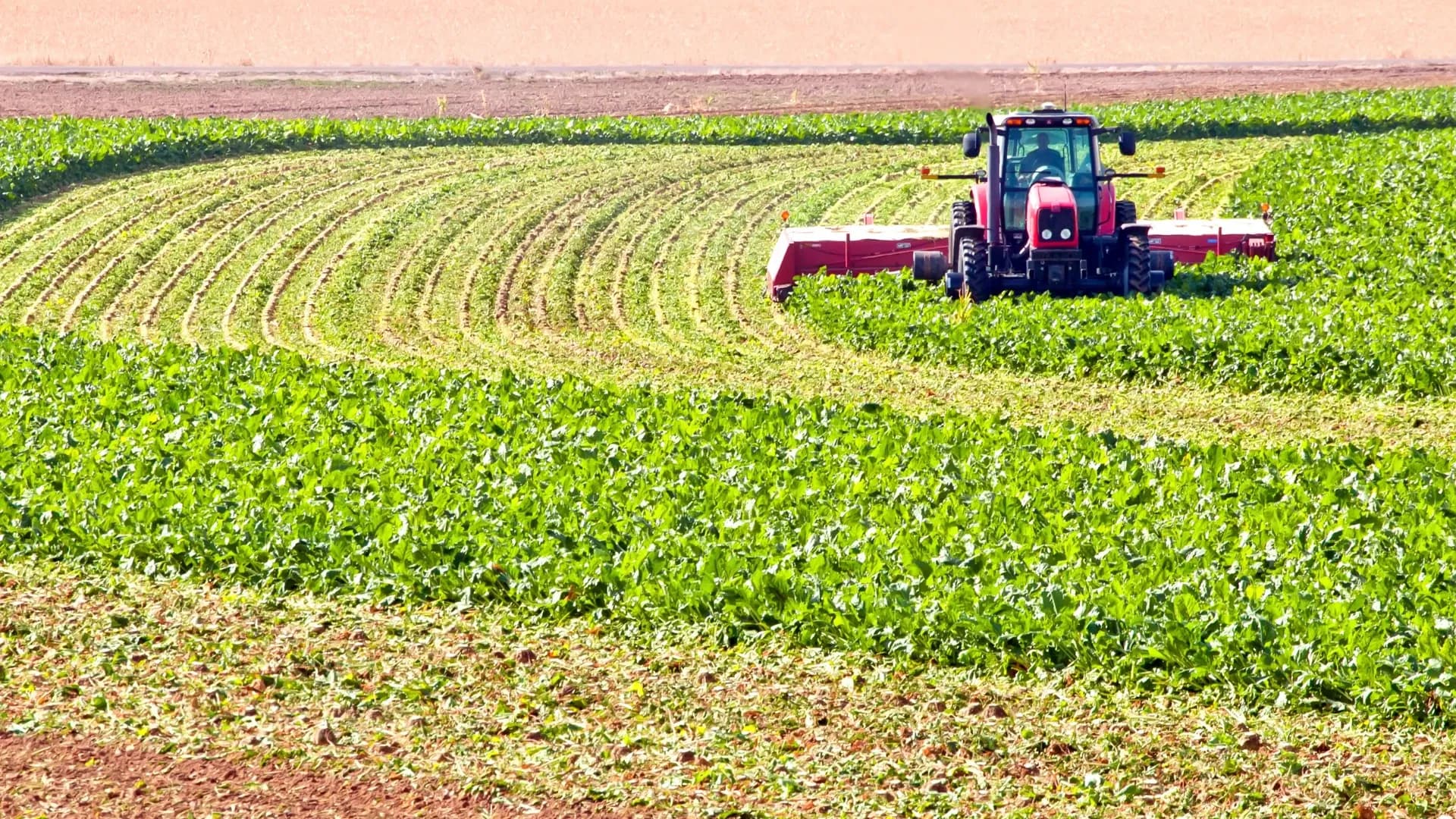
The global food industry is once again bracing for disruption as meteorologists, agricultural analysts and international organisations warn that a potentially powerful El Niño event could reshape agricultural production, trade flows and food prices over the coming year. What was once considered a periodic weather phenomenon is increasingly being viewed as a significant economic risk, capable of sending shockwaves through supply chains that stretch from farms and fertiliser plants to supermarket shelves and dining tables.
Recent forecasts from the World Meteorological Organization (WMO) indicate a strong likelihood that El Nino conditions will develop and strengthen through the second half of 2026. Experts warn that the event could intensify droughts, floods, heatwaves and rainfall extremes across multiple continents, placing food production systems under considerable pressure.
For businesses operating within agriculture, food processing, logistics and retail, the implications extend far beyond weather forecasts. The emerging concern is that El Nino may trigger a chain reaction of supply shortages, rising production costs and renewed food inflation at a time when global economies are still navigating geopolitical tensions and fragile trade conditions.
At the heart of the issue is agriculture’s dependence on predictable climate patterns. El Nino alters ocean temperatures in the Pacific, which in turn influences rainfall and temperature conditions across major food-producing regions. Southeast Asia, Australia, Southern Africa and parts of South America are among the areas most exposed to severe weather disruptions during strong El Niño episodes.
The Food and Agriculture Organization (FAO) has already identified several agricultural hotspots where drought conditions linked to El Nino are likely to affect crops, pasturelands and rural livelihoods. Regions already facing food insecurity are expected to be particularly vulnerable, raising concerns that climate-related shocks could deepen existing humanitarian challenges.
Commodity markets are watching developments closely. Tropical crops such as coffee, cocoa and sugar have historically shown heightened sensitivity to El Nino conditions. Analysts note that previous strong El Nino events have contributed to lower yields, quality deterioration and significant price volatility. In 2026, concerns are once again emerging over coffee production in Vietnam and Indonesia, cocoa output in West Africa and sugar harvests across key producing nations.
The risk is not limited to speciality commodities. Staple crops including wheat, rice, maize and soybeans form the backbone of global food security, collectively providing the majority of calories consumed worldwide. Climate researchers warn that a strong El Nino can create simultaneous weather disruptions across several agricultural regions, increasing the possibility of correlated crop failures rather than isolated local shortages. Such a scenario would place substantial upward pressure on global food prices.
Food manufacturers and retailers remain particularly sensitive to these developments because modern supply chains operate across multiple countries and depend heavily on predictable harvest cycles. Even a modest reduction in crop yields can affect processing schedules, transportation networks and inventory planning. The result is often a cascading effect in which shortages of raw agricultural inputs lead to higher costs throughout the supply chain.
One growing concern involves fertiliser availability. Agricultural productivity relies heavily on fertiliser applications, yet global fertiliser markets remain vulnerable to geopolitical disruptions and energy market volatility. Analysts have warned that climate-related agricultural stress combined with fertiliser supply constraints could create a difficult operating environment for farmers attempting to maintain yields amid worsening weather conditions.
The situation is especially challenging in Asia-Pacific economies, where rice remains a critical staple food. Countries including Thailand, Indonesia and the Philippines face elevated drought risks during El Nino events. Reduced rice production in these regions would not only affect domestic food supplies but could also influence international trade balances and import requirements across neighbouring markets.
International agencies are already preparing for potential humanitarian consequences. The FAO and the World Food Programme recently launched an appeal seeking more than $200 million to protect vulnerable populations across 22 high-risk countries. The agencies estimate that nearly 8.8 million people could require support as extreme weather conditions threaten food production, livelihoods and access to basic nutrition.
Yet the outlook is not entirely pessimistic. Compared with previous El Nino cycles, governments and agricultural industries enter this period with greater awareness, stronger forecasting capabilities and larger strategic reserves. According to recent assessments, global inventories of key crops such as wheat, rice, corn and soybeans remain relatively robust. These stockpiles may help cushion immediate supply shocks and prevent the most severe market disruptions.
Several major agricultural producers have also invested in drought-resistant crop varieties, improved irrigation infrastructure and climate-monitoring technologies. Such measures have enhanced resilience in some regions, reducing vulnerability to weather-related production losses. Early planting strategies and improved water management systems are expected to play an important role in mitigating the effects of adverse weather conditions.
Nevertheless, experts caution that inventories alone cannot eliminate risk. Food markets today are deeply interconnected, and disruptions in one region frequently spill over into others. Trade restrictions, export bans or panic-driven policy responses could amplify supply pressures even when global inventories remain adequate. Maintaining open trade channels and transparent market communication will therefore be essential in preventing unnecessary volatility.
The broader economic implications are equally significant. Food inflation remains a politically sensitive issue in many countries, particularly after recent years of elevated living costs. Any sustained increase in agricultural commodity prices could place renewed pressure on household budgets, central bank policy decisions and government support programmes. Businesses across food manufacturing, hospitality and retail sectors would also face difficult choices regarding pricing and margin management.
Climate experts increasingly argue that El Nino should not be viewed as a temporary disruption but as part of a wider pattern of climate-related risks confronting global supply chains. Rising global temperatures, extreme weather events and environmental degradation are making agricultural systems more vulnerable to shocks. As a result, resilience is becoming a strategic business priority rather than simply an environmental consideration.
For investors, food producers and policymakers, the developing El Niño serves as a reminder that climate volatility is now a material economic factor. The resilience of agricultural supply chains will depend not only on weather forecasts but also on investments in technology, infrastructure, trade cooperation and sustainable farming practices.
As the second half of 2026 approaches, the world faces a critical test. If forecasts prove accurate, El Niño could expose weaknesses in food production systems and supply networks across multiple continents. However, it may also demonstrate whether lessons learned from previous crises have strengthened the global food system’s ability to withstand climate-driven shocks.
The months ahead will reveal whether preparedness and innovation can offset nature’s growing unpredictability-or whether food security will once again emerge as one of the defining economic challenges of the year.