
Climate and Water Security Become the GCC’s Next Trillion-Dollar Investment Theme


The GCC is now positioning itself as a global hub for clean energy, sustainable water systems and climate technologies, creating a business opportunity that many analysts increasingly describe as the region’s next trillion-dollar investment cycle.
The Gulf Cooperation Council is entering a new economic chapter in which climate resilience and water security are no longer treated as environmental obligations, but as strategic investment sectors capable of reshaping the region’s future. Across Saudi Arabia, the United Arab Emirates, Qatar and Oman, governments are deploying hundreds of billions of dollars into desalination, green hydrogen, carbon capture, desert agriculture and climate-resilient infrastructure as they seek to future-proof economies that have historically depended on hydrocarbons.
What was once considered a defensive response to climate pressure is rapidly evolving into one of the world’s most ambitious industrial transformations. The GCC is now positioning itself as a global hub for clean energy, sustainable water systems and climate technologies, creating a business opportunity that many analysts increasingly describe as the region’s next trillion-dollar investment cycle.
Saudi Arabia sits at the centre of this transformation. Under Vision 2030 and the Saudi Green Initiative, the Kingdom is pursuing one of the largest environmental diversification programmes ever attempted by an oil-producing nation. Riyadh’s strategy is not simply about lowering emissions; it is about building entirely new industries around water, energy transition and climate adaptation.
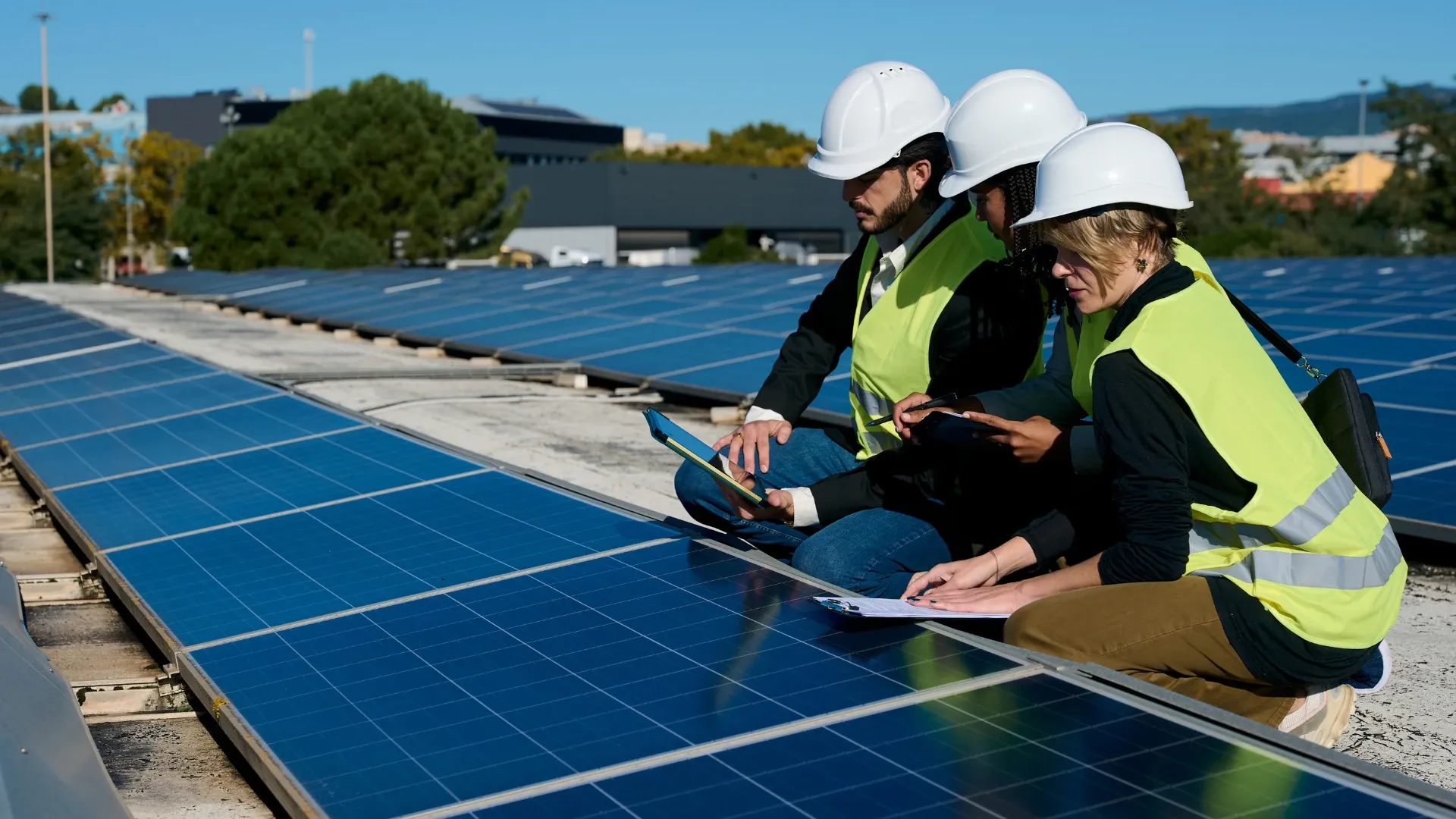
One of the clearest examples is desalination. Water scarcity has always been a defining challenge across the Gulf, yet population growth, urban expansion and rising temperatures have intensified pressure on existing infrastructure. Saudi Arabia remains the world’s largest producer of desalinated water and is investing heavily in next-generation plants powered by renewable energy rather than oil and gas. New facilities increasingly rely on reverse osmosis technology and integrated solar systems designed to lower operating costs and emissions simultaneously.
The commercial implications are immense. Desalination is no longer viewed merely as a utility service. It is becoming a sophisticated technology ecosystem involving advanced membranes, AI-driven water management systems, energy storage integration and mineral extraction from brine waste. Gulf sovereign wealth funds and regional utility giants are now investing aggressively in companies capable of improving water efficiency or lowering desalination costs.
Saudi-based ACWA Power has emerged as one of the leading corporate symbols of this shift. The company has rapidly expanded beyond conventional power generation into green hydrogen, renewable energy and water infrastructure. In early 2026, ACWA Power signed dozens of agreements linked to green hydrogen, desalination technologies, industrial AI and energy storage systems, reinforcing Saudi Arabia’s ambition to become a global export hub for climate technologies.
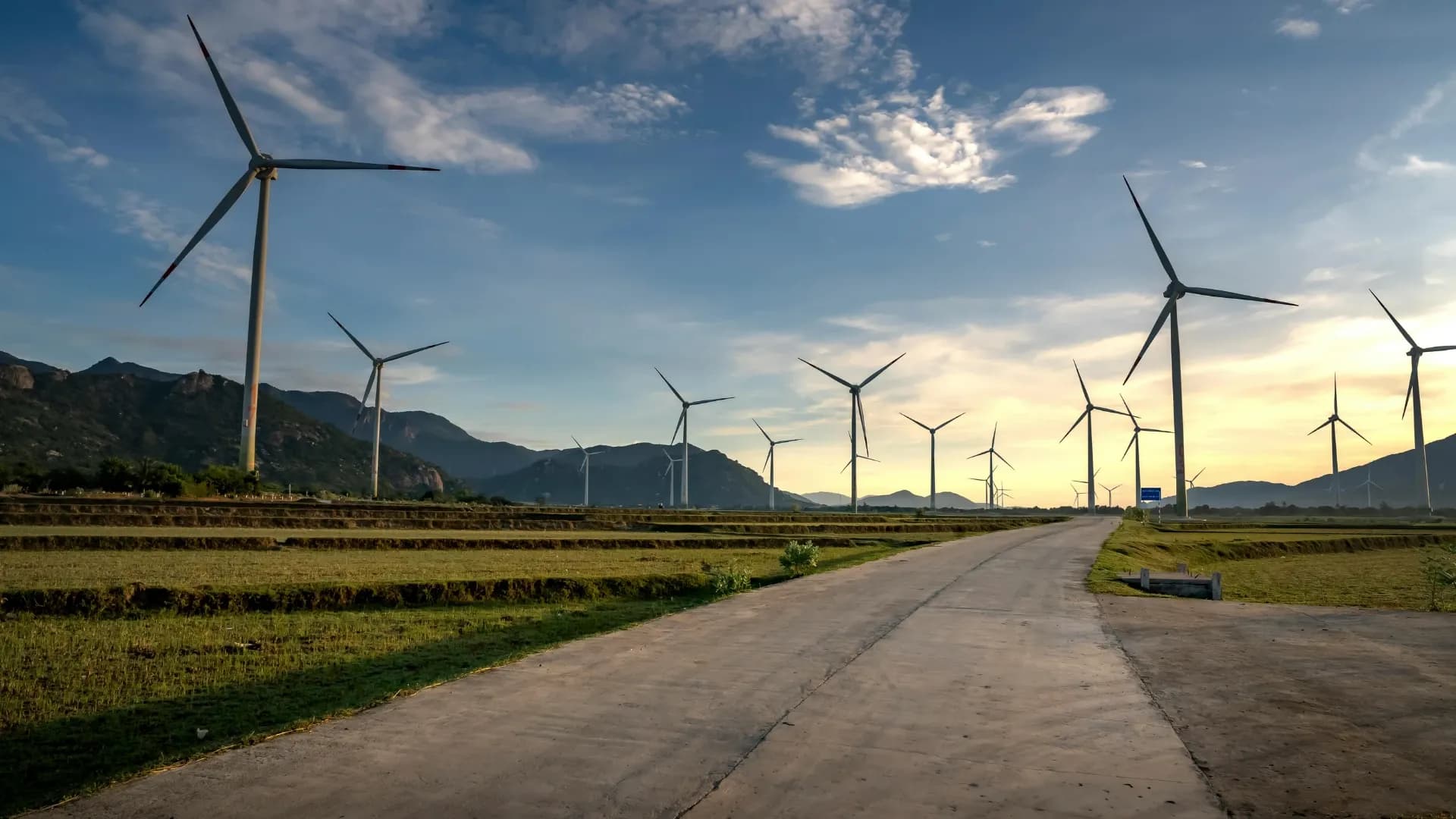
Green hydrogen is another pillar of the Gulf’s climate investment strategy. The GCC’s vast solar resources, combined with large amounts of available land and export infrastructure, have created favourable conditions for hydrogen production at industrial scale. Saudi Arabia’s NEOM development has become one of the world’s most closely watched hydrogen projects, aiming to produce carbon-free fuel for export markets in Europe and Asia.
The economic logic behind these investments is straightforward. Gulf governments understand that the future global energy system will likely include strong demand for low-carbon fuels, sustainable chemicals and clean industrial supply chains. Rather than resisting the transition, many GCC nations are attempting to dominate it from within.
Oman is also emerging as a serious player in hydrogen infrastructure. The country has launched multiple green hydrogen auction rounds designed to attract foreign investors and industrial partners, particularly around the Duqm industrial zone. Researchers and investors are increasingly focusing on how artificial intelligence and climate analytics can improve operational efficiency in harsh desert conditions, especially where dust, heat and water scarcity create unique engineering challenges.
Carbon capture and storage has likewise become central to the Gulf’s industrial strategy. Unlike some Western economies attempting to phase out hydrocarbons rapidly, GCC nations are pursuing a model in which oil and gas remain economically relevant while emissions are reduced through large-scale capture systems.
Saudi Arabia is developing one of the world’s most ambitious carbon capture programmes, targeting the capture and storage of tens of millions of tonnes of carbon dioxide annually over the next decade. Researchers studying the Kingdom’s industrial landscape argue that Saudi Arabia possesses unusual advantages for large-scale carbon capture deployment, including concentrated industrial zones, established pipeline networks, engineering expertise and significant geological storage capacity.
The UAE is pursuing similar strategies through industrial decarbonisation and carbon management initiatives tied to heavy industry, cement and energy production. Experts increasingly believe the challenge is no longer whether carbon capture technology works, but whether governments and corporations can deploy it quickly enough and at sufficient scale.
Yet perhaps the most symbolically powerful element of the Gulf’s climate transformation lies in regreening and desert rehabilitation projects. Saudi Arabia’s large-scale afforestation efforts have attracted global attention because they attempt something once considered nearly impossible: restoring vegetation across some of the world’s driest environments.
The Saudi Green Initiative includes plans to plant billions of trees and rehabilitate degraded land over the coming decades. Scientists are now using machine learning, remote sensing and climate modelling to identify areas where vegetation restoration can survive with minimal irrigation support. Recent research suggests that carefully selected regions across Saudi Arabia could sustain significant ecological recovery without excessive long-term water consumption.
These projects are about far more than image management. Desert restoration has direct economic implications for food security, infrastructure protection and urban resilience. Healthier ecosystems can reduce dust storms, moderate local temperatures and improve soil stability, all of which matter enormously for logistics corridors, industrial zones and smart-city developments across the Gulf.
Agriculture is also undergoing reinvention. Desert farming technologies, hydroponics, controlled-environment agriculture and AI-managed irrigation systems are receiving growing investment from sovereign funds and private capital. GCC governments recognise that climate volatility and geopolitical tensions could increasingly threaten food imports, making domestic agricultural resilience strategically essential.
This wider climate investment movement is gradually changing global perceptions of the Gulf itself. For decades, the region was viewed primarily as a supplier of fossil fuels. Today, it is increasingly positioning itself as a laboratory for extreme-climate innovation. Governments are leveraging sovereign wealth, engineering capability and centralised planning power to accelerate projects that would often take far longer elsewhere.
There are still serious debates surrounding execution risks, financial sustainability and the environmental credibility of some initiatives. Critics question whether certain hydrogen or carbon capture projects can deliver long-term commercial returns at scale. Others remain sceptical about the social and ecological costs associated with mega-developments linked to climate branding.
Even so, the scale of capital deployment is undeniable. Climate adaptation and water security are no longer secondary policy themes within the GCC. They are becoming foundational economic sectors capable of driving employment, industrial diversification, technology exports and foreign investment for decades ahead.
In many ways, the Gulf’s future may increasingly depend not on how much oil it exports, but on how successfully it can commercialise resilience itself. As the world confronts intensifying water shortages, rising temperatures and industrial decarbonisation pressures, the GCC is attempting to transform its harsh geography into a competitive advantage. If these strategies succeed, the deserts of the Arabian Peninsula may become one of the defining centres of the global climate economy.