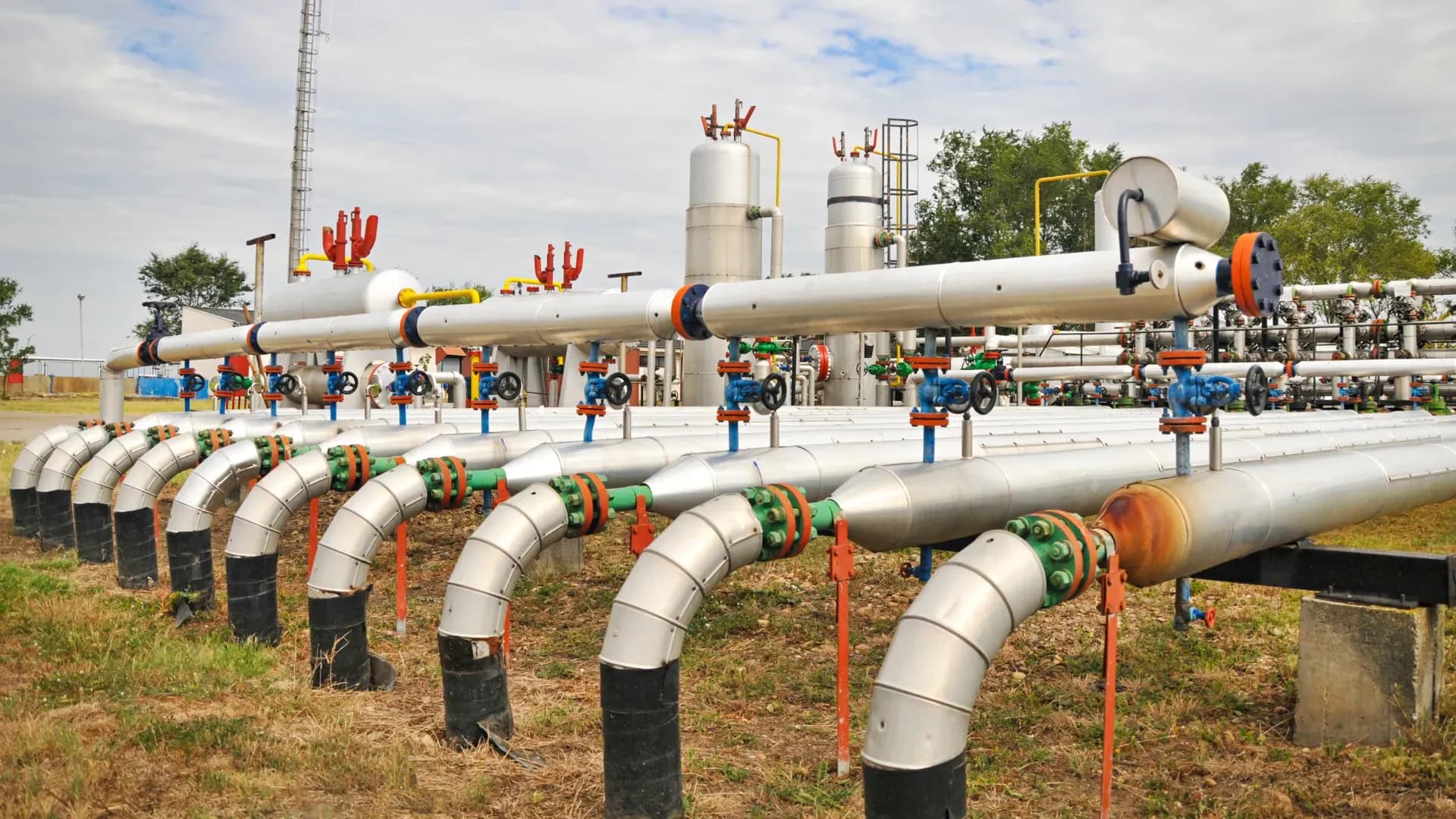

Asia’s $50 Billion Grid Race: The Infrastructure Powering a More Connected Asian Economy
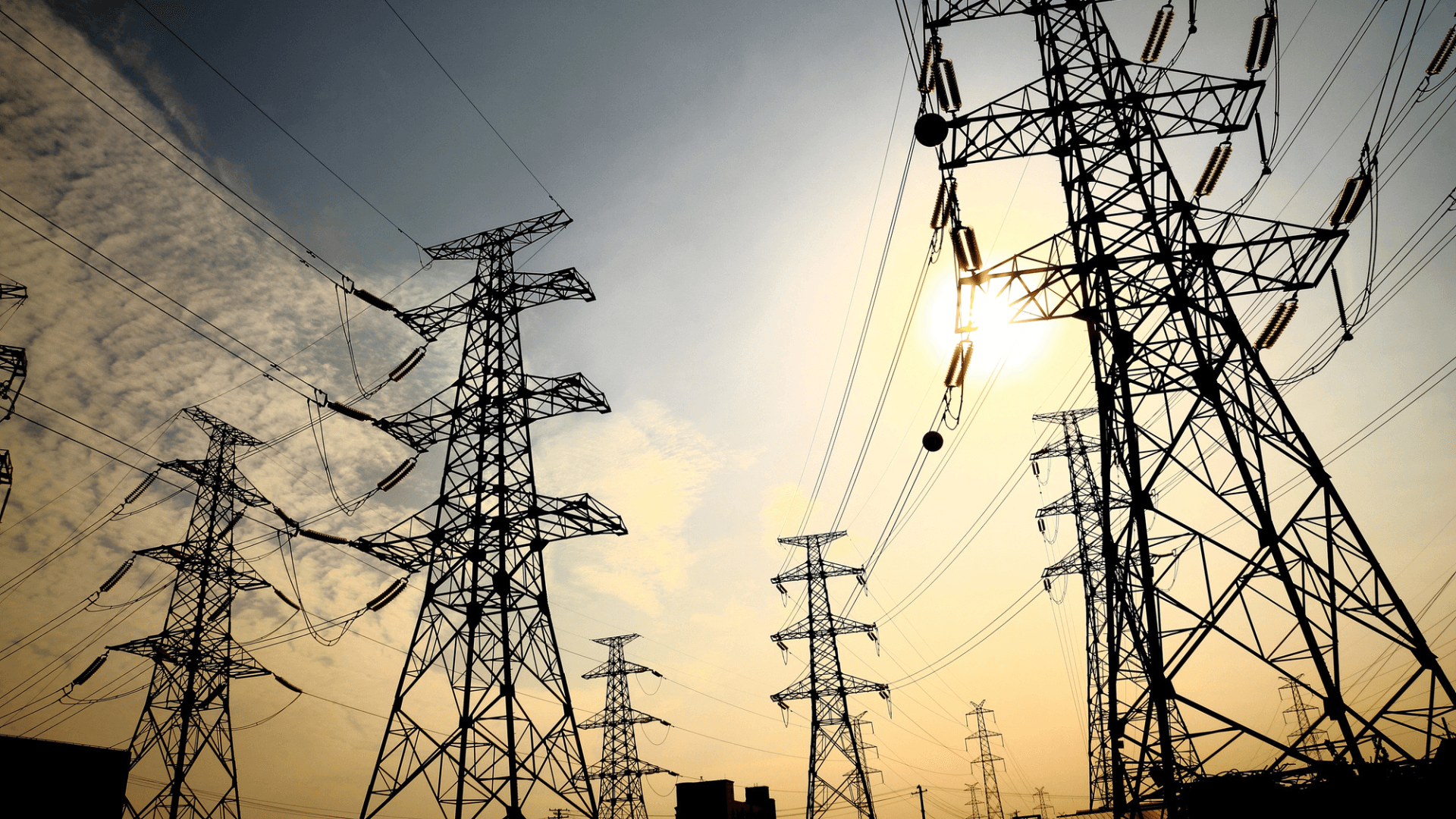

The ASEAN Power Grid provides one of the clearest examples of how regional electricity integration could develop.
Asia’s next major infrastructure story may not be another motorway, port or high-speed railway. It could be the electricity network quietly being built between countries. In May 2026, the Asian Development Bank (ADB) announced a $50 billion Pan-Asia Power Grid Initiative, to be mobilised by 2035 through financing tools, policy support and partnerships. The ambition is to help connect national and sub-regional electricity systems, increase cross-border power trading and make it easier for renewable energy to move across borders.
The scale matters because Asia’s electricity demand is rising rapidly while its energy systems remain largely organised around national borders. The business opportunity, therefore, is not simply about constructing transmission lines. It stretches across cables, substations, transformers, grid software, energy storage, engineering services, project finance and renewable power. The emerging Pan-Asia electricity network could become one of the region’s most important infrastructure markets of the next decade.
For decades, Asian electricity systems have largely developed independently. Countries have built generation capacity to serve domestic demand, with only limited cross-border electricity trading in selected markets. That model is becoming harder to sustain. Southeast Asia, in particular, is experiencing rapid industrialisation, urbanisation and digital growth. The International Energy Agency (IEA) estimates that electricity demand in the region is increasing substantially faster than overall energy consumption. Over the next decade, electricity demand is expected to rise by an amount equivalent to Japan’s entire electricity generation today.
Data centres, air conditioning, electric vehicles and industrial electrification are all adding pressure to existing networks. The consequence is straightforward: Asia needs more generation, but it also needs much more infrastructure capable of moving electricity to where it is required. That creates the commercial logic behind regional interconnection. A solar-rich area could potentially export electricity to an industrial centre. Hydropower generated in one country could support demand in another. Wind resources could be integrated across wider geographical areas, while stronger connections could help balance periods of surplus and shortage. In economic terms, a regional grid can turn electricity from a largely domestic commodity into a more flexible cross-border market.
The ADB’s $50 billion commitment should not be interpreted as the final construction cost of a single Pan-Asian grid. It is a financing and mobilisation target designed to unlock a much wider ecosystem of infrastructure investment by 2035. That distinction is important for investors and businesses. Large transmission projects often require substantial upfront capital and can face long permitting periods, complex land negotiations and regulatory uncertainty.
Cross-border projects introduce additional complications because several governments, electricity regulators and grid operators must agree on technical and commercial arrangements. Multilateral development banks can therefore play a critical role by reducing some of those risks. Their involvement can help projects reach financial close, improve investor confidence and bring commercial banks and institutional capital into markets where risks might otherwise appear too high. The opportunity consequently extends well beyond utilities.
Companies supplying high-voltage equipment, transformers, switchgear, cables, substations and grid-management systems could benefit from the expansion. Engineering, procurement and construction firms could secure major contracts, while technology companies could find growing demand for forecasting, automation, grid balancing and digital monitoring.
The ASEAN Power Grid provides one of the clearest examples of how regional electricity integration could develop. The IEA estimates that ASEAN countries will require more than $300 billion in electricity-grid investment between 2025 and 2040 to expand and modernise their networks. It also estimates that approximately $27 billion will be needed by 2040 for planned cross-border interconnections under the ASEAN Power Grid. These numbers illustrate why the wider Pan-Asia initiative matters.
The region is not simply adding renewable generation; it must build the transmission infrastructure capable of absorbing and distributing that electricity. The IEA expects transmission and distribution networks in Southeast Asia to more than double in length by 2050. Grid and storage investment is expected to rise from around $13 billion today towards $50 billion in 2050 under its stated-pledges scenario. The commercial opportunity is therefore becoming structural rather than cyclical.
The traditional electricity model was relatively simple: build power stations close to demand and deliver electricity through national networks. Renewables complicate that model. Solar and wind resources are geographically uneven. Electricity production can also change according to weather and time of day. A country may have abundant renewable power at one moment while another market is experiencing a shortage. Interconnection can help solve part of this problem by allowing electricity to move across larger geographical areas.
That makes transmission infrastructure increasingly valuable as renewable penetration rises. Instead of treating every national grid as an isolated system, countries can share balancing resources and potentially reduce the amount of expensive backup capacity required within individual markets. This is one reason the Pan-Asia Power Grid concept has significance beyond conventional infrastructure. It could become an enabling platform for Asia’s energy transition.
The most visible part of a regional electricity network will be the transmission line, but the real commercial ecosystem is much larger. High-voltage direct-current technology could become particularly important for long-distance connections, while advanced transformers and substations will be required to move electricity efficiently between different networks. Grid operators will also need sophisticated digital systems. Greater cross-border electricity flows mean more complex forecasting, dispatch, cybersecurity and system management. Artificial intelligence and advanced analytics could increasingly help utilities predict demand, manage renewable generation and identify faults before they disrupt supply.
Energy storage is another major opportunity. The IEA says batteries, demand response and other flexibility resources will be essential as Southeast Asia manages increasing variability in electricity supply and demand. This creates opportunities for battery developers, software providers and companies specialising in grid-scale flexibility. The result is a new infrastructure value chain in which hardware, software and financial services become increasingly interconnected.
The Pan-Asia concept is also strategically significant because Asia contains several of the world’s largest electricity markets and fastest-growing industrial economies. India is expanding transmission capacity alongside renewable generation, while China has developed one of the world’s largest and most sophisticated high-voltage transmission networks. Southeast Asian economies are simultaneously seeking reliable electricity to support manufacturing, data centres and urban growth. The investment case is strengthened by the rising importance of electricity-intensive industries.
Data centres and digital infrastructure require dependable power around the clock. Advanced manufacturing, electric mobility and industrial electrification are also increasing electricity consumption. This means grid reliability is increasingly becoming a competitive advantage for economies seeking foreign investment. The countries capable of providing abundant, reliable and increasingly low-carbon electricity could have an advantage in attracting factories, technology companies and infrastructure investors.
A Pan-Asian electricity network will not be built simply because the economics look attractive. Electricity is deeply political. Governments are reluctant to become overly dependent on neighbouring countries for critical energy supplies. Differences in electricity tariffs, regulations, market structures and technical standards can complicate cross-border trading. There are also questions around who owns transmission assets, who controls electricity flows and how countries share the costs and benefits. Physical infrastructure creates additional challenges.
Transmission corridors can face land disputes, environmental concerns and lengthy approval processes. Cybersecurity will become increasingly important as national electricity systems become more digitally interconnected. Financing will also remain difficult for projects crossing multiple jurisdictions. The role of institutions such as the ADB is therefore crucial. By providing financing, policy support and mechanisms to reduce investment risk, multilateral lenders can help transform regional ambitions into commercially bankable projects.
The Pan-Asia Power Grid Initiative arrives at an important moment. Asia is moving towards an economy that will depend increasingly on electricity, from artificial intelligence and data centres to electric vehicles, advanced manufacturing and renewable energy. The infrastructure required to support that transformation cannot remain confined within national borders. The $50 billion ADB mobilisation target signals that regional electricity connectivity is moving higher up the infrastructure agenda.
For businesses, the opportunity is potentially larger than the headline figure suggests. Every new interconnection can create demand for equipment, engineering, financing, digital controls, storage and long-term maintenance. For investors, the attraction lies in the possibility of a multi-decade infrastructure cycle backed by rising electricity demand and the energy transition. Asia’s future power network will not be built overnight.
It will emerge through thousands of projects, agreements and investments. But if governments can overcome regulatory and political barriers, the wires connecting Asia could become more than infrastructure. They could become the backbone of a new regional electricity economy – and one of the continent’s most important business opportunities of the 2030s.