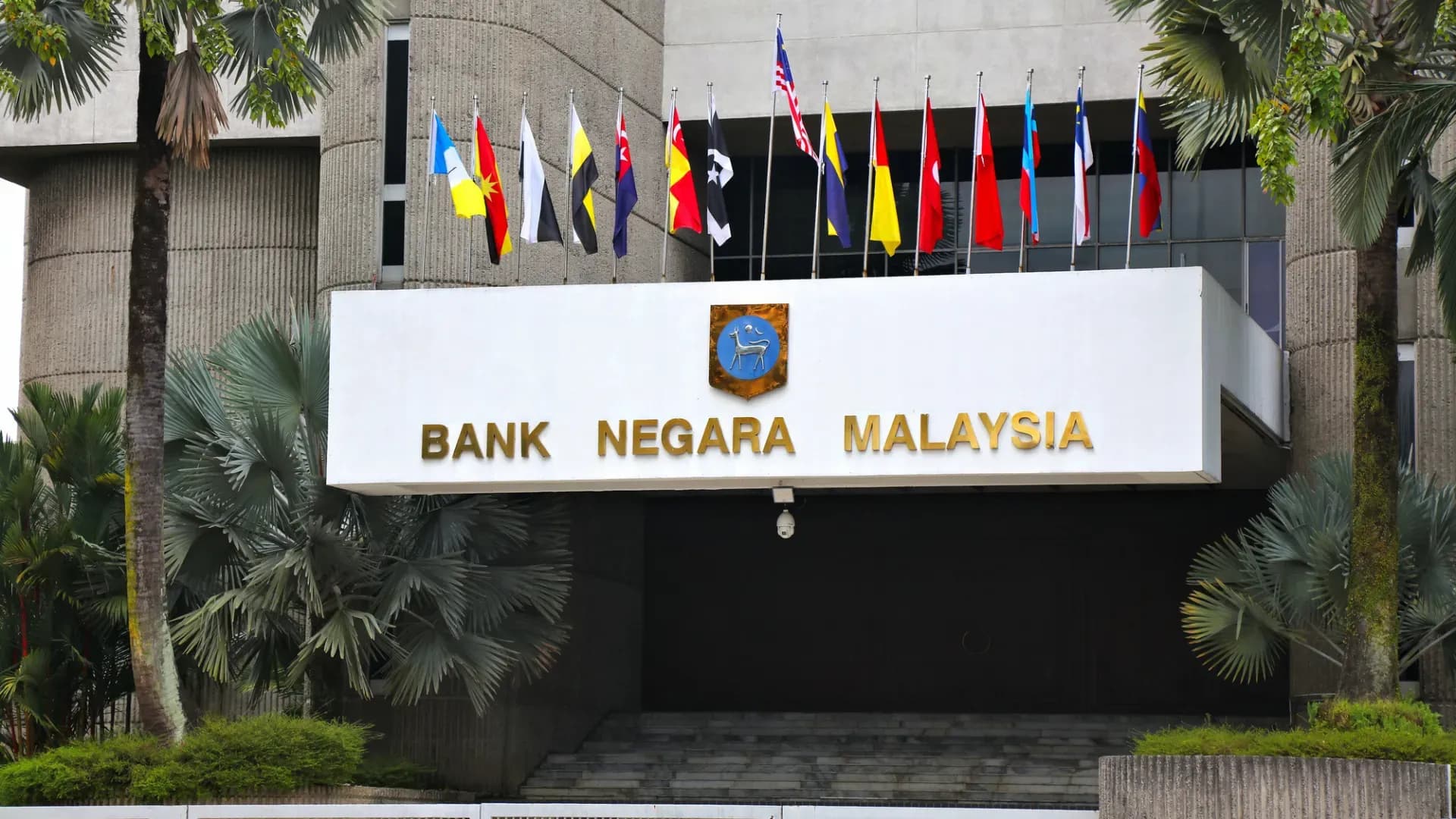

Argentina-China Renew $19 Billion Currency Swap Despite US Pressure
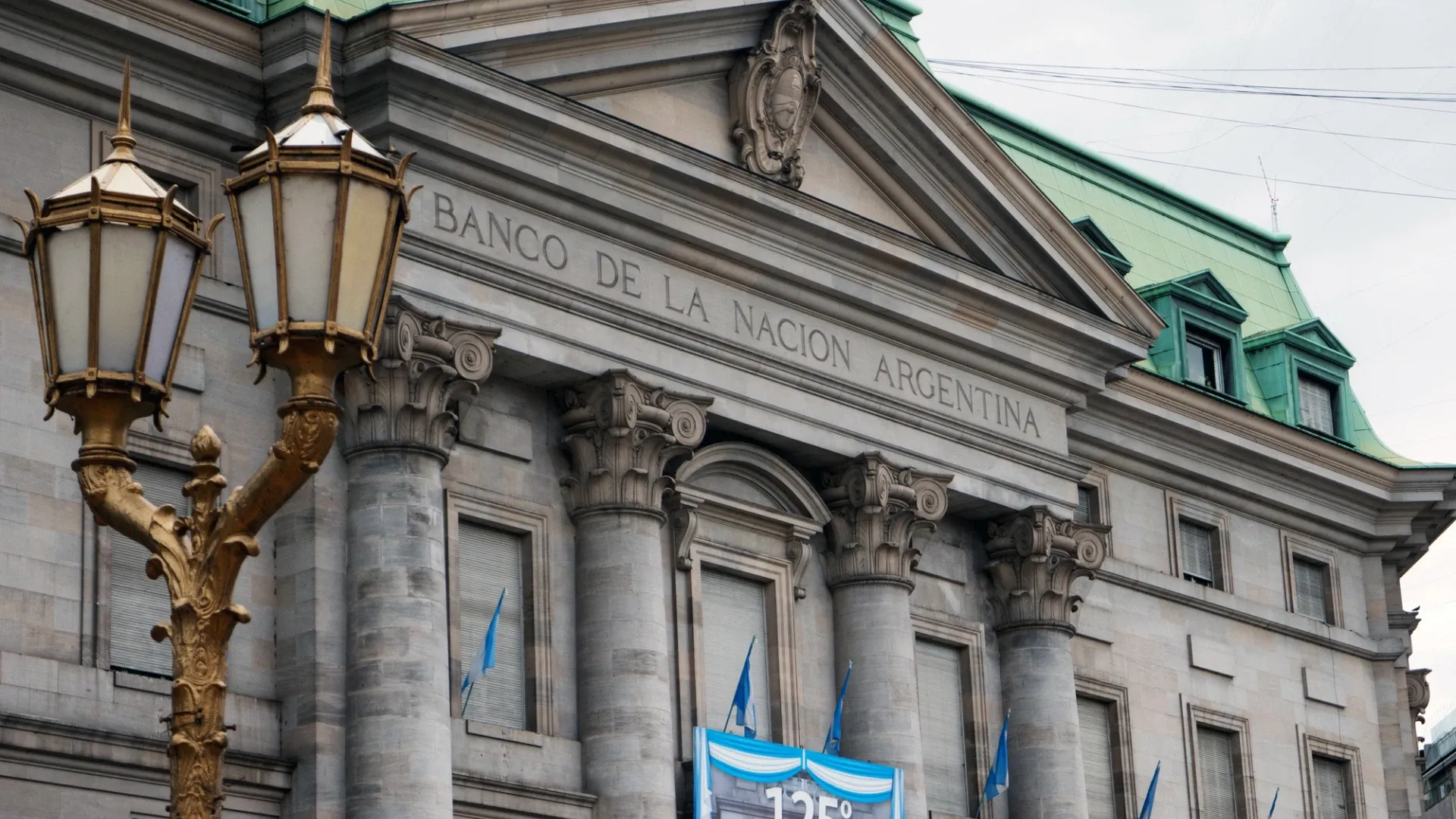

Last week, the Argentine Central Bank and People’s Bank of China (PBOC) sealed the deal by signing an agreement to extend the 130 billion yuan line a day before it was set to expire.
Argentina has renewed its currency swap with China for another five years, thereby preserving a $19 billion lifeline that the US has been pressing Buenos Aires authorities to hand over. A currency swap refers to the standing credit line between the central banks of two countries. With a deal like this, Argentina can borrow yuan from the Chinese Central Bank by paying in pesos and must return the drawn amount with interest.
Last week, the Argentine Central Bank and People’s Bank of China (PBOC) sealed the deal by signing an agreement to extend the 130 billion yuan line a day before it was set to expire. This 130 billion yuan will be counted as Argentine foreign reserves, although it cannot be spent until a tranche is activated. Once activated, this sum becomes a debt. Such an agreement was first inked in 2009, and the recent renewal will be valid till 2031, two years longer than any previous renewal.
Along with pressure from the White House, there was speculation surrounding the future of this deal as the country’s President Javier Milei had vehemently opposed doing business with communists during his election campaigns. Milei’s political leanings have earned him the title of being Donald Trump’s closest Latin American ally. Therefore, many analysts were inclined to believe that he might have allowed the swap to lapse without seeking a renewal.
According to the Argentine Central Bank, the longer-than-usual extension of two years will allow greater predictability over the continuity of this tool. As the LatAm country is regularly short on dollars, it remains heavily dependent on the yuan lifeline, which accounts for nearly 40% of its gross reserves. This number is declining from the 2023-reported 60%. The yuan has helped Buenos Aires pay for Chinese imports, shored up the peso value during currency runs and also aided in meeting IMF payment deadlines.
Argentina was the first LatAm country to sign a currency swap deal with China, when it finalised a 70 billion yuan line in 2009 just as the effects of the global financial crisis were beginning to show across continents. The deal expired in 2012 without a single yuan being drawn.
There was an inflow of money two years later when disbursements were tied to two hydroelectric dams in Patagonia awarded to China Gezhouba Group. In 2018, the government expanded the credit line to its present size. However, under the Alberto Fernandez administration, the line was used only as an emergency fund, and infrastructure funding was completely halted. In 2023, the government decided to activate a $5 billion tranche to pay the IMF and defend the peso, as it was the election year.
Having won the popular mandate, Milei inherited the obligation for that tranche but remained steadfast in refusing to sign a pact with the communists. His government twice convinced Beijing to delay payments, in 2024 and 2025, after he wrote to Chinese President Xi Jinping within days of entering office, asking for assistance in unlocking the exchange.
Alarmed by Argentina’s growing closeness to Beijing, despite Milei being in power, the US officials were quick to note that as long as the currency swap exists, the country would not be free of China’s extortion. In April 2025, Mauricio Claver-Carone, who was then Trump’s special envoy for LatAm, asserted that Washington remained concerned that Argentina’s latest IMF programme would not reinforce China’s position. Later that month, on a visit to Buenos Aires, Scott Bessent, the US Treasury Secretary, encouraged the Argentine government to earn enough hard currency to pay off the line.
China, on the other hand, did not remain silent on the subject. The Chinese Embassy quickly issued a statement condemning the US officials for unnecessary slander against the intention to provide financial assistance to other countries.
Having pressured Argentina to move away from Beijing’s support, the US Treasury signed a $20 billion currency swap with the LatAm country’s Central Bank last October. The government used $2.5 billion to buy pesos to negate currency fluctuations before the midterm elections. That sum was repaid two months later. The two countries also signed a deal in January to reduce energy dependence on ‘non-market actors’, which indirectly refers to China.
By this time, Argentina had already repaid nearly the entire amount it had borrowed from the Chinese line. The outstanding balance had fallen from close to $5 billion to $679 million by mid-January. This massive reduction also furthered analysts’ predictions and speculations that Milei would let the swap expire.
Despite the President’s strong views about not wanting to renew the agreement, Santiago Bausili, the Central Bank Governor, explained that letting the swap die was never part of the plan. He described the relationship between the banks of both countries as ‘stable and quasi-permanent.’ He also added that Argentina expected to renew the deal with the same clauses, which would mean its validity would run up to only 2029. The Governor further explained that as part of the renewed agreement, the $5 billion tranche has been activated and can be employed without additional authorisations.
The government plans to amass $22 billion in firepower at the Argentine Central Bank before the presidential election next year. The three ways in has categorised to do this include the currency swap, dollar futures contracts and repurchase agreements with international banks. The Bank’s gross reserves are now up to $49.6 billion this week, the highest since September 2019.