
Why LatAm’s Agro Sector Is The Next Big Market Despite Fertiliser Shortage And Climate Shocks
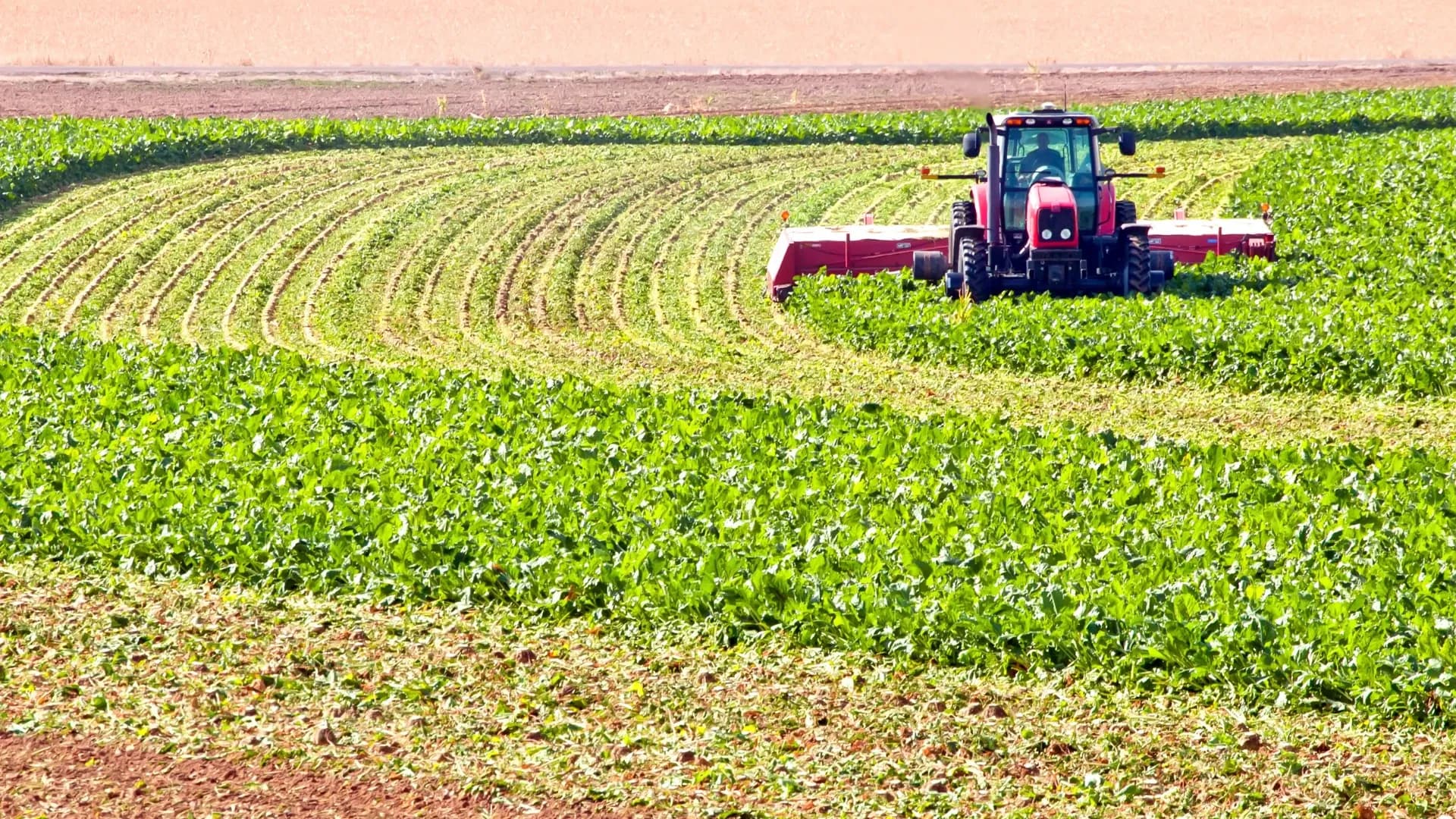

Agriculture follows a crop calendar which cannot be altered. Therefore, the application of fertilisers during certain windows of time becomes crucial to protect the yield. A delay of even a couple of weeks compels farmers to reduce fertiliser use or abandon its application altogether.
In the aftermath of the Iran crisis, inflation is rising worldwide, the global supply chain has been disrupted, and investors’ confidence is plummeting. As the oil shortage situation prolongs, the Director-General of the Food and Agriculture Organisation (FAO), QU Dongyu, has cautioned that disruptions in the Strait of Hormuz are causing acute global fertiliser scarcity, which will lead to lower yields and tightening food supplies in the latter half of this year, and will continue into 2027.
Dongyu expressed concern that the present situation has escalated from a geopolitical conflict to one which must be categorised as an upheaval of the global agri-food system. The crisis is now increasingly affecting food production, trade, agricultural inputs and threatening food security worldwide.
Agriculture follows a crop calendar which cannot be altered. Therefore, the application of fertilisers during certain windows of time becomes crucial to protect the yield. A delay of even a couple of weeks compels farmers to reduce fertiliser use or abandon its application altogether. The impact of this shortage is alarming as it coincides with critical planting and fertilisation periods across major agro-producing regions. Import-dependent countries in Africa, Asia and parts of the Middle East are among the most exposed, especially those already facing acute food insecurity, economic fragility or climate-related shocks.
The Director-General emphasised that the problem affects every nation and outlined three key areas that require coordinated action. He emphasised the necessity of maintaining supply chains in the short term by improving farmers’ access to agricultural inputs, avoiding export restrictions, promoting alternate trade routes, and protecting humanitarian supply networks. He advocated for increased regional collaboration, fertiliser and energy diversification, and medium-term targeted assistance for the most vulnerable economies.
In order to lessen reliance on concentrated supply channels and inputs originating from fossil fuels, Qu explained the necessity of long-term structural transformation, including investments in renewable energy, sustainable agriculture, creative fertiliser solutions, and improved storage and transport infrastructure.
The FAO, the WFP and the International Fund for Agricultural Development (IFAD) are increasing their efforts to ensure that governments across the LAC have the necessary support to deal with the potential consequences of the El Niño climate phenomenon. The three UN agencies have jointly agreed that early action, climate preparedness and humanitarian coordination are the need of the hour.
Governments and international organisations must also come together to improve long-term resilience building to protect vulnerable regions from agricultural disruption and food insecurity. The agencies have warned that the El Niño effect could widen the socio-economic disparities plaguing LatAm, particularly in rural and agricultural communities, which are already struggling with soaring food prices, climate shocks, and economic instability.
Officials suggested that the anticipatory actions implemented during the 2023–2024 El Niño, which yielded positive results in the region, should serve as a blueprint for tackling this year’s phenomenon as well. Over 100,000 people in 250 rural communities across nine countries had benefited from such timely measures, including cash transfers to households, rehabilitation of water systems, and animal health brigades.
While the LatAm region is forced to be import-dependent, rather than self-reliant, due to unpredictable climate conditions, it has found an unlikely partner in Egypt. The Egyptian Ministry of Agriculture and Land Reclamation announced that, despite the present geopolitical instabilities in the Middle East, it has managed to forge a partnership with three LatAm countries- Peru, Panama and Mexico. These countries will henceforth serve as the newest market for Egypt’s oranges, grapes and strawberry seedlings, as part of Cairo’s efforts to increase national exports and increase foreign currency reserves.
Until LatAm’s unfavourable climatic and agricultural conditions are brought under control, it will remain an attractive market for outbound ships from other countries. While the situation in the region seems dire, IMARC Group, one of the world’s leading market research firms, recently published a report suggesting that the Latin American blockchain in agriculture market size was roughly $723.5 million in 2025.
Brazil comprises a substantial share of this, and the region’s market size is estimated to reach $20‚687.6 million by 2034, marking a 44.24% growth in the period. This growth is attributed to agricultural traceability‚ adoption of smart farming technologies‚ and an increased focus on supply chain transparency. The report also explains how LatAm no longer solely relies on transaction records but is in the process of developing decentralised data-sharing ecosystems through which efficiency, transparency and sustainability of the agro supply chain can be achieved.
Consumers across LatAm are becoming increasingly concerned about the provenance‚ quality, and sustainability of agro products‚ thereby compelling farmers and agro-based businesses to adopt blockchain solutions. Smart farming technologies are also becoming more mainstream in the form of IoT sensors, AI-based analysis, and integrated blockchain networks, which help improve efficiency by monitoring crop conditions, preventing fraud‚ and making the inventory more transparent.
The government in these countries has also extended support by initiating programs which promote digital farming and compliance with food safety laws, making it easier for blockchain integration. LatAm’s export economies are rapidly adopting blockchain in agriculture to meet international standards for product certifications and earn the trust of overseas trading partners. According to the IMARC report, both the size and scope of the industry are expanding, with its focus shifting towards sustainable and transparent agricultural ecosystems. Decentralised finance (DeFi) is also expected to drive the market growth by helping farmers gain access to more funding and safe and secure transactions.
The global agri-food sector is at a turning point due to climate shocks and geopolitical instability. The El Niño phenomenon and the disruption of fertiliser supply pose an urgent threat to food security, especially in import-dependent countries such as Latin America. But structural growth is also being stimulated by the crisis.
A route toward resilience can be found by combining short-term humanitarian assistance with long-term technical investments. In the end, the shift to decentralised, transparent, and digitally enabled supply chains is a basic requirement for global stability rather than an optional improvement.