
Top 10 Agrotech Innovations of 2025-2026

The global shift towards sustainable agriculture is accelerating demand for biological fertilisers, biopesticides, and regenerative farming solutions in 2026.
Global Agrotech innovation in 2026 is transforming farming through AI, robotics, sustainability, and climate-smart agricultural technologies worldwide.
1. AI-Powered Farming Becomes the Global Standard
Artificial intelligence is rapidly transforming agriculture in 2026 as farmers across North America, Europe, Asia, and Latin America adopt predictive analytics, smart irrigation, and autonomous monitoring systems. Major agribusinesses are investing heavily in AI tools that can detect crop disease early, reduce fertiliser waste, and improve harvest forecasting. Analysts believe AI-driven farming could become the backbone of future food security as climate volatility continues to pressure global food supply chains.
2. The Rise of Autonomous Farm Robots Sparks a New Farming Revolution
Agricultural robotics has moved beyond experimentation and into large-scale deployment in 2026. Autonomous tractors, robotic weed removers, and AI-powered harvesting machines are helping farmers tackle labour shortages and rising operational costs. Countries including the United States, Australia, Japan, and the Netherlands are leading the robotics wave. Experts say the global market for autonomous agricultural machinery is expected to nearly double over the next decade.
3. Vertical Farming Expands Rapidly Across Major Cities
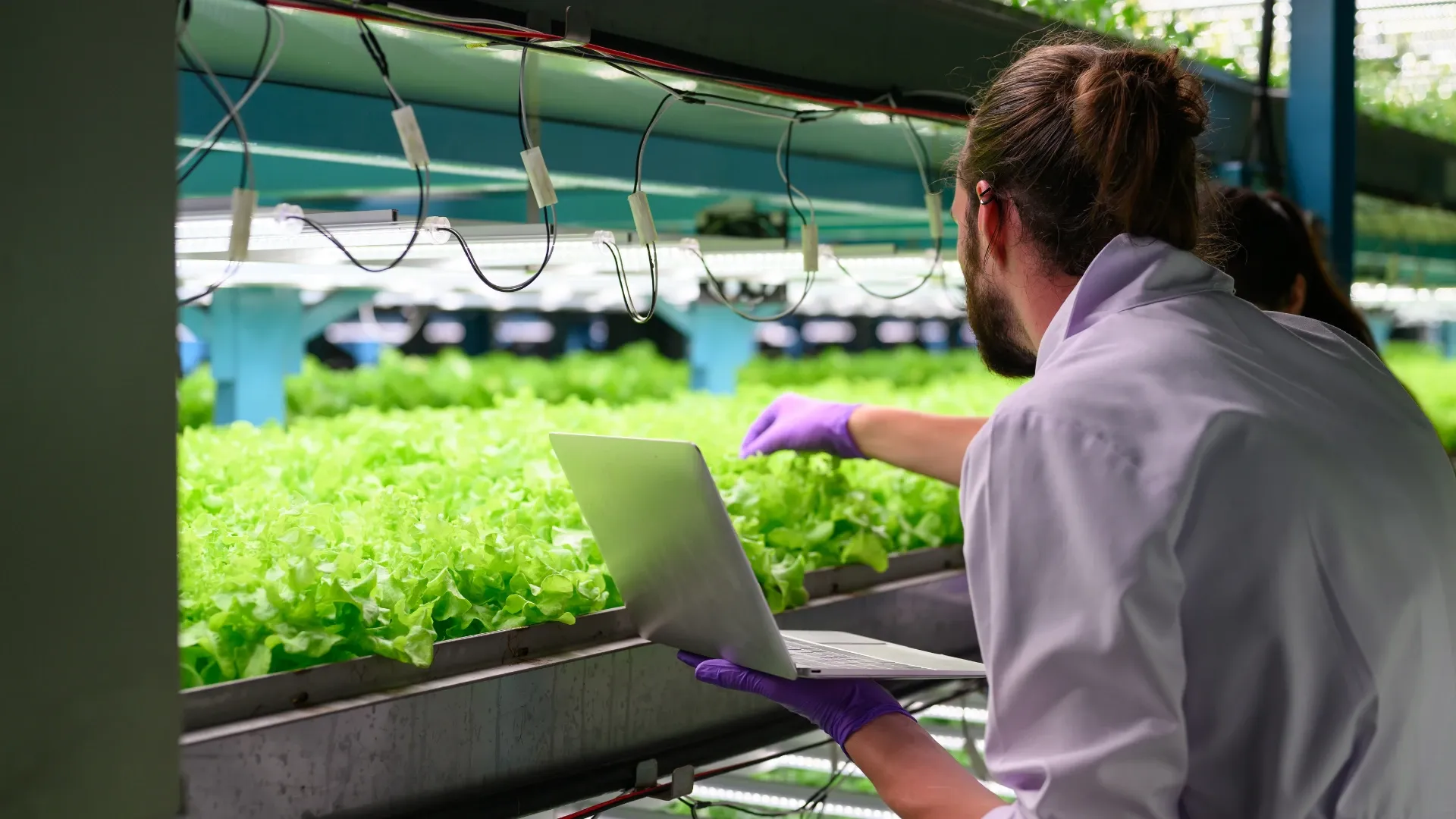
Urban vertical farming is witnessing explosive growth in 2026 as governments and private investors push for local food production. Mega indoor farms in cities such as Dubai, Singapore, London, and New York are producing leafy greens with far less water and land than traditional agriculture. Advanced LED systems, climate-controlled facilities, and hydroponic technologies are making year-round farming commercially viable despite global climate disruptions.
4. Biological Fertilisers and Eco-Friendly Crop Inputs Go Mainstream
The global shift towards sustainable agriculture is accelerating demand for biological fertilisers, biopesticides, and regenerative farming solutions in 2026. Farmers are increasingly moving away from chemical-heavy farming methods as environmental regulations tighten worldwide. Agrotech firms are now developing highly targeted biological products designed to improve soil health while maintaining crop yields. Industry researchers predict double-digit annual growth for the biologicals market throughout the decade.
5. Drone Technology Reshapes Precision Agriculture Worldwide
Agricultural drones are becoming essential tools for modern farming operations in 2026. Farmers are using drones for crop surveillance, fertiliser spraying, soil analysis, and irrigation monitoring. AI-enabled drones can now identify disease outbreaks and nutrient deficiencies before visible crop damage occurs. Governments in India, Brazil, and parts of Africa are supporting drone adoption through subsidies and digital farming initiatives aimed at boosting productivity and reducing waste.
6. Climate-Smart Farming Technologies Attract Record Investment
Global investment in climate-resilient agriculture technologies has surged sharply in 2026 as extreme weather events threaten crop production. Agrotech startups are developing drought-resistant seeds, water-saving irrigation systems, and carbon-monitoring platforms to help farmers adapt to changing environmental conditions. Investors are particularly focused on technologies that improve food security while supporting net-zero climate goals. Climate-smart agriculture is now one of the fastest-growing sectors within agritech.
7. AI and Genomics Join Forces to Create Super Crops
One of the most important agrotech developments of 2026 is the convergence of artificial intelligence and genomics in crop development. Researchers are using AI to accelerate plant breeding programmes and develop crops that are more resistant to drought, disease, and extreme temperatures. Global agriculture conferences this year have highlighted breakthroughs in precision breeding technologies that could dramatically improve food production over the coming decades.
8. Smart Greenhouses Become a Multi-Billion-Dollar Industry
Controlled-environment agriculture is booming in 2026 as smart greenhouses spread across Europe, the Middle East, and the Asia-Pacific markets. These high-tech facilities use sensors, robotics, and machine learning to manage temperature, humidity, and nutrient delivery automatically. Investors are increasingly viewing smart greenhouse farming as a reliable alternative to weather-dependent traditional agriculture, particularly in regions facing water scarcity and unstable climates.
9. Carbon Farming Creates a New Revenue Stream for Farmers
Carbon farming is emerging as one of the biggest agrotech business opportunities of 2026. Farmers are now earning income by adopting sustainable practices that capture carbon in soil and reduce agricultural emissions. Digital carbon tracking platforms, satellite monitoring systems, and blockchain verification tools are helping farmers participate in global carbon credit markets. Governments and multinational food companies are increasingly supporting these programmes to meet environmental targets.
10. Agrotech Startups Trigger a Global Funding Boom
The global agrotech startup ecosystem is experiencing strong investor momentum in 2026, with funding flowing into AI farming, robotics, vertical agriculture, precision irrigation, and biotechnology companies. Venture capital firms and sovereign wealth funds are increasingly viewing agricultural innovation as critical for future economic stability and food security. Industry reports show that hundreds of agrotech startups are scaling rapidly as governments prioritise sustainable food production technologies worldwide.