
Middle East Cargo Skyrockets to 5.7% as World Air Freight Hits New Peak
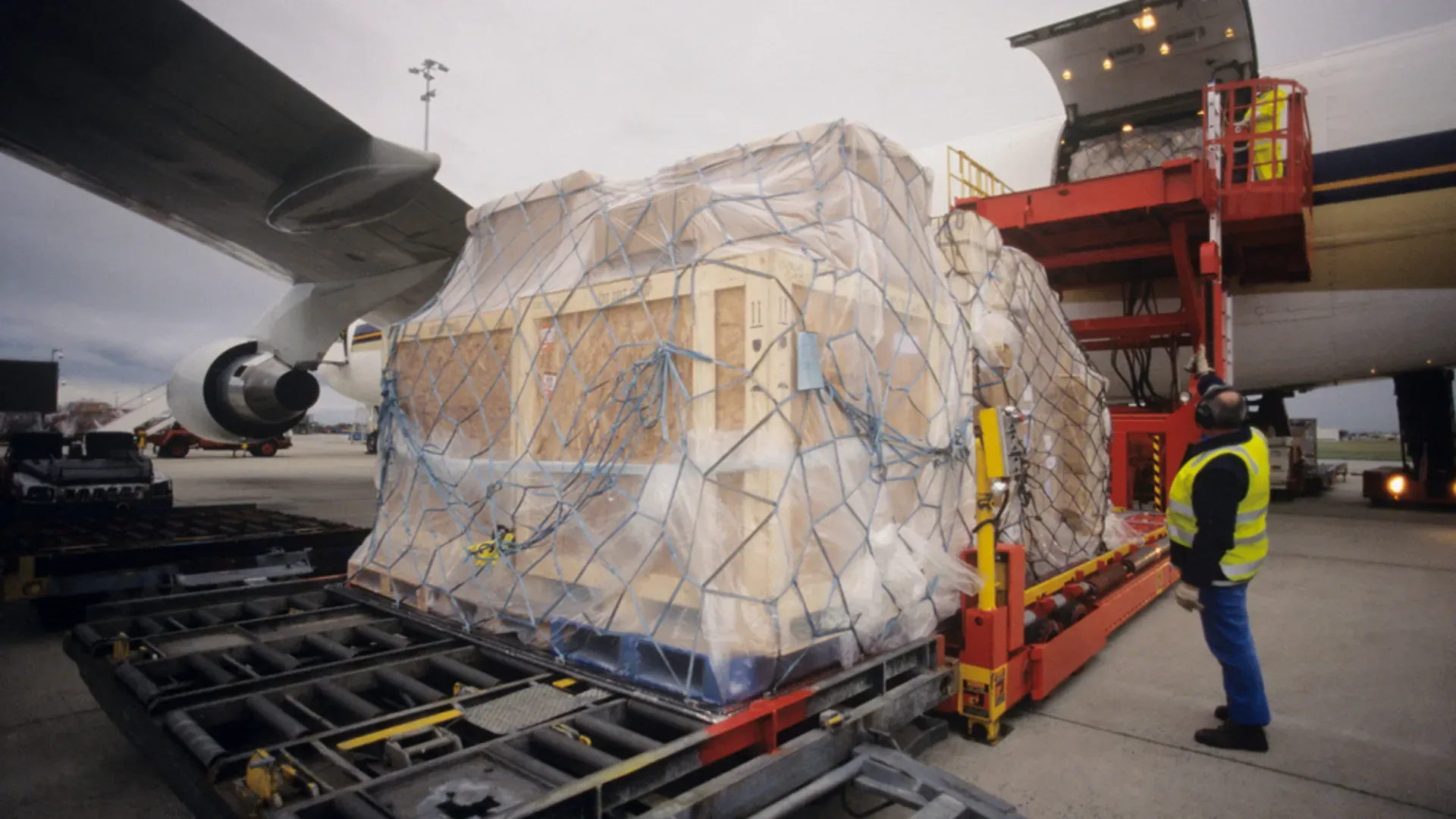

Middle Eastern airlines reported a strong 5.7% increase in demand during the same time frame.
October 2025 was another successful month for global air freight, with volumes hitting a record high and Middle Eastern carries emerging as one of the fastest-growing contributors in the in the region. Global cargo tonne-kilometres (CTKs) increased 4.1% year over year in October, the eighth consecutive month of growth, according to data from the International Air Transport Association (IATA). Middle Eastern airlines reported a strong 5.7% increase in demand during the same time frame.
The gains are driven by a multifaceted picture. The Middle East’s capacity increased dramatically; according to IATA, the region’s available cargo capacity increased by about 10% annually, allowing carriers to take advantage of growing trade flows even as some traditional lanes deteriorate. In addition to accommodating surges in trade lanes between Asia and Europe, intra-Asia and the Middle East and Asia, this additional lift gas assisted in rebalancing seasonal pressures.
Trade-lane dynamics were especially notable here. While routes connecting Europe, Asia and the Middle East reported double digit gains, the historically vital Asia-North America corridor is still showing signs of strain. The region’s role as a conduit for manufactured goods, high-value electronics and time-sensitive shipments was highlighted by the sharp increase in demand on Middle East-Asia routes and Europe-Asia. The Middle East continues to have a significant competitive advantage due to its geographic location, which allows for quick transit between important manufacturing hubs in Asia and consumption markets in Europe and Africa.
E-commerce continues to be a structural advantage. Lead times have been shortened, and spot rates have occasionally increased due to the persistent demand for quick fulfillment of consumer goods, especially from fast-fashion and value e-retailers. Many high-velocity packages and premium goods still depend on aviation’s speed, despite rumors that some shippers are moving to sea to cut costs. This dynamic benefits Gulf hub carriers with sizable freighter fleets and robust belly-hold connectivity through full-service networks. The e-commerce boom has previously been connected to significant increases in airtight activity, a trend that continues into 2025, according to Reuters and industry analyses.
However, there are some limitations to the upturn. In certain areas, increased capacity put pressure on the region’s load factors. According to IATA, the global capacity increase (roughly 5.1% in October) marginally outpaced demand growth, pushing load factors lower. Even when volumes are increasing, rerouting, longer sectors and increased fuel consumption can reduce margins due to geopolitical tensions and margins due to geopolitical tensions and airspace restrictions. Airlines must strike a careful balance between increasing capacity and maintaining yield.
The consequences are immediate for shippers and freight forwarders. For many origin-destination pairs, the stronger flows through Gulf hubs offer new routing options and quicker transit times, but contract negotiations and capacity planning will need to remain flexible due to lane-by-lane performance volatility. According to logistics executives, securing diversified capacity, which combines scheduled freighters, integrator services and long-haul belly space is now a prudent strategy to smooth throughput across peaks and troughs. Because they provide near-real-time visibility into capacity and rates, industry platforms and data services are becoming more and more important for these kinds of decisions.
In the future, the industry will be influenced by three well-known factors: trade trends, fuel and geopolitics. Middle Eastern carriers stand to gain from hub scale and fleet flexibility if demand keeps rising at current rates. However, how well capacity growth is controlled and how external shocks are absorbed will determine profitability. For the time being, October’s data supports a reviving air cargo market, with the Middle East playing a significant role with a 5.7% increase.