
How Expanding Trade Networks Are Transforming Export Opportunities for Small Island Businesses

One of the strongest drivers behind this transformation is the increasing collaboration among Pacific nations through regional trade frameworks.
The Pacific region is entering a new phase of economic integration, with expanding trade networks creating fresh export opportunities for small island businesses that have long faced geographical isolation, high transport costs and limited market access. Across the Pacific Islands, governments, regional organisations and development partners are strengthening trade connectivity through improved logistics, digital commerce, export promotion initiatives and regional trade agreements. These developments are allowing small and medium-sized enterprises (SMEs) to reach larger international markets while encouraging sustainable economic growth throughout the region.
For decades, Pacific island economies have relied heavily on tourism, fisheries and agricultural exports. While these sectors remain fundamental, changing global trade patterns and increasing regional cooperation are opening the door for a more diversified export landscape. Businesses producing premium food products, natural cosmetics, handicrafts, sustainable fashion, coffee, cocoa, kava, coconut products and digital services are discovering growing demand across Australia, New Zealand, Asia and North America.
One of the strongest drivers behind this transformation is the increasing collaboration among Pacific nations through regional trade frameworks. Agreements designed to reduce trade barriers and improve customs procedures are making it easier for exporters to move products across borders. Alongside these agreements, investment in trade facilitation, regulatory harmonisation and export capacity building is helping businesses compete more effectively in international markets.
Trade organisations are also playing a crucial role in connecting Pacific entrepreneurs with overseas buyers. Pacific Trade Invest (PTI), which supports exporters from Forum Island Countries, has expanded programmes that provide market intelligence, export readiness training, digital marketing support and introductions to international distributors. Its latest strategic initiatives place significant emphasis on helping businesses adopt e-commerce, improve branding and develop products that meet international quality standards.
The launch of the 2026 Pacific Islands Export Survey reflects the growing commitment to understanding exporter needs across the region. Conducted every two years, the survey provides valuable insight into business confidence, export performance, market barriers and future opportunities. The findings are expected to influence regional trade policy while ensuring that support programmes remain aligned with the evolving needs of Pacific exporters.
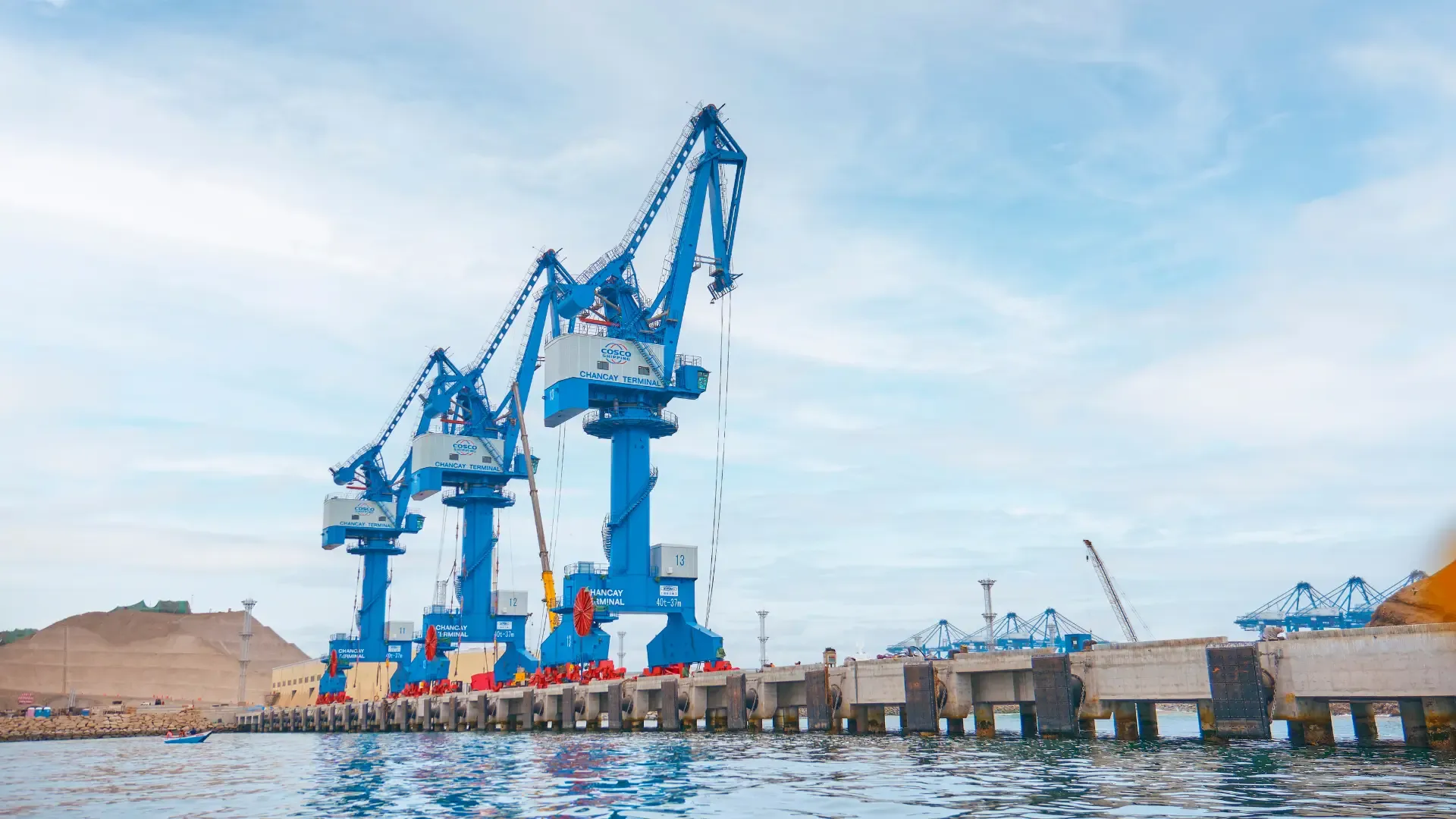
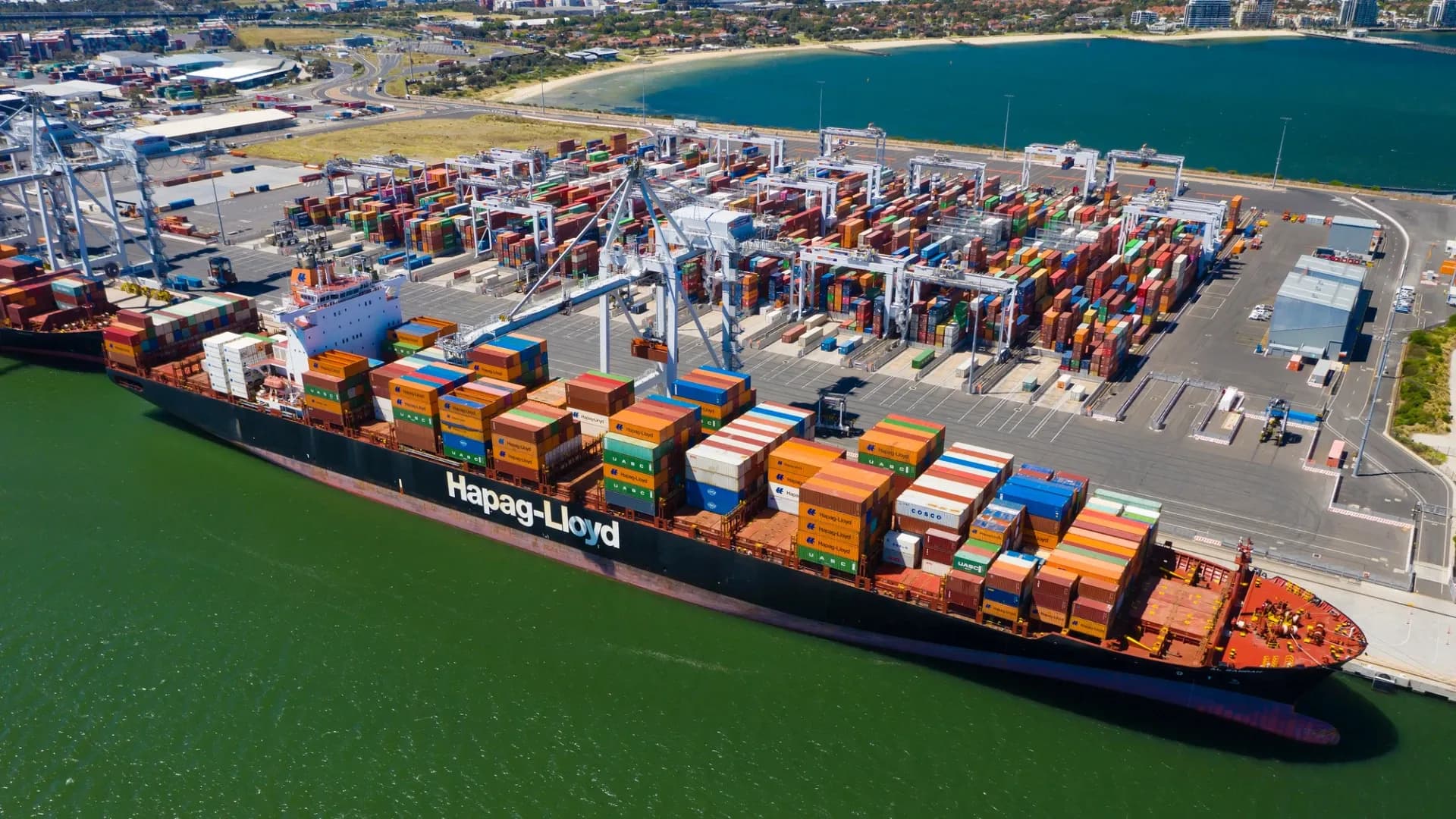
Improved transport connectivity is another important factor reshaping Pacific trade. Shipping has traditionally represented one of the greatest challenges for island economies, where limited freight options often increase costs and reduce competitiveness. Regional efforts to strengthen maritime logistics and improve shipping links are gradually reducing these barriers. Enhanced shipping routes and better coordination between ports are improving supply chain reliability while enabling exporters to serve overseas customers more efficiently.
Digital transformation is equally significant. Many Pacific businesses are embracing online marketplaces, cross-border e-commerce platforms and digital payment systems to overcome physical distance. Rather than relying solely on traditional export channels, entrepreneurs can now sell directly to international consumers through online platforms, social media and specialist retail websites. This shift has been particularly beneficial for artisan producers, premium food manufacturers and tourism-related businesses seeking to diversify their revenue streams.
Growing consumer demand for ethically sourced and environmentally sustainable products is also creating favourable conditions for Pacific exporters. Many island nations possess unique natural resources and traditional production methods that appeal to international buyers seeking authentic, environmentally responsible goods. Organic vanilla, sustainably harvested seafood, virgin coconut oil, cocoa, coffee and handcrafted products continue to gain recognition in premium global markets where quality often outweighs production scale.
Small island businesses are increasingly positioning themselves within the global blue economy, leveraging sustainable marine resources while maintaining environmental stewardship. Responsible fisheries, seaweed cultivation, marine biotechnology and ocean-based tourism services are attracting international investment and opening new export possibilities. As sustainability becomes a central consideration in global trade, Pacific economies have an opportunity to strengthen their competitive advantage by demonstrating responsible resource management.
Australia and New Zealand remain essential trading partners, but regional diversification is gathering pace. Exporters are exploring stronger commercial relationships with Southeast Asia, Japan, China and North America, supported by trade missions and business networking initiatives. Recent efforts to strengthen engagement between northern Australia and Southeast Asian economic blocs further demonstrate how regional trade corridors are expanding opportunities for businesses throughout the wider Pacific.
Agricultural innovation is another area experiencing notable progress. Farmers are investing in improved processing techniques, certification programmes and value-added manufacturing rather than exporting raw commodities alone. Producing branded finished goods allows businesses to capture greater value within the region while reducing dependence on volatile commodity prices. This strategy is particularly important for smaller economies seeking higher export earnings from limited production volumes.
Women-led enterprises and indigenous businesses are also benefiting from greater regional cooperation. Many export development programmes specifically support female entrepreneurs by providing financial literacy, digital skills training and access to international buyers. These initiatives are strengthening local communities while ensuring that economic growth is shared more broadly across Pacific societies.
Despite the encouraging outlook, challenges remain. High freight costs, climate-related disruptions, limited manufacturing capacity and access to finance continue to affect many exporters. Rising sea levels, stronger tropical storms and infrastructure vulnerabilities present ongoing risks for island economies that depend heavily on maritime transport. Addressing these structural challenges will require sustained investment in resilient infrastructure, renewable energy, digital connectivity and disaster preparedness.
Access to international standards and certification remains another hurdle for many SMEs. Meeting food safety regulations, sustainability requirements and product quality standards often requires technical expertise and financial investment. Continued cooperation between governments, regional organisations and development agencies will therefore remain essential in helping businesses navigate increasingly complex global supply chains.
Nevertheless, the long-term direction appears increasingly positive. Regional institutions are working to strengthen trade policies, improve customs efficiency and promote greater private sector participation. Combined with expanding digital commerce and stronger transport links, these efforts are gradually creating a more integrated Pacific economy capable of competing more effectively on the international stage.
International buyers are likewise recognising the unique value offered by Pacific producers. Consumers increasingly seek authentic stories, sustainable production methods and products with strong cultural heritage. Pacific businesses are well positioned to meet these preferences, particularly as global purchasing decisions become more focused on ethical sourcing and environmental responsibility.
Looking ahead, the success of Pacific trade networks will depend not only on infrastructure and policy reforms but also on continued investment in entrepreneurship, innovation and workforce development. As businesses embrace digital technologies, strengthen regional partnerships and expand into higher-value export sectors, small island economies are steadily building greater resilience against external economic shocks.
The Pacific has often been viewed as geographically distant from major global markets. Today, however, expanding trade networks are redefining that perception. Through stronger regional cooperation, improved logistics, digital innovation and targeted export support, small island businesses are gaining unprecedented access to international opportunities. While challenges undoubtedly remain, the region is demonstrating that strategic collaboration and sustainable growth can transform geographical isolation into a distinctive competitive advantage, creating a more prosperous future for Pacific exporters and the communities they serve.