
Europe’s Commercial Space Sector Enters a New Orbit as Investment Momentum Accelerates

The European Space Agency has also become increasingly focused on strengthening Europe’s independent launch capabilities.
Europe’s commercial space industry is entering one of the most transformative periods in its history, with fresh private capital, government-backed initiatives and institutional investors converging to reshape the continent’s position in the global space economy. After years of trailing the United States in private space investment, European companies are now attracting unprecedented financial backing as investors recognise the commercial potential of satellite communications, Earth observation, launch services, defence technologies and in-orbit infrastructure.
The renewed momentum reflects more than investor enthusiasm. It marks a strategic shift in how Europe views space-as a vital economic sector, a pillar of technological competitiveness and an increasingly important element of national and regional security. Recent investments demonstrate that European governments and financial markets are no longer treating space purely as a scientific endeavour but as an industry capable of generating long-term economic returns.
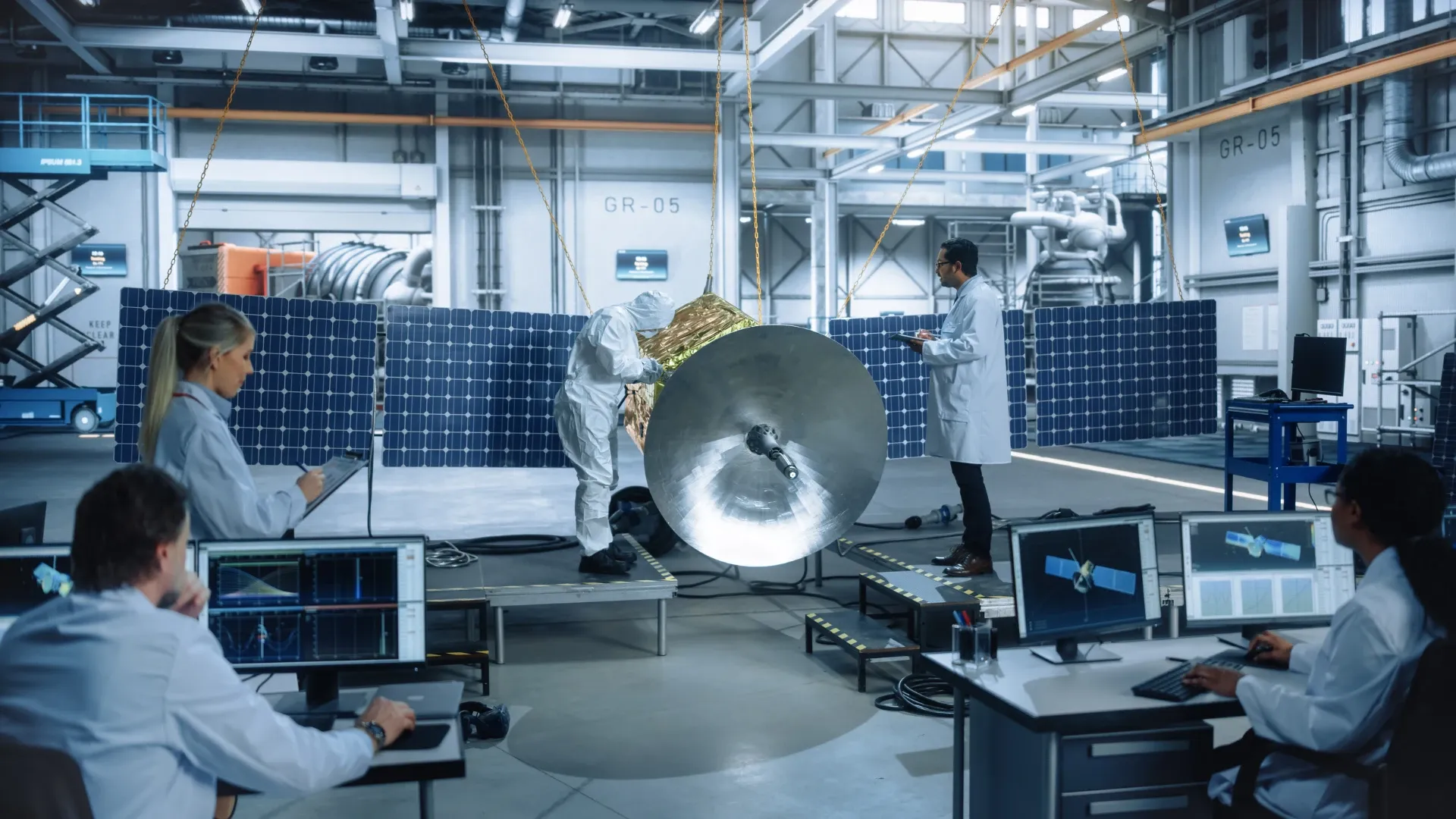
One of the strongest indicators of this confidence came from German satellite manufacturer OHB, which announced a significant share offering alongside investment firm KKR. The transaction is expected to raise more than €500 million in new capital while substantially increasing the company’s public market liquidity. The move underlines growing institutional appetite for European space assets at a time when global investors are actively seeking exposure to aerospace and satellite technologies.
The timing is particularly notable. Interest in commercial space companies has intensified worldwide following renewed optimism surrounding the global space economy and stronger equity market valuations for aerospace businesses. European firms, many of which have historically traded below comparable American companies, are increasingly viewed as attractive opportunities because they combine advanced engineering capabilities with relatively conservative valuations.
Venture capital is also flowing into Europe’s expanding ecosystem of space technology start-ups. According to recent industry data, European space technology companies raised more than $1.1 billion during the first five months of 2026 alone, putting the sector on course for a record year that could nearly double investment levels compared with 2025. Funding is supporting businesses developing launch vehicles, satellite manufacturing, Earth observation platforms, propulsion systems, artificial intelligence applications and orbital logistics.
This growth reflects a broader evolution in Europe’s innovation landscape. Investors are increasingly attracted by businesses capable of serving both commercial and government customers, particularly as satellite-based communications, climate monitoring and secure data infrastructure become essential components of modern economies.
Government policy is playing a decisive role in encouraging private investment. European institutions have steadily expanded programmes designed to reduce financing gaps for emerging space companies. Initiatives such as the European Commission’s CASSINI programme continue to improve access to venture capital while supporting start-ups through accelerators, innovation funding and technology demonstration opportunities. These mechanisms are helping bridge the challenging transition from research and development into commercially scalable businesses.
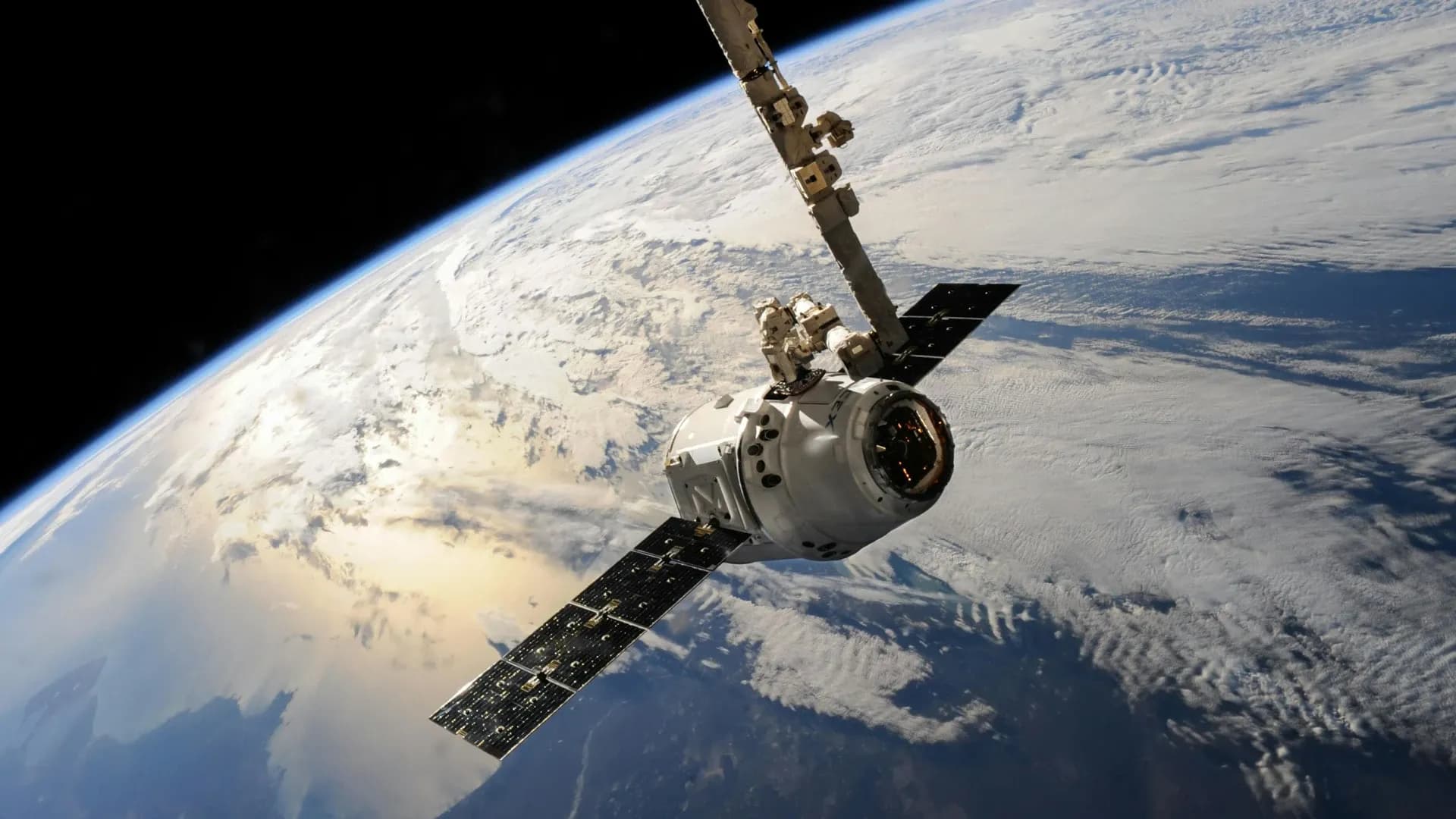
The European Space Agency has also become increasingly focused on strengthening Europe’s independent launch capabilities. Through programmes such as the European Launcher Challenge, the agency aims to stimulate competition among private launch providers while ensuring Europe maintains sovereign access to space. The initiative has attracted multiple commercial launch companies seeking contracts that could significantly accelerate their growth over the coming decade.
Security considerations have further strengthened the investment case. Russia’s invasion of Ukraine, heightened geopolitical uncertainty and changing international alliances have encouraged European governments to prioritise strategic autonomy across critical technologies. Space infrastructure now sits alongside energy, semiconductors and artificial intelligence as an area requiring greater domestic capability.
That changing strategic environment has prompted European policymakers to advocate increased investment in home-grown satellite networks, launch systems and secure communications. European Space Agency Director General Josef Aschbacher recently argued that Europe must become a leader rather than a dependent partner in future space exploration, emphasising the need for stronger autonomous capabilities following uncertainty surrounding several international collaborative programmes.
Commercial opportunities are expanding simultaneously. Satellite constellations are supporting broadband connectivity, precision agriculture, disaster response, maritime navigation and environmental monitoring. Businesses increasingly rely on satellite-derived data to improve logistics, infrastructure management and climate resilience. As demand continues to grow, European companies are positioning themselves across multiple segments of the value chain rather than concentrating solely on spacecraft manufacturing.
Defence applications are adding another powerful source of demand. Investment in dual-use technologies capable of serving both civilian and military customers has accelerated sharply across Europe. Satellite imagery, secure communications, autonomous systems and advanced surveillance technologies have become increasingly attractive to investors seeking businesses with diversified revenue opportunities and long-term government contracts.
Financial markets are beginning to recognise this broader commercial opportunity. Analysts note that while American companies continue to dominate global space investment, European firms often possess strong technological capabilities without carrying similarly elevated valuations. This valuation gap is encouraging institutional investors to consider European space companies as attractive long-term investments, particularly given expanding government support and improving commercial prospects.
Nevertheless, challenges remain. Europe still trails the United States in overall venture capital availability, late-stage financing and the speed at which innovative companies can scale internationally. Regulatory complexity, fragmented national markets and differing procurement practices can slow commercial expansion compared with larger, more unified markets.
Competition is also intensifying globally. The United States continues to benefit from a mature venture capital ecosystem and large defence budgets, while China is rapidly expanding investment into commercial space technology through substantial public and private funding. European companies must therefore balance innovation with speed if they are to maintain international competitiveness.
Despite these pressures, Europe’s outlook appears increasingly positive. Strong engineering expertise, expanding institutional support, growing investor confidence and rising commercial demand are creating conditions for sustained growth across the continent’s space economy. Rather than relying exclusively on public funding, European companies are successfully attracting mainstream financial investors willing to back ambitious commercial expansion.
The sector’s evolution also reflects changing perceptions among global investors. Space is no longer viewed solely as a speculative frontier dominated by a handful of headline-grabbing companies. Instead, it is becoming an increasingly diversified industrial ecosystem encompassing communications, data services, manufacturing, cybersecurity, transportation and defence.
For Europe, this transition represents both an economic opportunity and a strategic necessity. Continued investment will be essential to strengthen technological sovereignty, develop globally competitive companies and ensure the continent secures a meaningful share of an industry expected to expand substantially over the coming decades.
As capital continues flowing into launch providers, satellite manufacturers, infrastructure developers and emerging space technology specialists, Europe’s commercial space industry appears well positioned to enter a new era-one defined not only by scientific achievement but by sustainable commercial growth, stronger international competitiveness and increasing investor confidence.