

The €300 Billion Retail Revolution: How AI Is Reshaping Europe’s Growth Story

The scale of this opportunity is encouraging retailers, investors and technology providers to accelerate spending on digital transformation programmes that place AI at the centre of business strategy.
Artificial intelligence is no longer a future ambition for European retailers; it is rapidly becoming the engine of a new era of growth, investment and competitiveness. Across the continent, retailers are deploying AI technologies to transform everything from warehouse operations and supply chain management to customer engagement and personalised shopping experiences. What was once viewed as an experimental technology has evolved into a strategic necessity, with industry leaders now recognising AI as one of the most significant commercial opportunities of the decade.
Recent industry research suggests that AI could unlock between €240 billion and €320 billion in value for European retail, creating one of the largest productivity and growth opportunities the sector has witnessed in decades. The scale of this opportunity is encouraging retailers, investors and technology providers to accelerate spending on digital transformation programmes that place AI at the centre of business strategy.
European retail has entered a period of profound change. Consumers increasingly expect seamless shopping journeys across physical stores, mobile applications and online platforms. At the same time, retailers face mounting pressure from rising operating costs, complex supply chains, labour shortages and fierce competition from global e-commerce giants. AI is emerging as a powerful solution to these challenges.
One of the most immediate benefits can be seen in operational efficiency. Retailers are using machine learning systems to forecast demand more accurately, helping businesses maintain optimal inventory levels while reducing costly stock shortages and excess inventory. AI-powered forecasting tools analyse vast quantities of historical sales data, weather patterns, consumer behaviour and market trends, allowing retailers to make faster and smarter decisions. Industry estimates suggest that AI-driven inventory optimisation can significantly reduce stockouts while lowering operational costs across retail networks.
Supply chains have become another major area of investment. Following years of disruption caused by geopolitical tensions, inflationary pressures and shifting consumer demand, retailers are prioritising resilience and flexibility. AI systems now monitor supply chains in real time, identify bottlenecks, optimise transport routes and improve warehouse productivity. Predictive analytics can anticipate potential disruptions before they occur, allowing businesses to respond proactively rather than reactively.
The emergence of agentic AI is taking this transformation even further. Unlike traditional software, these systems can perform complex tasks autonomously, helping retailers manage inventory rebalancing, pricing decisions and supplier coordination with minimal human intervention. Industry surveys indicate that a growing number of retailers are either deploying or actively evaluating these advanced AI capabilities as part of their future operating models.
Investment in logistics infrastructure is also accelerating. Major global retailers operating in Europe are increasingly integrating AI-powered robotics into fulfilment centres to improve speed, accuracy and cost efficiency. Advanced warehouse robots can now identify tasks, prioritise workloads and navigate facilities with greater autonomy than previous generations of automation technology. These investments are designed not only to improve productivity but also to support the growing demand for same-day and next-day delivery services across European markets.
While operational efficiency remains a key driver, customer experience is becoming the most visible face of AI adoption. Retailers are investing heavily in personalised shopping tools that help consumers discover products more easily and make more informed purchasing decisions. AI-powered recommendation engines, virtual shopping assistants and conversational commerce platforms are becoming standard features across leading retail websites and mobile applications.
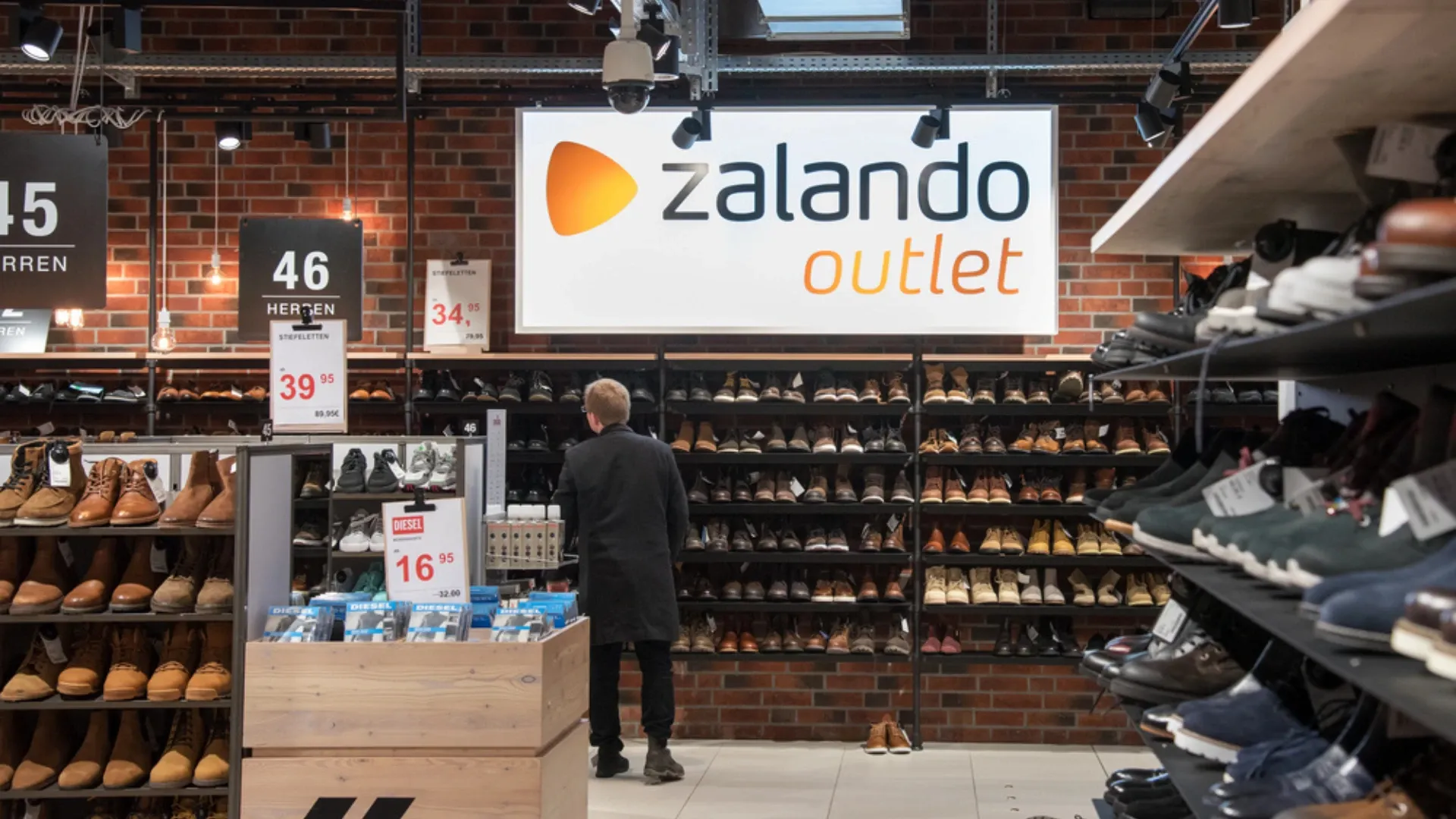
European fashion retailer Zalando provides a clear example of this trend. The company has reported strong growth supported by AI-driven initiatives, including its AI-powered fashion assistant and automated content generation systems. These technologies have improved customer engagement while simultaneously accelerating the publication of product information across its platform. The result has been greater operational efficiency combined with enhanced customer satisfaction.
Similarly, retailers across Europe are embracing semantic search technologies that allow customers to find products using natural language rather than specific keywords. This creates a more intuitive shopping experience and increases the likelihood of successful purchases. Investments in enriched product data, personalised recommendations and AI-enhanced search functions are becoming critical competitive differentiators in an increasingly crowded marketplace.
The financial implications are substantial. Market analysts project strong long-term growth for AI solutions within the European retail sector, supported by increasing adoption across both large enterprises and mid-sized retailers. Industry forecasts indicate that AI-related spending in European retail will continue to expand rapidly throughout the next decade as businesses seek higher productivity, improved margins and stronger customer loyalty.
Investors are paying close attention. Venture capital firms, private equity groups and institutional investors are directing capital towards companies developing AI-powered retail technologies. From order management systems and fulfilment software to customer analytics platforms, the ecosystem supporting retail AI is attracting significant funding. Recent investment activity demonstrates growing confidence that AI will become an essential component of retail infrastructure rather than an optional enhancement.
Yet the opportunity is not without challenges. Many retailers continue to face concerns around implementation costs, data governance, cybersecurity and workforce readiness. Smaller retailers, in particular, may struggle with the financial and technical requirements associated with large-scale AI deployment. Success increasingly depends on building strong digital foundations, integrating fragmented data systems and ensuring that AI initiatives remain aligned with customer needs and regulatory requirements.
Importantly, industry leaders are recognising that AI should enhance rather than replace the human element of retail. The most successful strategies combine technological innovation with human expertise, creating shopping experiences that are more personalised, efficient and trustworthy. This balance will be critical as retailers seek to maintain customer loyalty in an increasingly digital environment.
Europe’s retail sector stands at a defining moment. AI is no longer simply a technology investment; it has become a strategic growth lever capable of reshaping entire business models. From intelligent supply chains and autonomous logistics to hyper-personalised customer experiences, the technology is unlocking new sources of value across the retail landscape.
The race is now underway to capture what could become a €300 billion opportunity. Those retailers that invest early, build strong AI capabilities and successfully integrate innovation into their operations are likely to emerge as the winners of Europe’s next retail chapter. For investors, technology providers and retailers alike, the message is becoming increasingly clear: the future of European retail will be powered by artificial intelligence.