
Romania at the Strategic Frontier: Economic Opportunity and Fiscal Reality

The Romanian economy has entered 2026 facing slower growth than many policymakers anticipated. Inflationary pressures, fiscal tightening and weaker domestic consumption have created short-term headwinds.
Romania finds itself at a defining moment in its modern economic journey. Positioned on the European Union’s eastern frontier and NATO’s most strategically sensitive flank, the country is simultaneously managing fiscal pressures, pursuing ambitious economic development and emerging as a critical hub for European security investment. For international investors, Romania presents a compelling yet complex picture: a market offering substantial growth opportunities in infrastructure, technology and defence, while navigating the challenges of fiscal consolidation and macroeconomic adjustment.
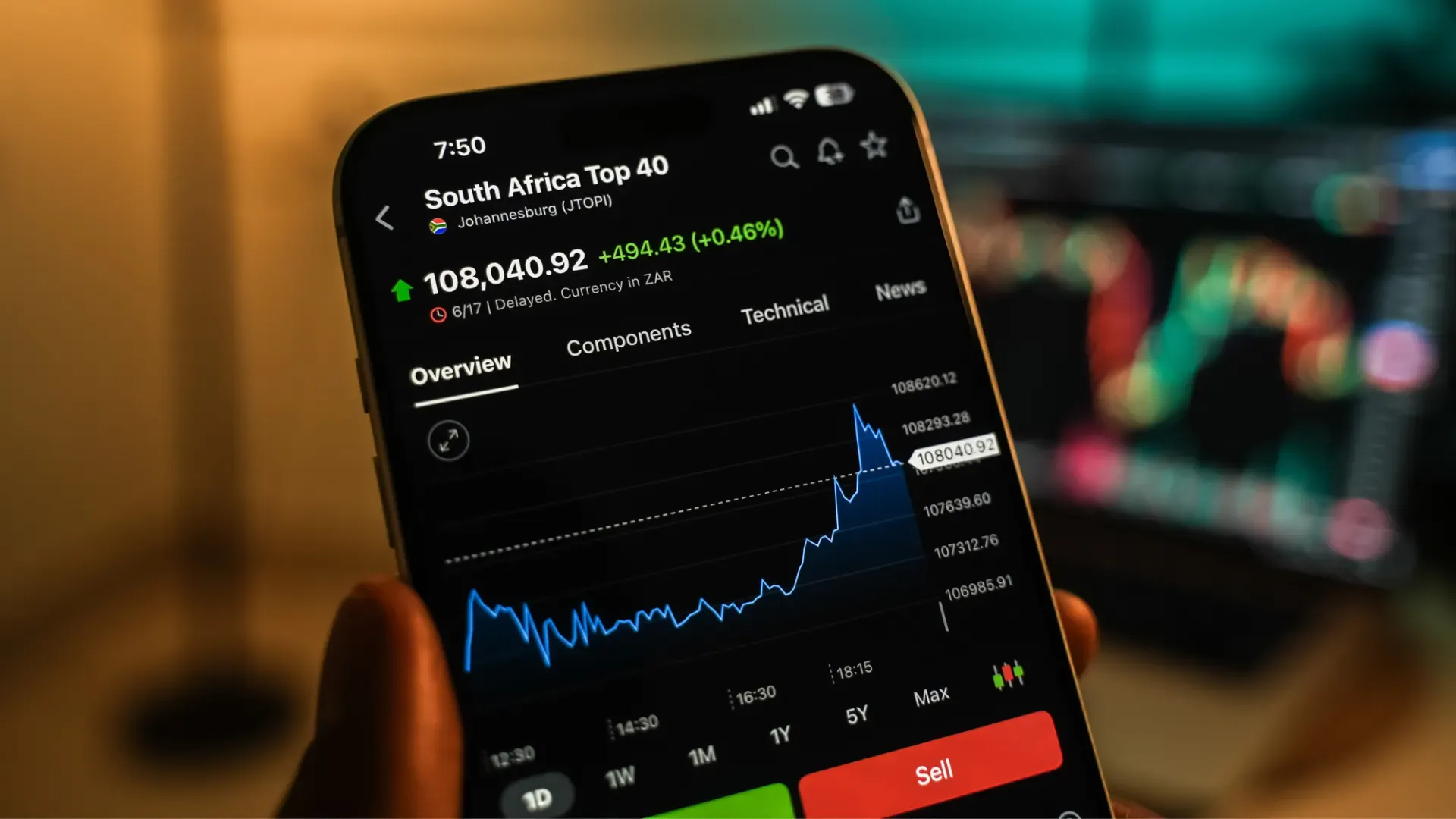
The Romanian economy has entered 2026 facing slower growth than many policymakers anticipated. Inflationary pressures, fiscal tightening and weaker domestic consumption have created short-term headwinds. Recent assessments from international institutions suggest that economic expansion will remain modest before recovering in the coming years, with investment expected to become the primary engine of growth. The country’s fiscal position remains under scrutiny, as authorities continue efforts to reduce a budget deficit that has exceeded European Union targets for several years. Nevertheless, the broader investment story remains remarkably resilient, largely because Romania continues to benefit from substantial European funding and an extensive pipeline of infrastructure projects.
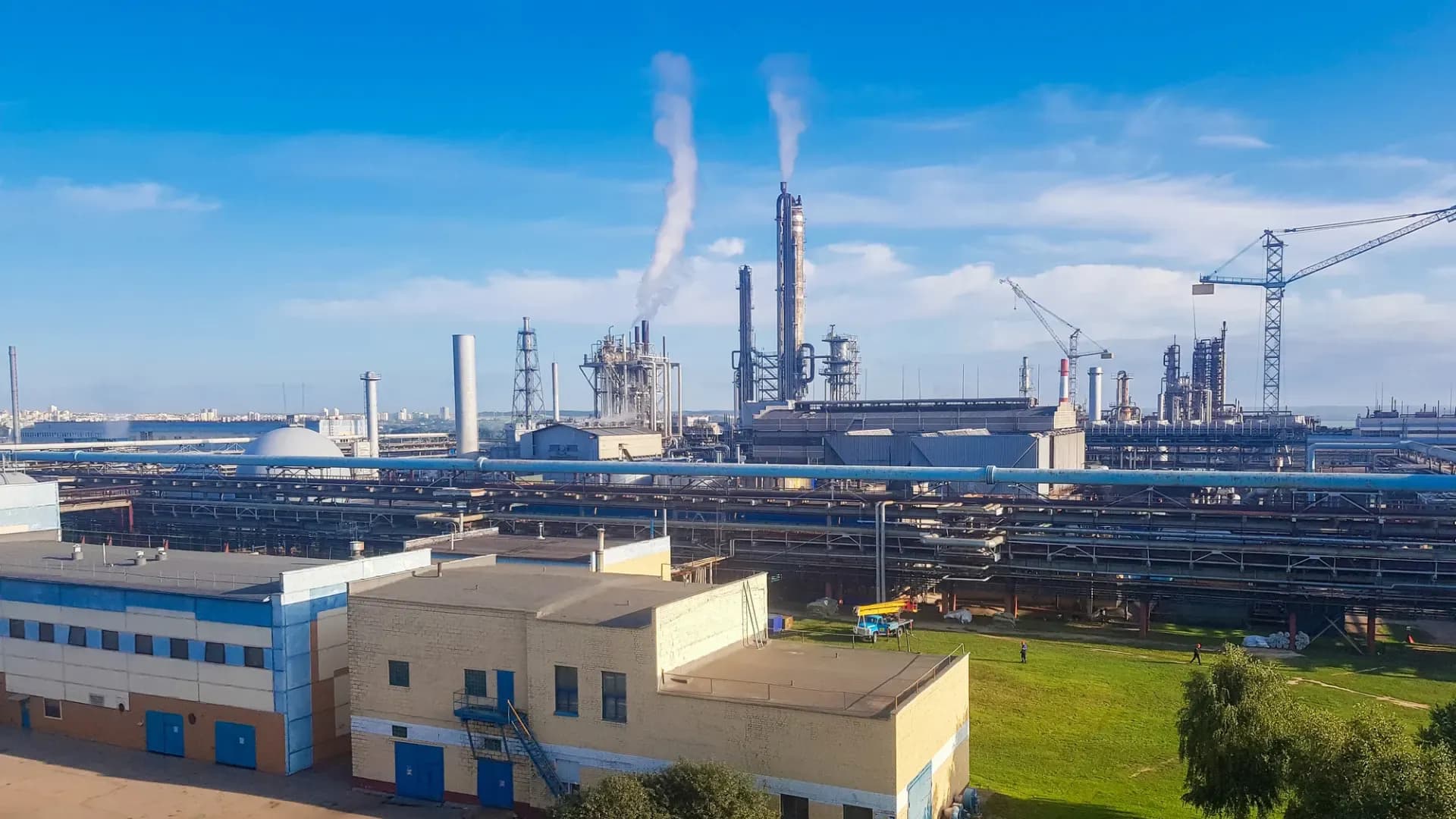
Infrastructure is arguably the strongest pillar supporting Romania’s long-term economic prospects. The government has committed record levels of public investment for 2026, with significant funding directed towards transport corridors, rail modernisation, energy networks and digital infrastructure. Much of this spending is backed by European Union programmes and recovery funds, reducing the financing burden on the national budget while accelerating the country’s integration into broader European supply chains. Improved connectivity across the Black Sea region and Central Europe is expected to enhance Romania’s role as a logistics gateway linking Western Europe with Eastern markets.
The technology sector continues to provide another bright spot for investors. Romania has steadily developed a reputation as one of Eastern Europe’s most dynamic digital economies. Strong engineering talent, competitive labour costs and growing venture capital activity have attracted multinational technology firms and outsourcing providers. Cities such as Bucharest, Cluj-Napoca and Timișoara have evolved into important centres for software development, cybersecurity services and digital innovation.
However, Romania’s economic opportunity cannot be assessed independently from its fiscal realities. Persistent budget deficits and rising public debt have prompted calls for continued fiscal consolidation. Investors are closely monitoring government efforts to strengthen tax collection, improve public spending efficiency and maintain access to European funding programmes. While fiscal reforms may create short-term constraints on consumption and public expenditure, successful implementation would enhance long-term economic stability and strengthen investor confidence. The challenge for policymakers is achieving consolidation without undermining the investment momentum that is currently driving growth.
Yet the most transformative opportunity emerging in Romania may lie beyond traditional economic sectors. As geopolitical tensions continue to reshape Europe’s security architecture, Romania has become a focal point for NATO’s eastern defence strategy. Its location along the Black Sea, proximity to Ukraine and growing role within NATO have elevated the country from a regional economy to a strategic security platform.
Recent security incidents near Romania’s border have accelerated discussions around strengthening NATO’s defensive capabilities across the eastern flank. Allied governments are increasing investments in surveillance systems, radar networks, anti-drone technologies and air defence infrastructure. These developments are generating significant commercial opportunities for defence contractors, technology companies and specialised manufacturing firms operating within the broader security ecosystem.
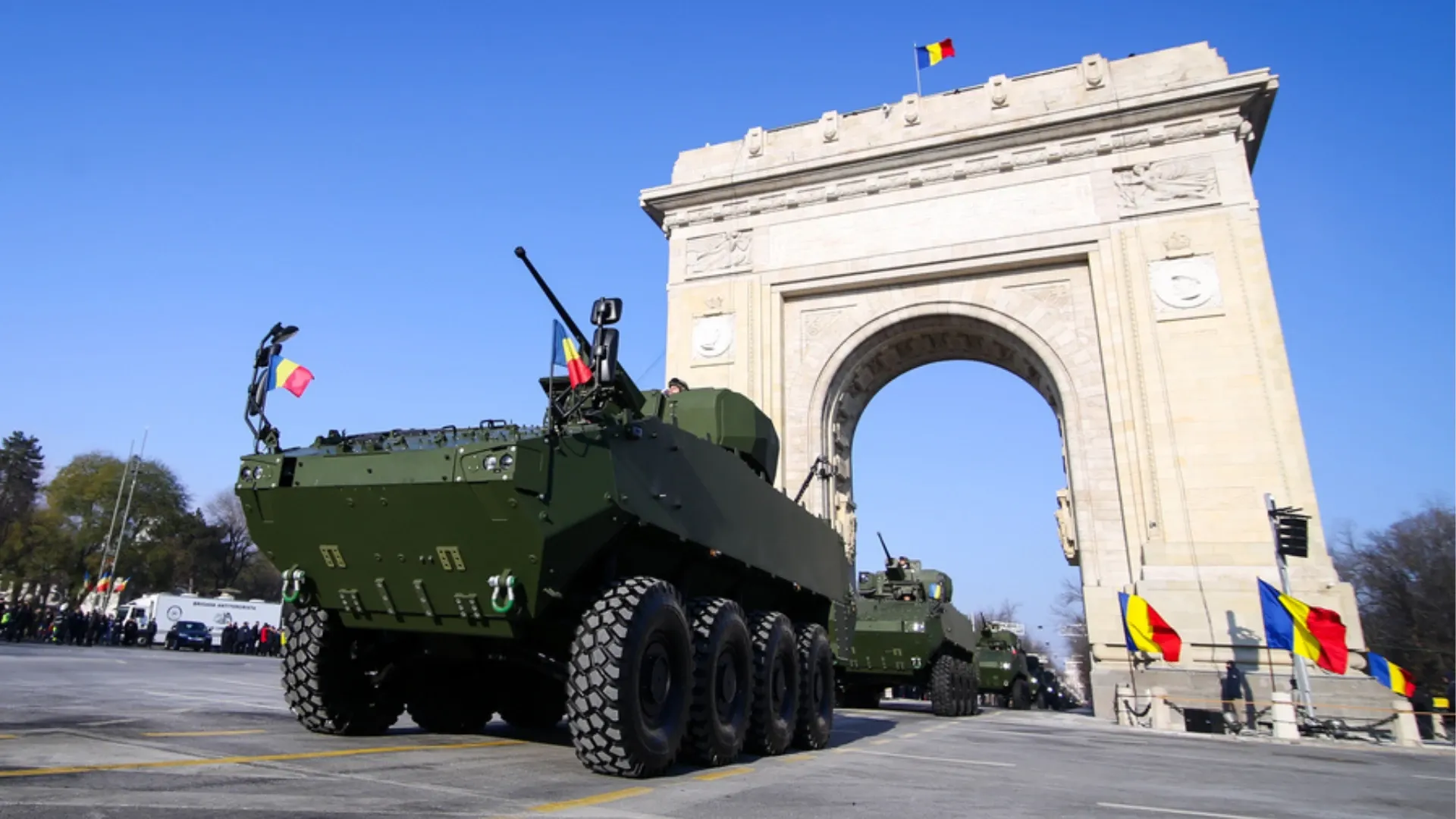
Defence procurement has become one of the fastest-growing segments of Romania’s investment landscape. The country has committed substantial resources to military modernisation, while European institutions have approved major financing programmes supporting new defence acquisitions. These initiatives encompass advanced air defence systems, armoured vehicles, naval assets and integrated command-and-control technologies. Such programmes are creating opportunities not only for global defence giants but also for local suppliers capable of integrating into increasingly sophisticated European defence supply chains.
Cybersecurity represents another rapidly expanding market. Modern defence increasingly depends on digital resilience, and governments across NATO are directing significant resources towards cyber protection, threat detection and secure communications. Romania’s established information technology sector places the country in a favourable position to capture a growing share of this investment. Domestic technology firms are increasingly finding opportunities to collaborate with international defence contractors and government agencies seeking advanced cyber capabilities.
The drone economy is also emerging as a particularly promising area. Lessons learned from the conflict in Ukraine have transformed military thinking about unmanned systems, creating demand for surveillance drones, counter-drone technologies and autonomous defence solutions. Romania’s industrial base, engineering expertise and strategic location make it an attractive destination for drone manufacturing and research activities. International defence companies are increasingly exploring local production partnerships, technology transfer arrangements and manufacturing investments designed to strengthen Europe’s indigenous defence capabilities.
Surveillance technologies are similarly experiencing heightened demand. Border monitoring systems, artificial intelligence-driven detection platforms, advanced sensors and integrated security networks have become essential components of NATO’s evolving defence posture. For technology companies operating in fields such as artificial intelligence, machine vision and data analytics, Romania offers access to a rapidly expanding market shaped by both national security priorities and wider European defence initiatives.
What distinguishes Romania from many other emerging European markets is the convergence of economic development and strategic security. Infrastructure projects increasingly serve both commercial and military purposes. Digital investments support economic competitiveness while enhancing cyber resilience. Manufacturing expansion strengthens industrial capacity while contributing to defence readiness. This overlap creates a unique environment where economic growth and security investment reinforce one another.
For international investors, the Romanian opportunity is therefore broader than conventional market analysis might suggest. While fiscal pressures and economic adjustments present legitimate risks, the country’s strategic importance within Europe continues to attract capital, policy support and long-term investment commitments. The combination of infrastructure expansion, technology sector maturity and defence modernisation provides multiple pathways for growth.
Romania’s future will ultimately depend on its ability to balance fiscal discipline with continued investment, maintain access to European funding and convert geopolitical relevance into sustainable economic advantage. If successful, the country may emerge not merely as an important Eastern European economy but as one of the most strategically valuable investment destinations in Europe. At the intersection of economic transformation and continental security, Romania stands at a crossroads where the business of growth and the business of defence are becoming increasingly inseparable.