

Cambodia at the Heart of APAC Infrastructure Revolution: Investment and Logistics Are Reshaping the Economy
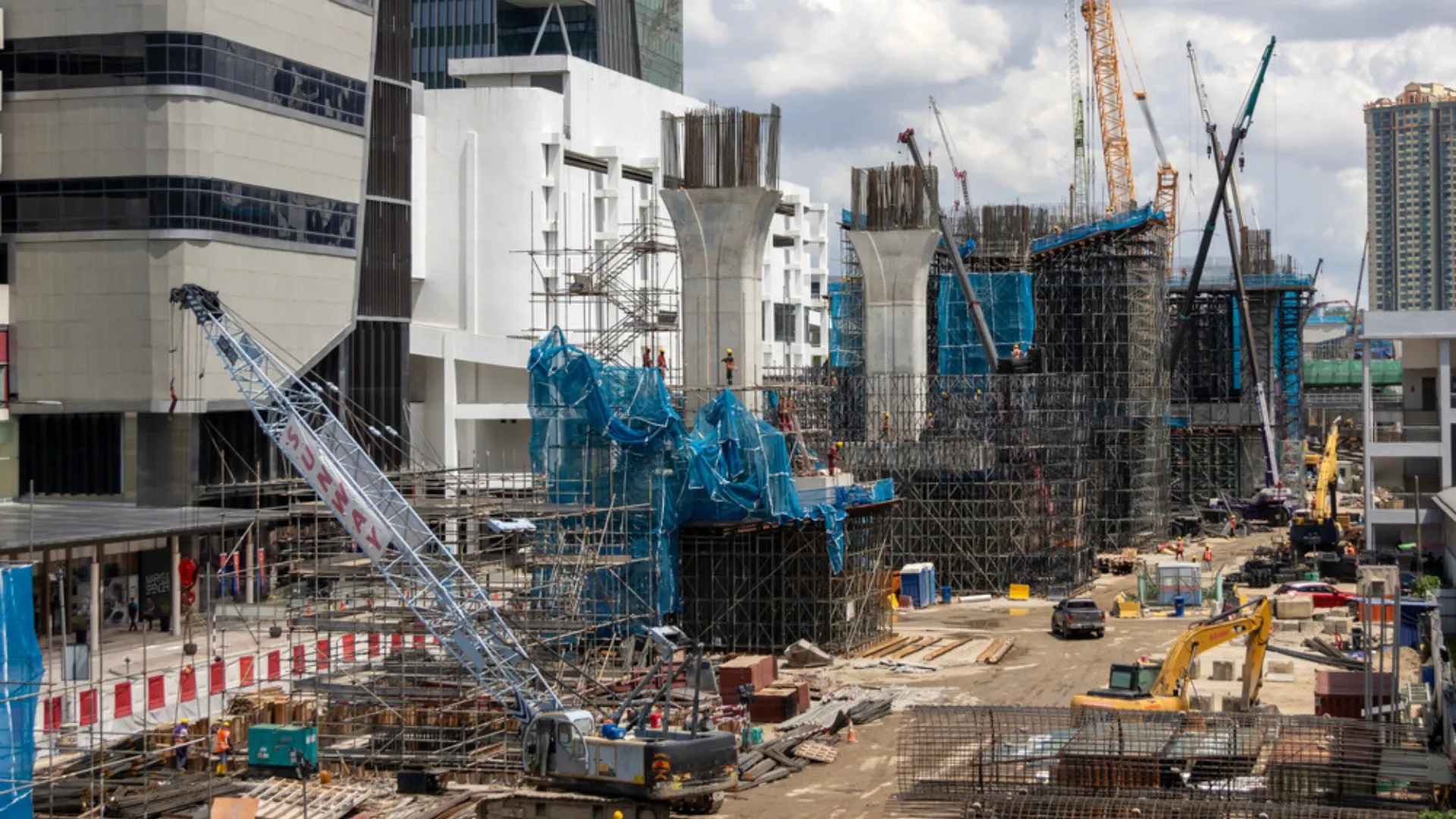

As regional infrastructure commitments approach tens of billions of dollars and major connectivity programmes gain momentum, Cambodia is emerging as a strategic beneficiary of the Asia-Pacific’s infrastructure revolution.
Across the Asia-Pacific region, a new era of infrastructure-led growth is unfolding. Governments, development banks and private investors are committing unprecedented levels of capital to transport networks, logistics systems, industrial corridors and digital connectivity projects designed to strengthen economic resilience and accelerate trade. At the centre of this transformation sits Cambodia, a country that has evolved from a frontier market into one of Southeast Asia’s most closely watched investment destinations.
As regional infrastructure commitments approach tens of billions of dollars and major connectivity programmes gain momentum, Cambodia is emerging as a strategic beneficiary of the Asia-Pacific’s infrastructure revolution. Record investment inflows, expanding trade corridors and ambitious logistics projects are positioning the country as a critical gateway between some of Asia’s fastest-growing economies.
The broader Asia-Pacific infrastructure transformation is being driven by a combination of economic necessity and geopolitical opportunity. Rapid urbanisation, growing middle-class consumption, supply-chain diversification and the need for climate-resilient infrastructure have encouraged governments and investors to prioritise long-term capital expenditure. Regional institutions increasingly view modern transport and logistics networks as essential foundations for sustaining economic growth and attracting foreign direct investment.
Within this regional landscape, Cambodia has established itself as one of the most dynamic growth stories. The country’s economic expansion has been supported by a deliberate strategy centred on infrastructure modernisation, industrial diversification and stronger integration into regional supply chains. Recent years have seen growing investor confidence across manufacturing, logistics, construction, technology and export-oriented industries, helping Cambodia maintain strong growth prospects while many economies continue to navigate global uncertainty.
A key driver behind this momentum has been the surge in investment inflows entering the Cambodian economy. The country has attracted significant commitments from regional and international investors seeking access to Southeast Asia’s expanding consumer markets and manufacturing ecosystems. Improved investment regulations, public-private partnership frameworks and targeted industrial policies have strengthened Cambodia’s appeal as a destination for long-term capital. Reports indicate that approved investment projects reached record levels in recent years, reflecting growing confidence in the country’s economic trajectory and infrastructure ambitions.
Infrastructure development has become the backbone of this investment narrative. Cambodia’s government has recognised that modern transport systems and efficient logistics networks are essential for moving beyond labour-intensive industries and building a more diversified economy. Major investments in roads, ports, airports and industrial zones are helping reduce transportation costs, improve market access and strengthen cross-border trade connectivity.
Perhaps the most significant aspect of Cambodia’s transformation is the expansion of its logistics and trade corridors. The nation occupies a strategically valuable position between Thailand and Vietnam, two of Southeast Asia’s largest manufacturing and export economies. This geographical advantage allows Cambodia to function as a vital link within the Greater Mekong Subregion and broader ASEAN supply chains. Policymakers have increasingly focused on leveraging this position through investments that connect domestic production centres with regional and global markets.
One of the most visible examples is the continued development of expressway networks and cross-border transport corridors. Enhanced road infrastructure is reducing travel times, improving freight efficiency and creating stronger connections between industrial hubs, ports and neighbouring countries. The ongoing expansion of transport corridors linking Cambodia with Vietnam and Thailand is expected to stimulate trade flows, support export growth and encourage new industrial investment along these routes.
The logistics sector itself is becoming an increasingly important contributor to economic growth. Demand for warehousing, distribution centres, cold-chain facilities and integrated supply-chain services has risen alongside manufacturing expansion and growing e-commerce activity. Investors are identifying opportunities not only in physical infrastructure but also in digital logistics technologies that can enhance efficiency and reduce costs across the movement of goods.
Cambodia’s port and maritime infrastructure also play a crucial role in this transformation. As regional trade volumes continue to rise, improving access to international shipping routes has become a strategic priority. Investments aimed at increasing port capacity and enhancing multimodal transport connectivity are expected to strengthen Cambodia’s competitiveness as an export platform and logistics hub. These developments are particularly significant for manufacturers seeking alternatives within diversified Asian supply chains.
Another important pillar of Cambodia’s growth strategy is the development of special economic zones. These industrial clusters have become magnets for foreign investment by offering improved infrastructure, streamlined administrative processes and access to regional trade networks. The expansion of such zones is helping Cambodia attract higher-value manufacturing activities while creating employment opportunities and boosting export capacity.
International development institutions have also intensified their support for Cambodia’s connectivity ambitions. Recent programmes focused on transport transformation, trade facilitation and corridor development aim to improve logistics efficiency, strengthen regional integration and stimulate private-sector participation. Such initiatives reinforce the view that infrastructure investment can generate broad economic benefits, including job creation, increased productivity and enhanced competitiveness.
Looking ahead, Cambodia’s challenge will be to ensure that rapid infrastructure expansion translates into sustainable and inclusive growth. Efficient governance, transparent project delivery, environmental resilience and continued regulatory reform will remain essential for maintaining investor confidence. At the same time, strengthening human capital and technological capabilities will be critical if the country is to maximise the economic value generated by its expanding logistics and trade networks.
Yet the direction of travel appears clear. The convergence of Asia-Pacific infrastructure investment, record capital inflows and ambitious logistics corridor development is creating a powerful growth platform for Cambodia. As regional trade patterns evolve and supply chains become increasingly interconnected, the country is positioning itself not merely as a participant in Asia’s economic transformation but as one of its emerging strategic centres.
In an era where connectivity increasingly defines competitiveness, Cambodia’s infrastructure and logistics revolution may prove to be one of Southeast Asia’s most consequential economic stories. The foundations being laid today have the potential to reshape the nation’s economic future for decades to come, while reinforcing its role within the wider Asia-Pacific growth narrative.