
The New Mega-Deal Era: Why M&A Activity Is Exploding Again


The new mega-deal era is being driven by a deeper shift in the global economy, where artificial intelligence, digital infrastructure, energy security, healthcare innovation and financial technology are redefining competitive advantage.
The global mergers and acquisitions market has returned with remarkable force in 2026, signalling the beginning of a new era of corporate consolidation unlike anything witnessed since the post-pandemic recovery years. After a prolonged period of cautious dealmaking shaped by inflation fears, higher interest rates, geopolitical uncertainty and strict regulatory scrutiny, boardrooms across North America, Europe and Asia are once again embracing transformative acquisitions with renewed confidence.
This resurgence is not simply about companies chasing scale. The new mega-deal era is being driven by a deeper shift in the global economy, where artificial intelligence, digital infrastructure, energy security, healthcare innovation and financial technology are redefining competitive advantage. Businesses are no longer acquiring rivals merely to expand market share. They are buying capabilities, data, infrastructure, talent and strategic resilience.
Industry analysts now believe that 2026 could become one of the most important years for high value dealmaking in more than a decade. According to several global advisory forecasts, the value of mergers and acquisitions (M&A) has accelerated sharply since late 2025, with megadeals above $5 billion dominating activity.
At the centre of this revival is the artificial intelligence boom. AI has become the defining force behind many of the world’s largest corporate transactions. Companies are racing to secure the computing infrastructure, semiconductor access, cloud networks and specialised talent needed to compete in an economy increasingly powered by machine learning systems and automated decision-making.
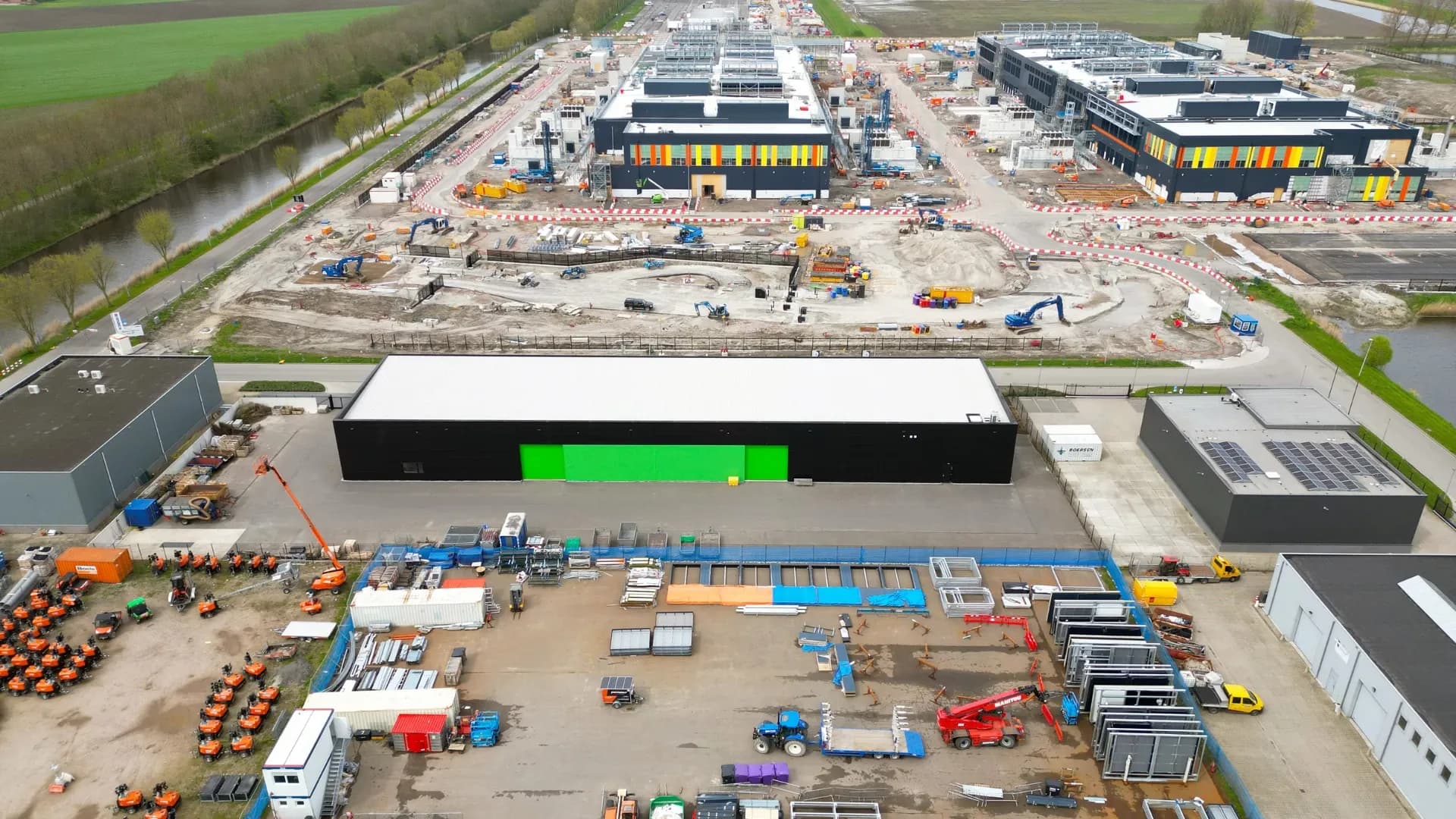
One of the clearest examples emerged this month when NextEra Energy agreed to acquire Dominion Energy in a deal valued at roughly $66.8 billion, creating one of the largest utility groups in the world. The transaction reflects how AI-driven electricity demand is reshaping corporate strategy. Vast data centre expansion across the United States has triggered unprecedented demand for reliable power generation and transmission capacity, forcing energy companies to seek greater scale and operational reach.
The significance of this deal extends far beyond the energy sector. It highlights how artificial intelligence is influencing industries that traditionally had little connection to Silicon Valley. Utilities, industrial suppliers, battery storage firms and infrastructure operators are suddenly finding themselves central to the AI economy. Investment banks now describe power infrastructure as one of the most valuable strategic assets in global business.
The financing environment has also improved dramatically. While interest rates remain higher than the ultra-cheap borrowing era of 2021, executives and private equity groups now have greater visibility around monetary policy. Stable financing conditions are encouraging companies to pursue larger and more ambitious transactions again.
At the same time, investors are rewarding companies that position themselves aggressively for long-term technological change. Convertible bond issuance linked to AI expansion has surged during 2026, with firms raising billions to finance acquisitions, data centre construction and infrastructure growth.
Private capital has become another powerful engine behind the revival. Global investment giants including BlackRock, Apollo Global Management and Blackstone are deploying enormous pools of capital into infrastructure, healthcare, digital platforms and energy transition projects connected to AI growth. These institutions increasingly view acquisitions as a faster and more secure path towards strategic dominance than building capabilities organically.
Healthcare is also witnessing a major return of consolidation activity. Pharmaceutical groups and biotechnology firms are under mounting pressure to strengthen drug pipelines, expand obesity treatment portfolios and accelerate digital healthcare innovation. Large healthcare acquisitions that stalled during previous regulatory crackdowns are now reappearing as companies attempt to secure long-term growth in ageing populations and AI-assisted medical services.
Financial technology is experiencing a similar wave of consolidation. Many smaller fintech firms that flourished during the low-interest-rate years are now struggling with profitability and regulatory pressures. Larger banking groups and payment networks are using acquisitions to absorb digital capabilities, strengthen cybersecurity infrastructure and expand open-banking ecosystems. Analysts increasingly believe that sub-scale fintech operators may disappear rapidly over the next two years as consolidation intensifies.
Another important factor behind the current M&A surge is geopolitics. Governments across the United States, Europe and parts of Asia are prioritising economic resilience, strategic industries and domestic supply chains. This has created powerful incentives for companies to secure local production capabilities, critical technologies and energy independence through acquisitions.
The result is a new form of strategic capitalism where national competitiveness and corporate expansion are becoming increasingly interconnected. Artificial intelligence infrastructure, semiconductor manufacturing, energy distribution and cybersecurity are now viewed not only as commercial assets but also as matters of economic security.
However, the new mega-deal era is not without risks. Regulators remain cautious about excessive market concentration, particularly in sectors involving data, healthcare and digital infrastructure. Although antitrust scrutiny has softened compared with previous years, governments are still likely to challenge transactions perceived to threaten competition or national interests.
There are also concerns that corporate valuations may once again become detached from economic reality. The excitement surrounding AI has pushed investors towards aggressive pricing assumptions, raising fears that some acquisitions could eventually resemble the overconfidence seen during the dotcom bubble. Financial analysts have already warned that companies pursuing acquisitions purely to satisfy AI market enthusiasm may face integration difficulties and disappointing returns later in the decade.
Yet despite these concerns, most market observers believe the momentum behind global M&A remains strong. Consulting groups tracking global transactions report that deal values are rising sharply even though the total number of deals remains relatively selective. This suggests that businesses are focusing on fewer but much larger and strategically important transactions.
Technology continues to dominate overall activity, but the broader story of 2026 is the expansion of dealmaking into sectors previously considered traditional or defensive. Energy utilities, industrial infrastructure groups, healthcare providers and financial institutions are all being transformed by the demands of artificial intelligence and digital modernisation.
In many ways, the global economy is entering a new corporate arms race. Businesses understand that the next decade will reward scale, infrastructure ownership, advanced data capabilities and technological integration. Acquisitions have therefore become less about opportunistic expansion and more about survival in an increasingly complex economic landscape.