
Food And Fragility: How Can Africa Combat The Food Security Problem?
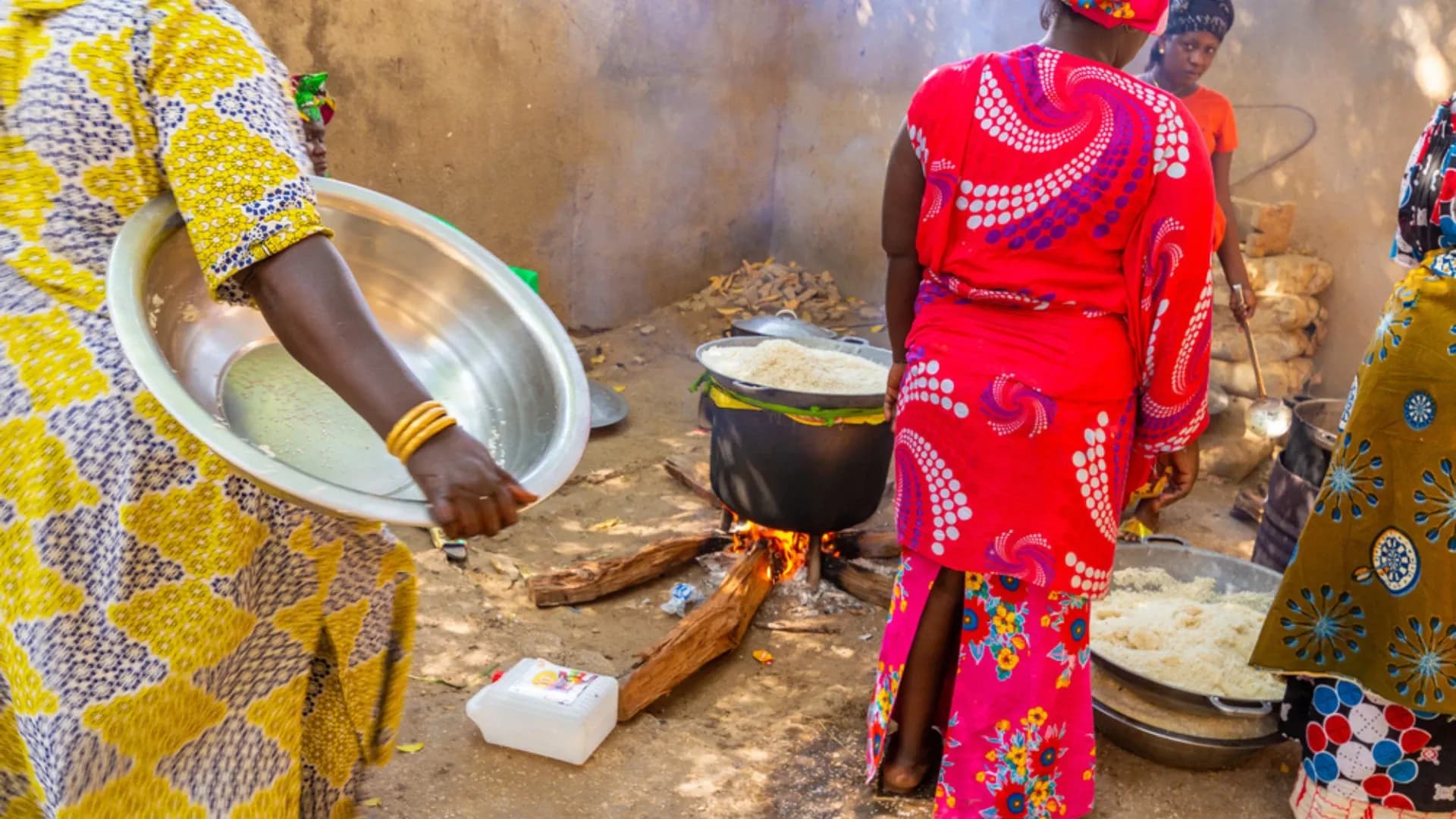

Food insecurity is a growing concern for several countries, and according to the Food and Agriculture Organisation (FAO), Africa is the most affected region.
Egypt and the International Islamic Trade Finance Corporation (ITFC) have signed a $1.5 billion loan agreement to support food and energy security in the country, with the General Authority for Supply Commodities (GASC) receiving $700 million, and $800 million has been allocated to the Egyptian General Petroleum Corporation.
This is not the first time Cairo officials have sought aid from the ITFC. Since 2008, the ITFC has approved over $24 billion to help fund the North African country’s energy sector, food security initiatives and support SMEs.
This also includes the $8.8 billion in funding to GASC to support Egypt’s food imports, particularly 12.6 million tons of wheat. The ITFC had also come to the country’s rescue by covering foreign oil companies’ arrears, which the government is set to repay by the end of June.
With a long-standing bread subsidy scheme of over $2.6 billion annually, which nearly 70 million citizens rely on, Egypt is one of the largest importers of wheat globally. In May, the government announced that it would soon end the subsidy program and replace it with cash transfers from July.
This loan comes at a crucial time for Egypt, as it grapples with the aftermath of the Iran crisis. This geopolitical turmoil has added to its existing pressures of having to navigate reforms under its $8 billion IMF programme. For Cairo, hot money inflows are a vital source of financing and gas imports are a major source of energy. Therefore, this war has added further chaos to an economy which was already on a fragile path to recovery and stability.
Food insecurity is a growing concern for several countries, and according to the Food and Agriculture Organisation (FAO), Africa is the most affected region. This proves that Egypt’s precautions to ensure there are no food shortages are decisions taken with much foresight. In March, the FAO published its Crop Prospects and Food Situation report, in which it explains that conflict and insecurity are the primary drivers of acute food shortage, with weather-related shocks making conditions worse in several regions.
The report highlighted that out of the 41 countries examined for food security, 31 of the most vulnerable are in Africa and require external assistance. Drought, irregular rainfall and ongoing conflicts have disrupted farming and livestock activities, thereby causing a shortfall in food production in these countries.
In Kenya, roughly 13% of the population was estimated to suffer from food insecurity between October 2025 and January 2026, as repeated droughts and harsh weather conditions have reduced livestock and agricultural outputs. This year’s reduced seasonal rainfalls are bound to worsen conditions. In Somalia, too, as the monsoons failed last year, 6.5 million people, or 33% of the country’s population, are food insecure.
Reduced agricultural production is not the only problem plaguing these countries. In Africa, limited access to food is also a major concern. Climate shocks and rising food prices could put around 1.14 million people in Burundi at risk of crisis-level food insecurity this year. Similarly, about 2.3 million people, 35% of the Central African Republic’s population, are projected to suffer severe food insecurity between April and August of this year due to the ongoing conflict and displacement.
Earlier this year, the United Nations World Food Programme (WFP) called for immediate action to ensure food security in the most vulnerable parts of the continent. The WFP warned that without urgent and adequate resources and action, a staggering 55 million people across West and Central Africa would be subjected to crisis-levels of hunger during the June–August 2026 lean season.
To ensure food security across Africa, there must be a steady flow of aid to the continent. The ongoing Iran crisis has unfortunately hampered this and is unlikely to be resolved any time soon. With the blockage of the Strait of Hormuz, it is no longer possible to access the vital medicines that enter Africa via Port Sudan.
Like the rest of the world, African countries are also struggling with rising oil prices, with fuel prices jumping nearly 40% since the Iran-Israel and US war broke out. As a result, the cost of all other humanitarian operations has also risen. These geopolitical upheavals have triggered a rapid cost-of-living crisis across Africa, with rising shipping and insurance costs, higher exchange rates and tighter regulations on fiscal policies.
With the conflict prolonging, shipping routes are likely to remain disrupted, adversely affecting the countries’ imports of energy and fertilisers. Reduced LNG supplies have impacted fertiliser production, limiting its availability during the crucial planting period up to May. International pressure on Iran is mounting to open the Strait, and countries like Italy have called for the opening of a ‘humanitarian corridor’ to allow for fertilisers and other essentials to pass through, to ensure a food disaster in an already precarious Africa is averted.
However, all is not lost. Scientists have suggested a solution to the continent’s food insecurity- a solution which will not only ensure adequate food is available to the African population, but also that this food is produced on African soil. Some crops have sustained the region’s food requirements for generations but have been systematically excluded from research and investment.
Having evaluated over 150 crops across various criteria like nutrition, climate resilience, market feasibility and economic impact, seven crops emerged. These include finger millet, amaranth, okra, pigeon pea, sesame, Bambara groundnut and taro. They are high in nutritional value and demonstrate above-average drought and heat tolerance. Most importantly, scientists argue that the cultivation of these crops must be pushed, as they are culturally embedded in African farming communities.
If Africa is to become self-reliant in its agro-production, it must prioritise crops which will tackle the food shortage problem head-on. Humanitarian and financial aid will continue to be sporadic and could dry up temporarily. Climate shocks will only worsen, further threatening the region’s agricultural output. Therefore, these countries must focus on producing climate-resilient crops which are not foreign introductions. This will be the first step towards ensuring food security in the continent.