
Germany 2026: Reinventing the Industrial Giant

Germany must modernise its automotive sector while preserving millions of manufacturing jobs. It must accelerate green industrial policies without allowing energy costs to undermine competitiveness.
Germany’s industrial economy is undergoing one of the most significant transformations in its modern history. Once defined by engineering certainty, low-cost Russian energy and export dominance in automobiles and machinery, Europe’s largest manufacturing nation is now rebuilding its industrial identity under entirely different conditions. The Germany of 2026 is no longer simply defending its industrial base; it is attempting to redesign it for a world shaped by electrification, artificial intelligence, geopolitical fragmentation and energy insecurity.
At the centre of this reinvention lies a difficult balancing act. Germany must modernise its automotive sector while preserving millions of manufacturing jobs. It must accelerate green industrial policies without allowing energy costs to undermine competitiveness. It must embrace AI-driven manufacturing fast enough to keep pace with the United States and China, while maintaining the precision and reliability that made “Made in Germany” a global industrial benchmark.
For decades, Germany’s industrial success rested on a highly efficient export model. Premium vehicles, industrial machinery, chemicals and advanced engineering products powered economic growth across Europe and beyond. However, the industrial assumptions that sustained that model have weakened dramatically since the energy crisis triggered by the war in Ukraine. Cheap pipeline gas disappeared; supply chains became unstable and Chinese competition intensified in sectors where German companies once held clear technological advantages.
By 2026, German industrial leaders openly acknowledge that the country faces structural rather than temporary challenges. The Federation of German Industries has warned that manufacturing output may stagnate again this year due to persistent energy costs, bureaucracy and geopolitical uncertainty. Industrial production has struggled since 2022, while capacity utilisation remains well below historic levels.
Germany’s car industry remains the backbone of the national economy, employing hundreds of thousands of workers directly and supporting an extensive supplier ecosystem across regions such as Bavaria and Baden-Württemberg. Yet the industry is confronting simultaneous disruption from electrification, software integration and Chinese EV competition.
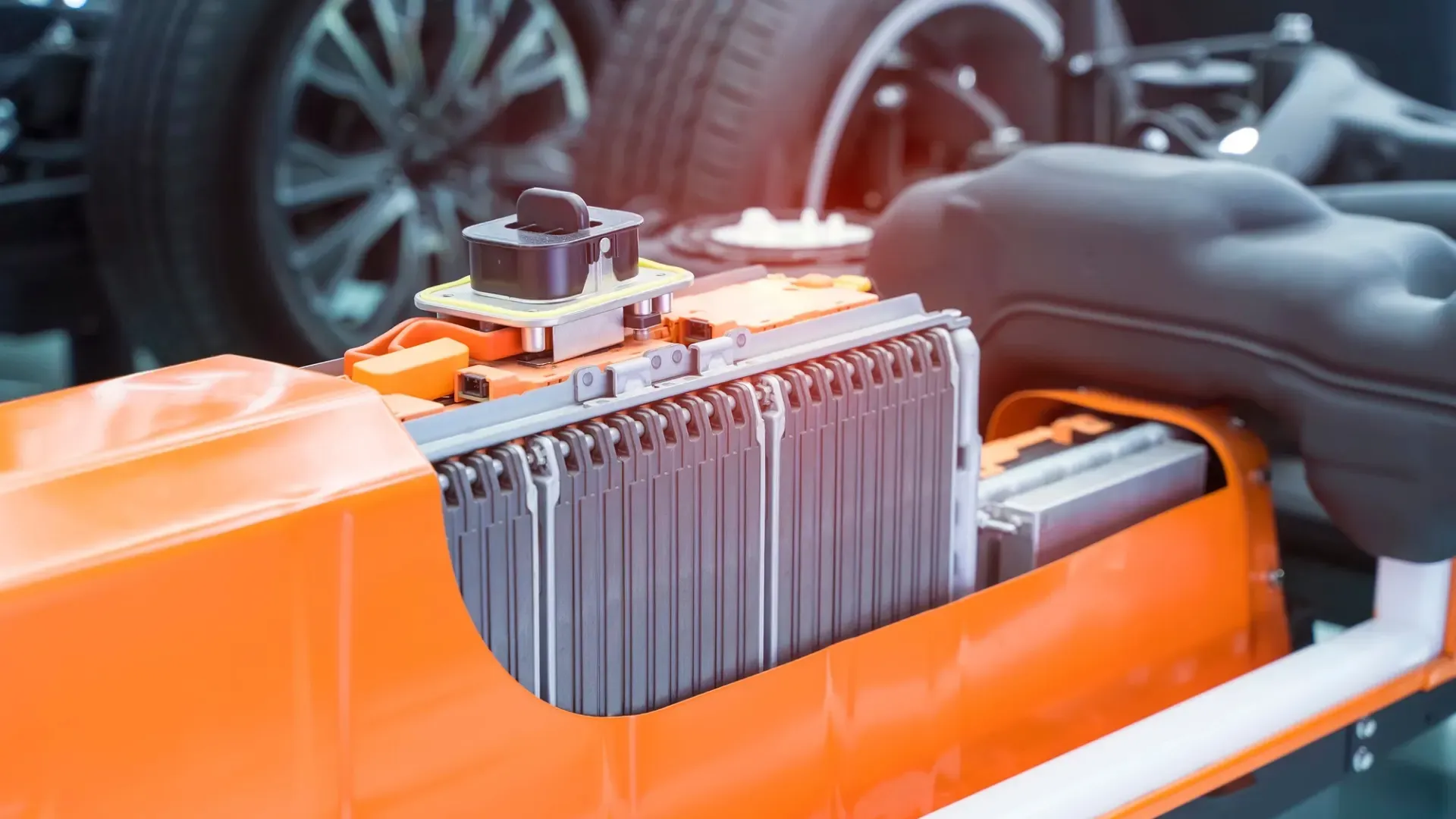
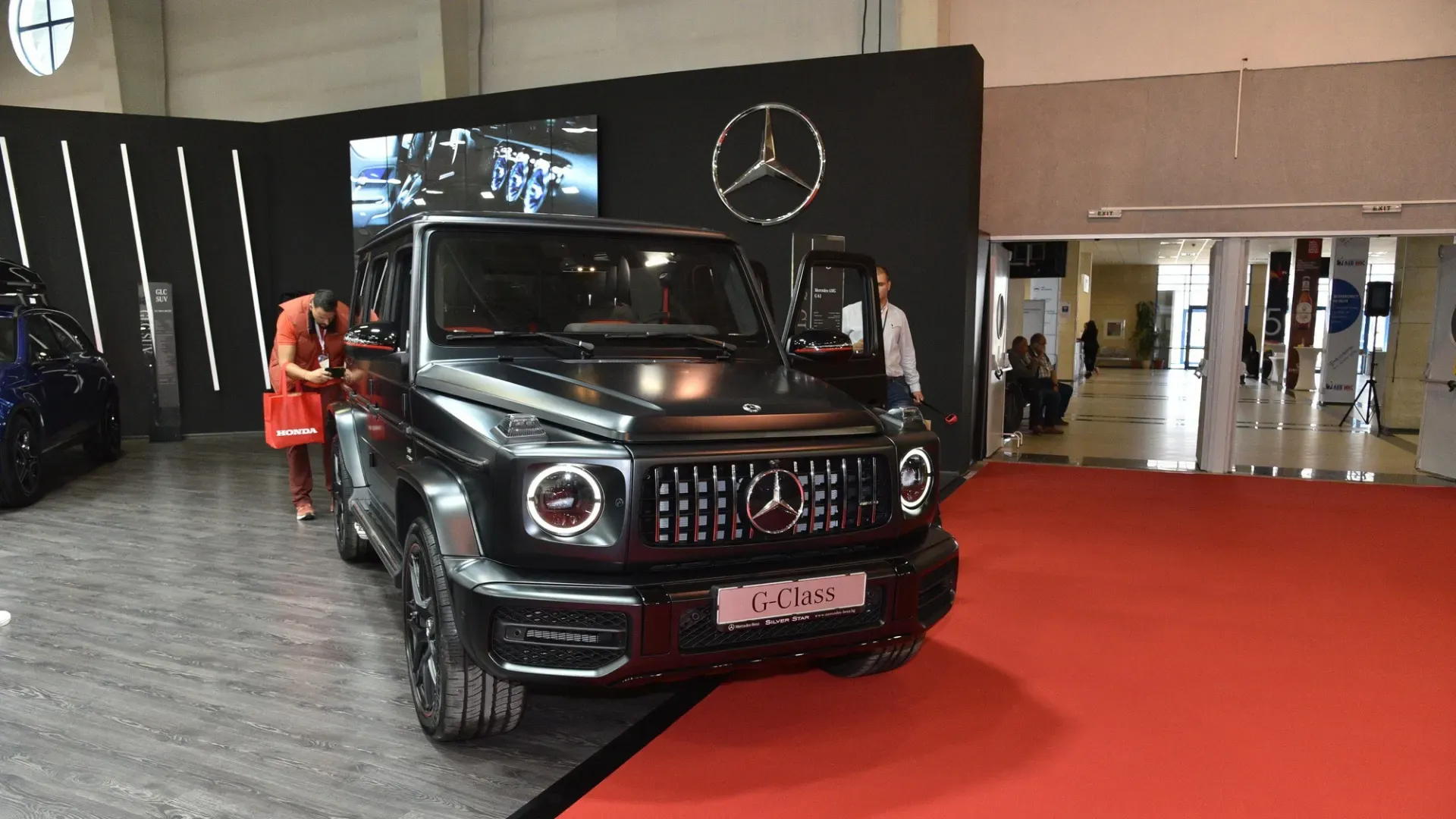
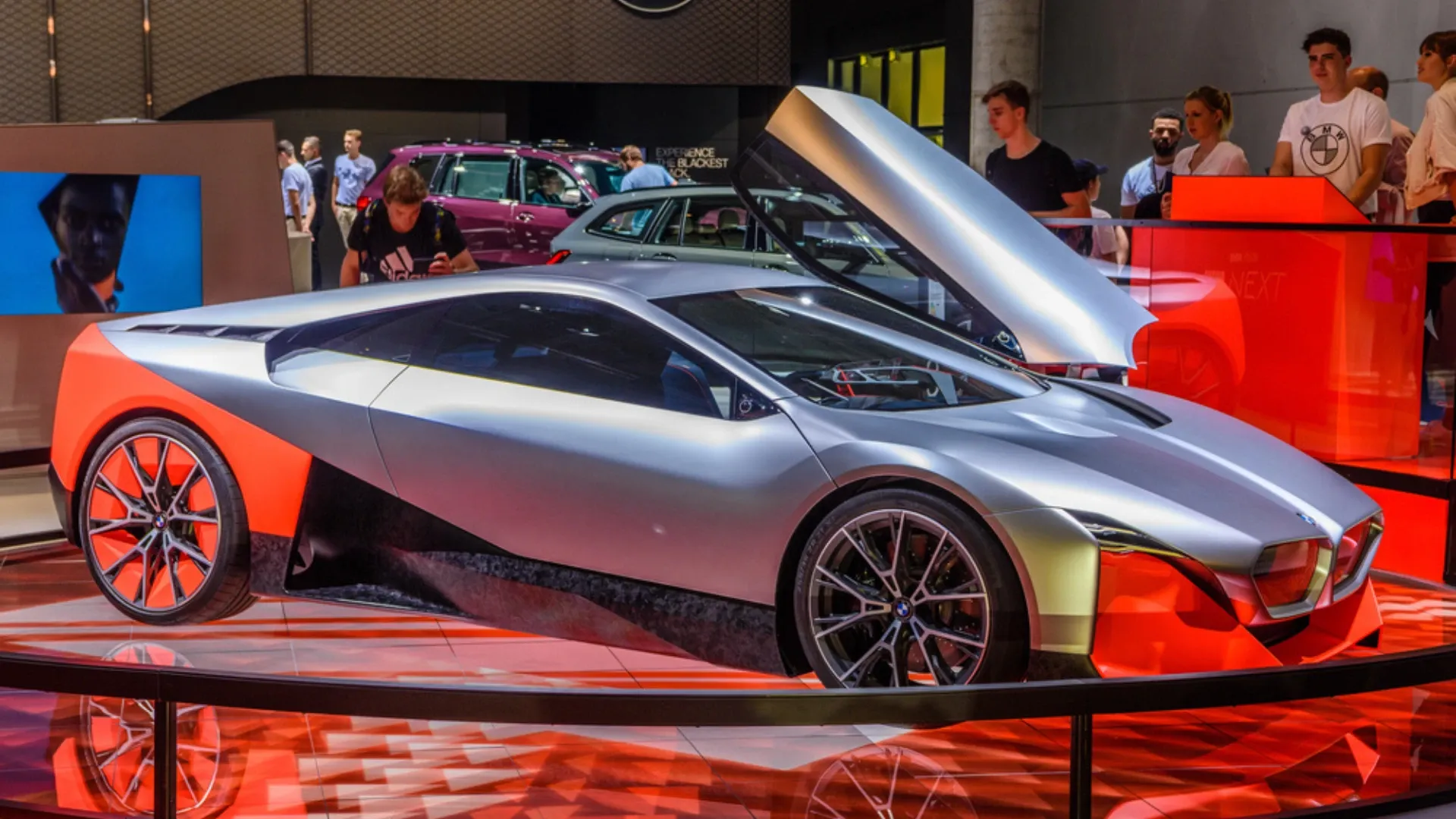
Traditional combustion-engine dominance is fading rapidly. Carmakers including Volkswagen, BMW and Mercedes-Benz are investing heavily in electric platforms, battery production and software-defined vehicles. Germany now accounts for roughly a quarter of Europe’s total EV-related investment, helping position the country as a central hub in Europe’s electric vehicle transition.
Yet this transition is proving economically painful. The German automotive lobby has described the sector as being in crisis, with investment and jobs increasingly moving abroad as manufacturers seek lower production costs and proximity to emerging EV markets. Suppliers, especially medium-sized firms that historically specialised in combustion-engine components, face enormous pressure to adapt their business models.
The automotive revolution is not simply about replacing petrol engines with batteries. It is fundamentally reshaping how vehicles are designed and manufactured. German factories are becoming software-centric production environments where AI, robotics and digital twins increasingly define operational efficiency.
At industrial exhibitions such as Hannover Messe 2026, German manufacturers have showcased how artificial intelligence is moving beyond experimentation into large-scale factory deployment. Industrial AI systems are now being integrated across supply chains, predictive maintenance systems, quality control processes and production planning environments.
Germany’s strength in advanced engineering gives it a natural advantage in this transition. Unlike purely digital economies, German industry possesses deep expertise in precision manufacturing, industrial automation and machine engineering. Companies such as Siemens are increasingly positioning themselves as industrial AI leaders, combining software capabilities with decades of operational manufacturing experience.
Digital twins, autonomous production systems and AI-driven robotics are becoming central to factory operations. BMW’s pilot deployment of humanoid robots at its Leipzig facility reflects how German manufacturers are experimenting with next-generation automation to improve productivity and offset labour shortages.
AI-driven manufacturing also offers Germany an important productivity solution at a time when demographic pressures threaten long-term industrial output. Germany’s ageing workforce has intensified concerns about labour shortages in engineering, logistics and factory operations. AI-assisted production systems could help manufacturers maintain output while reducing dependency on large industrial workforces.
However, industrial AI adoption is not without complications. German manufacturers remain cautious regarding cybersecurity, data governance and operational reliability. Industry researchers continue to highlight integration challenges between legacy industrial systems and new AI-driven platforms. Trustworthy AI, secure industrial data management and explainable automation remain critical concerns for manufacturers operating in high-precision industrial environments.
Alongside automotive disruption and AI integration, energy remains the defining industrial issue shaping Germany’s future.
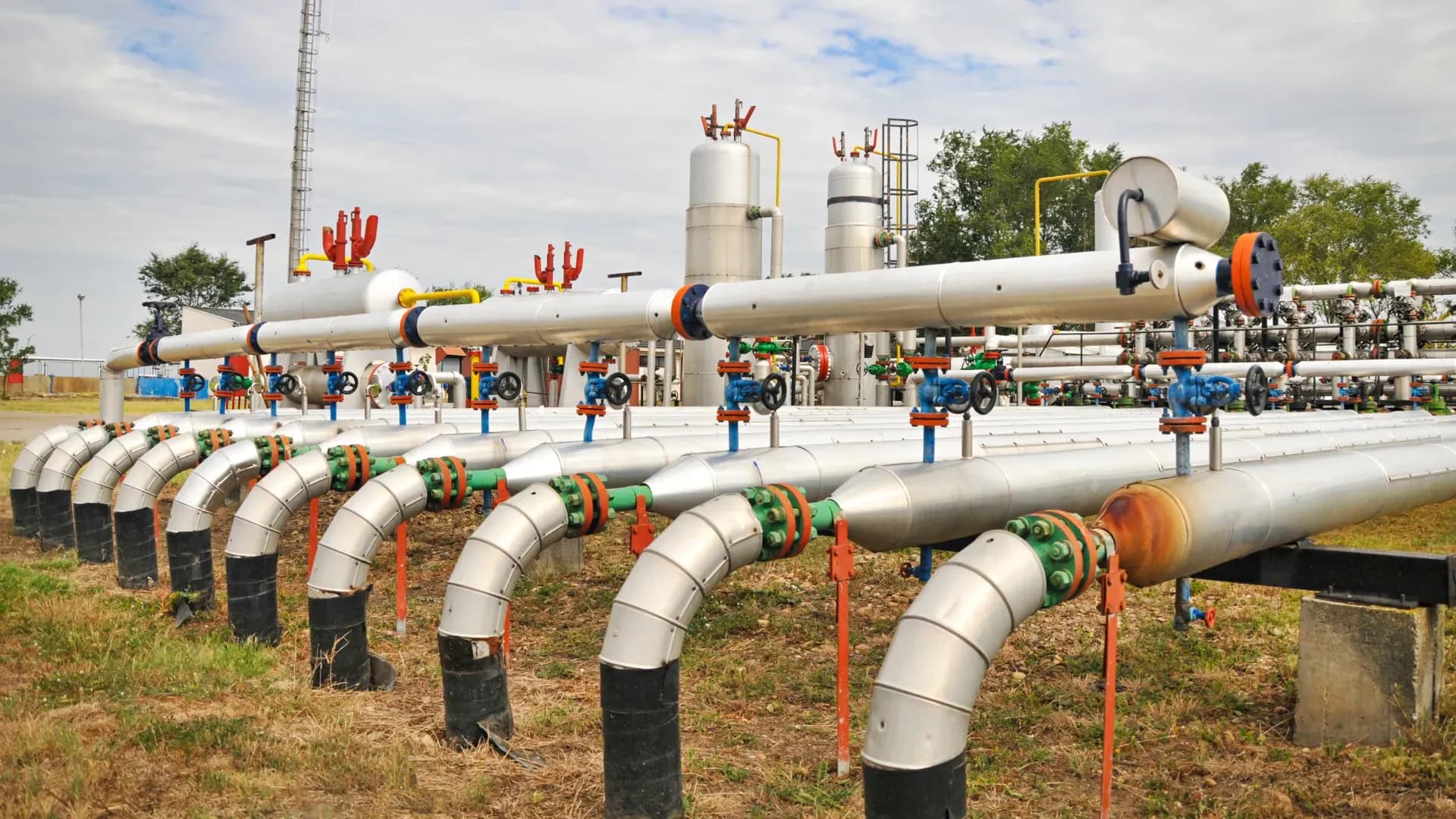
Before 2022, Germany’s manufacturing model benefited enormously from relatively affordable Russian gas imports. The collapse of that energy relationship fundamentally altered the economics of German industry. Heavy manufacturing sectors such as chemicals, steel, aluminium and industrial processing have faced sustained pressure from elevated electricity and gas prices.
Energy-intensive industries now confront difficult questions regarding long-term competitiveness. Some industrial investment is increasingly flowing towards regions offering lower power costs, particularly North America and parts of Asia. German business leaders continue to warn that energy prices remain one of the greatest threats to domestic industrial expansion.
In response, Germany is accelerating industrial decarbonisation efforts while simultaneously attempting to stabilise energy affordability. Government programmes supporting green hydrogen, renewable infrastructure and industrial decarbonisation are expanding rapidly. Berlin has also launched multi-billion-euro industrial decarbonisation initiatives aimed at helping energy-intensive sectors transition toward cleaner production systems without sacrificing competitiveness.
This dual strategy reflects a broader shift in German industrial policy. For years, Germany relied heavily on market mechanisms and fiscal restraint. The industrial pressures of the 2020s have pushed policymakers toward a more interventionist approach involving subsidies, strategic investment funds and industrial incentives designed to secure manufacturing capacity within Europe.
The result is a new industrial philosophy that combines climate policy, economic security and technological sovereignty.
Germany’s reinvention in 2026 is therefore not simply an industrial story; it is a geopolitical one. The country is attempting to reduce strategic dependence on foreign energy, foreign batteries and foreign digital infrastructure while remaining globally competitive in advanced manufacturing.
Success is far from guaranteed. Germany still faces slower economic growth, regulatory complexity and rising political tension surrounding industrial restructuring. Entire regions dependent on traditional automotive supply chains remain vulnerable to long-term employment disruption. Public frustration over economic uncertainty has also intensified domestic political pressures.
Yet despite these challenges, Germany retains enormous structural strengths. Its industrial ecosystem, engineering expertise, research institutions and advanced manufacturing capabilities remain among the most sophisticated in the world. The country’s Mittelstand companies continue to provide specialised industrial innovation across machinery, automation and precision engineering.