
Prices Rise And Growth Slows: Iran Crisis Hampers LatAm’s Growth Outlook

Goldman Sachs has forecast that a 10% rise in oil prices will push up LatAm’s inflation by nearly 30 basis points. The banks’ regional inflation forecast for this year was also revised from 7.8% to 8%.
Economic uncertainties triggered by the crisis in Iran, particularly the oil shortage felt worldwide with the closure of the Strait of Hormuz, have thrown any hope for short-term growth into jeopardy. With oil prices rising, inflation across the globe is also increasing, and Latin America is no different. Goldman Sachs reassessed the region’s macroeconomic performance and has warned that price pressures, which were initially limited to the energy sector, have now extended to fertilisers, chemicals and other industrial inputs.
The US bank updated its prediction for Brent crude prices earlier this month, suggesting that the benchmark would only drop to $90 per barrel by December 2026 and to $80 per barrel by the end of 2027, from an earlier estimate of $80 per barrel. The shift reflects a longer-lasting disruption to Middle Eastern energy flows as well as a slower-than-expected recovery in output. Because central banks in the area have not yet finished their cycles of deflation, the outcome for LatAm is a higher-for-longer oil price situation.
Goldman Sachs has forecast that a 10% rise in oil prices will push up LatAm’s inflation by nearly 30 basis points. The banks’ regional inflation forecast for this year was also revised from 7.8% to 8%. However, inflation rates are not evenly distributed across the countries in the region, as there are differences in energy exposure, subsidy policy and exchange rate pass-through.
Argentina takes the lead in revision with a 29% increase, resulting in a 100 basis point rise. Following Argentina with a considerable gap are Colombia, forecast at 6.5%, up 20 basis points, while Chile is revised to 4.2%, up 40 basis points. Mexico’s yearly estimates were left unchanged at 4.5%, but the bank could revise its stance based on its April inflation rates, which could prompt some monetary policy changes by the Bank of Mexico.
Estimates indicate that Mexico’s inflation has eased in April, which could provide the country’s Central Bank with more room to cut its key interest rate, possibly ending a prolonged cycle of monetary easing. Headline inflation is estimated to fall from 4.59% in March to 4.50% in April. This decline would break the three-month uptrend streak.
The annual core inflation rate, on the other hand, which economists agree is a better measure of price trends, as it excludes highly volatile items, has also been estimated to have dropped from 4.45% last month to 4.27%. This is the third consecutive month the core inflation rate has slumped. Core prices across Mexico have risen approximately 0.31% on a monthly basis. Market analysts are expecting the Bank of Mexico to end its two-year monetary easing cycle with a final 25-basis-point cut to the benchmark rate in May.
The conflict in the Middle East is also widening the growth prospects between Latin America’s net energy exporters and importers. Goldman Sachs, which previously predicted a 2% growth rate in the region, has since lowered its estimate to 1.9% for this year, with sharper cuts projected for some countries, such as Mexico and Chile. According to the newest reports, Mexico’s growth forecast has been lowered to 1.3%, while Chile’s is revised down to 1.9%. This is directly linked to their status as net energy importers, as their trade prospects become more detrimental as oil prices rise.
The UN’s regional economic commission for LatAm and the Caribbean, the ECLAC, has forecast that the growth rate in the region for 2026 will be 2.2%, given rising oil prices, global trade slump and a more precarious financial situation. This is a tenth of a percentage point lower than the IMF’s prediction of 2.3% growth for LAC.
Economists believe that Central Banks, not only in the LatAm region but globally, are approaching the oil price surge with a ‘wait-and-see’ policy. Banks are exercising restraint with respect to interest rate hikes, believing that oil prices will soon fall and inflation levels can be controlled. However, this window is soon closing in most countries, and monetary policy changes are likely to be announced sooner, rather than later.
Despite a ceasefire between Iran and the US-Israel camp, the impact from the fallout in the Middle East continues to haunt Latin Americans, whose everyday lives have been disrupted. According to analysts, even after the war ends, LatAm economies will have a long road to recovery. In Argentina, people are complaining of a disruption in public transportation, as bus services have been cut due to fuel shortages. Inflation is on the rise, and the government has placed partial blame on the Iran crisis for it. President Javier Milei’s prediction that inflation would disappear ‘by mid-2026’ has promptly been proven false.
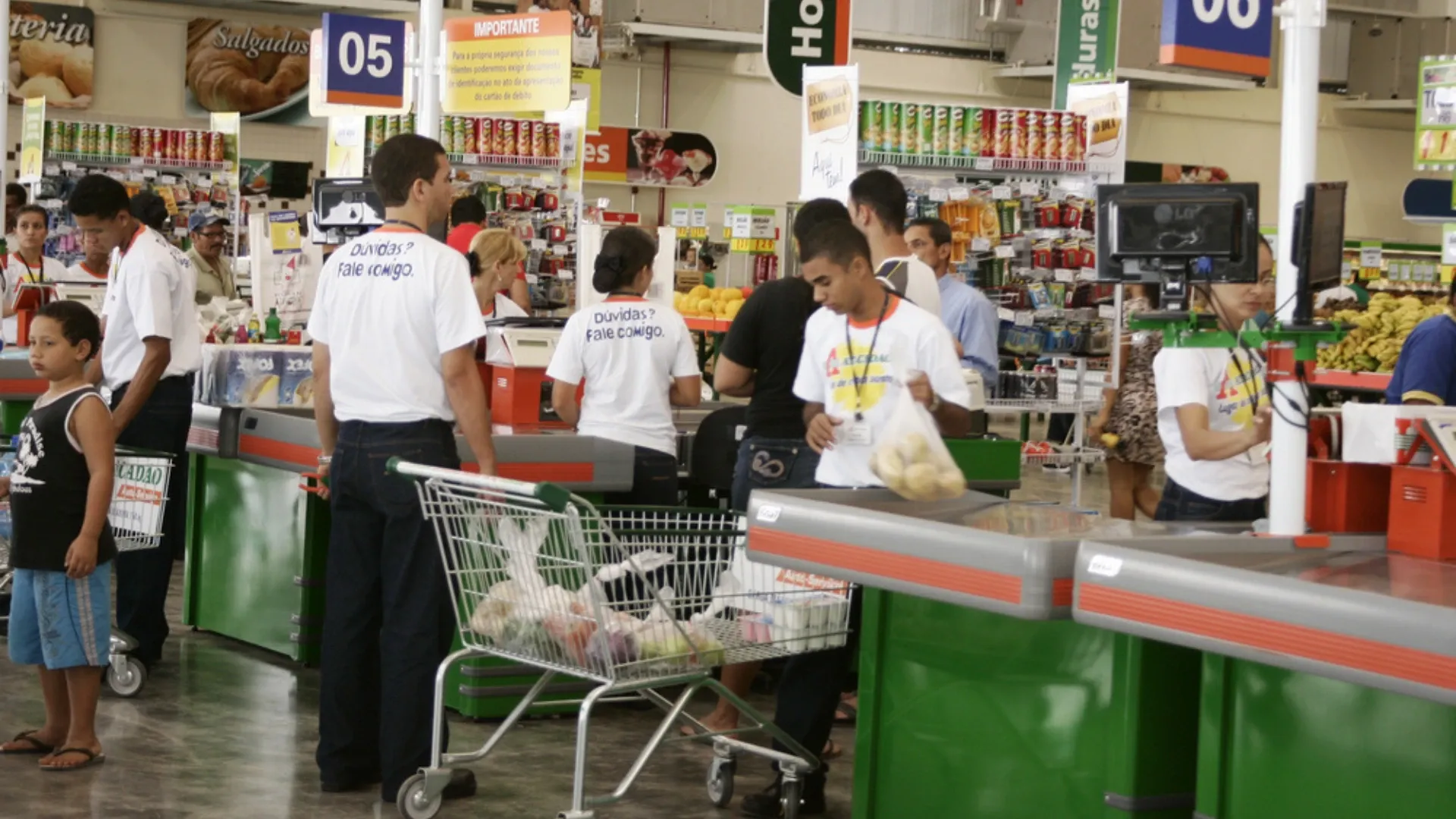
In Costa Rica, petrochemical raw materials, which help with plastic production worldwide for the packaging of food, hygiene, health and cleaning products, among others, are also suffering, as production costs are increasing. Ecuador is also struggling with rising inflation, despite being an oil-producing country. Banff citizens are complaining that money just is not enough anymore to afford even basic necessities, as the price rise, though consistent, is still a pinch.
The energy conundrum in some countries is an interesting phenomenon to note. Argentina, Mexico and other LatAm countries, which export energy, stand to benefit from higher revenues from crude oil exports, which boost foreign earnings. However, consumers will continue to be subjected to higher prices because they are import dependent on refined fuel such as diesel and gasoline.
Industry experts note that under such a situation, countries experiencing growing inflation might not be able to quickly return to pre-conflict levels, which might further strain Latin American households’ earnings, possibly for months. These factors will also affect growth in the economies that are most vulnerable. This will probably result in slower real wage growth and fewer jobs being created, which will prolong the economic damage long after the initial shock has passed.
In conclusion, the situation unfolding in Iran has cast a long shadow on Latin America, turning a local oil shock into an ongoing macroeconomic problem. The region is trapped between stagnant growth and rising manufacturing prices, even if some economies like Mexico demonstrate short-term resilience by reducing core inflation. The road to recovery seems difficult as central banks go from a merely observing strategy to unavoidable policy changes, endangering long-term wage growth and stability even when the geopolitical dust settles.