
Top 10 Investments in EV Companies

From market leader Tesla to fast-rising giant BYD, and legacy automakers like Volkswagen Group and General Motors, competition is intensifying across regions.
The global electric vehicle (EV) industry is entering a decisive phase, driven by rapid technological innovation, government policies, and shifting consumer demand toward sustainable mobility. From market leader Tesla to fast-rising giant BYD, and legacy automakers like Volkswagen Group and General Motors, competition is intensifying across regions. At the same time, battery leaders such as CATL are shaping the industry’s backbone. This article explores the top 10 highest investments in EV companies globally, analysing their market position, growth strategies, and why they matter to investors in 2026 and beyond.
Tesla
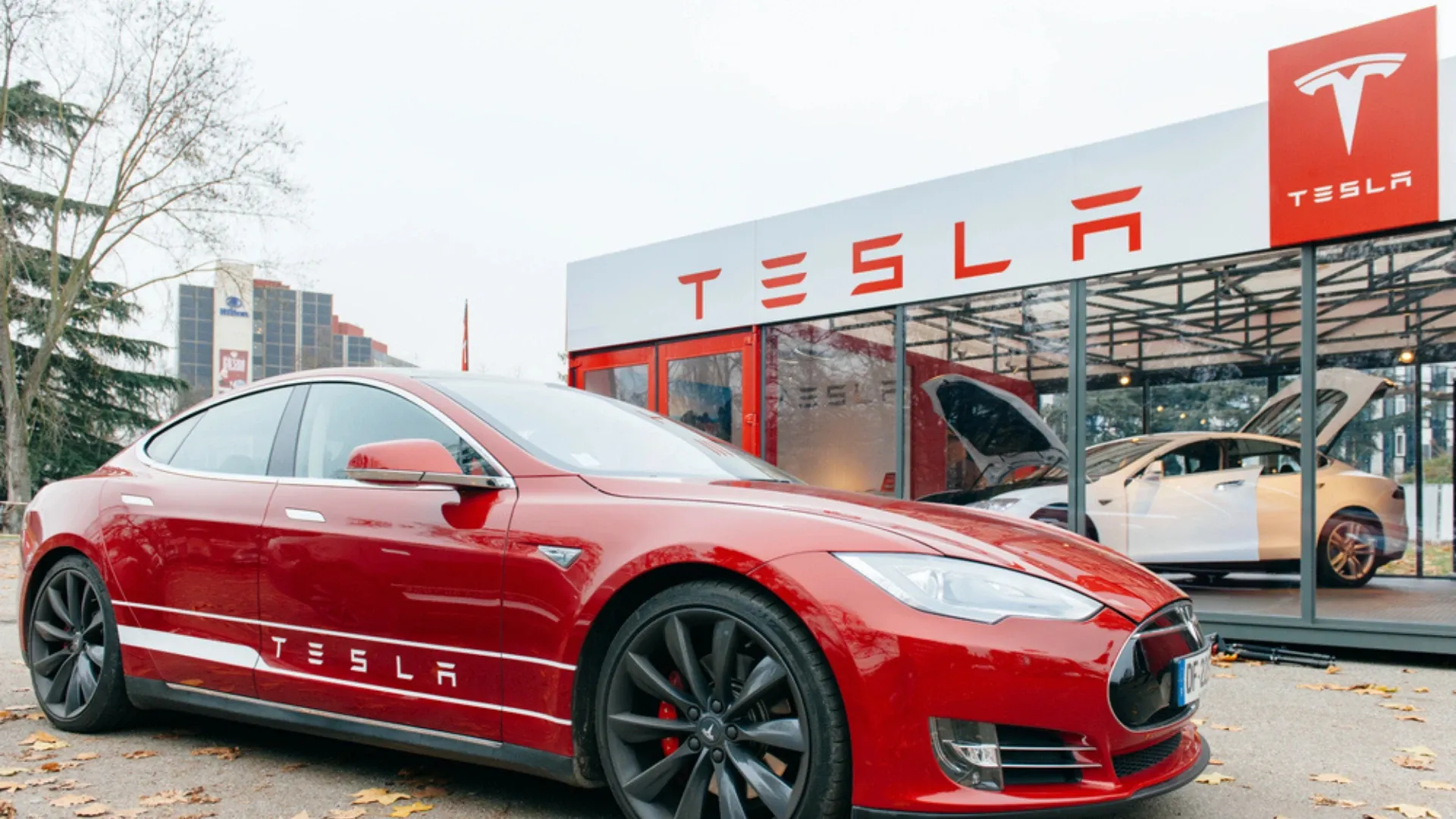
Tesla remains the most influential electric vehicle company globally, with a market capitalisation exceeding $1 trillion and strong technological leadership. The company delivered over 1.6 million vehicles in 2025 and reclaimed the top global EV sales position in early 2026. Despite fluctuations in sales, Tesla continues to dominate innovation through autonomous driving, battery efficiency, and global charging infrastructure. Its revenue growth remains strong, proving resilience even during market slowdowns. For investors, Tesla represents a high-growth yet high-valuation play in the EV ecosystem.
BYD
BYD has emerged as the world’s largest EV producer by volume, surpassing competitors with over 2.25 million vehicles sold in 2025. The company’s vertically integrated model-manufacturing batteries, semiconductors, and vehicles-gives it a cost advantage unmatched globally. It is aggressively expanding internationally, particularly in Europe and Southeast Asia. Recent innovations like ultra-fast charging technology further strengthen its competitive edge, positioning BYD as a dominant force in both mass-market and premium EV segments.
Volkswagen Group
Volkswagen Group is leading Europe’s EV transition through its aggressive electrification strategy. With massive investments in battery plants and software platforms, the group aims to become a global EV leader by the end of the decade. Its ID series and premium brands like Audi and Porsche are key to its EV growth. Volkswagen’s scale, legacy manufacturing strength, and global presence make it a major investment destination, especially as European regulations accelerate EV adoption and phase out combustion engines.
NIO
NIO is known for its premium electric vehicles and unique battery-swapping technology. The company has built a strong ecosystem, including subscription-based battery services, which reduces upfront vehicle costs. NIO is expanding rapidly into Europe, positioning itself as a luxury EV competitor to Tesla. Its heavy investments in AI, autonomous driving, and infrastructure reflect long-term growth ambitions. For investors, NIO offers a high-risk, high-reward opportunity within the premium EV segment.
XPeng
XPeng focuses on smart EV technology, particularly autonomous driving and AI integration. The company has gained attention for its advanced driver-assistance systems and competitive pricing strategy. XPeng is expanding beyond China into European markets, aiming to compete on both innovation and affordability. Its strong emphasis on software-driven vehicles makes it appealing to tech-focused investors. However, profitability challenges remain as it continues to scale production and global presence.
Geely
Geely stands out due to its diversified EV portfolio, including brands like Volvo, Polestar, and Zeekr. This multi-brand strategy allows technological sharing across platforms, improving efficiency and innovation. Geely’s global reach and strong financial backing position it as a major long-term EV investor favourite. Its premium EV brand Zeekr is gaining traction, especially in high-performance segments, while its partnerships strengthen its global competitiveness.
General Motors
General Motors is investing heavily in EV transformation, targeting an all-electric future. Its Ultium battery platform underpins multiple EV models across Chevrolet, Cadillac, and GMC brands. Backed by strong government incentives in the US, GM is scaling production and infrastructure rapidly. Its strategy focuses on affordability and mass adoption, making it a key player in North America’s EV growth story. Investors see GM as a legacy giant successfully pivoting toward electrification.
Ford Motor Company
Ford Motor Company is gaining momentum in the EV space with models like the Mustang Mach-E and F-150 Lightning. The company is investing billions into EV production and battery facilities. Ford’s strategy leverages its strong brand loyalty and dominance in pickup trucks, transitioning these segments into electric variants. While facing profitability challenges, its aggressive scaling and partnerships make it a key contender in the global EV investment landscape.
Rivian
Rivian focuses on electric trucks and SUVs, targeting adventure and commercial segments. Backed by major investors like Amazon, Rivian has secured significant funding for expansion. The company’s delivery vans and premium electric pickups differentiate it from competitors. However, production challenges and high costs remain key concerns. Despite this, Rivian is seen as a strong niche player with long-term growth potential in commercial EV solutions.
CATL
CATL is not an automaker but one of the most critical players in the EV ecosystem. As the world’s largest EV battery supplier with over 38% market share, it powers companies like Tesla and BMW. The company recently raised $5 billion to expand global production and invest in next-generation battery technologies. For investors, CATL represents the backbone of the EV revolution, benefiting from rising global demand regardless of which automaker leads.