
Top 10 Non-Oil Revenue Streams driving GCC Economic Diversification in 2026

Through strategic investments and innovation-driven initiatives, the region is accelerating growth in industries such as tourism, technology, finance, and renewable energy.
GCC countries are increasingly prioritising the expansion of the non-oil sector to reduce dependence on hydrocarbon revenues and build more resilient, diversified economies. Through strategic investments and innovation-driven initiatives, the region is accelerating growth in industries such as tourism, technology, finance, and renewable energy.
1. Tourism & Religious Tourism Expansion
150 Million Visitors by 2030: Inside Saudi Arabia’s Rapid Rise as the Gulf’s Tourism Powerhouse
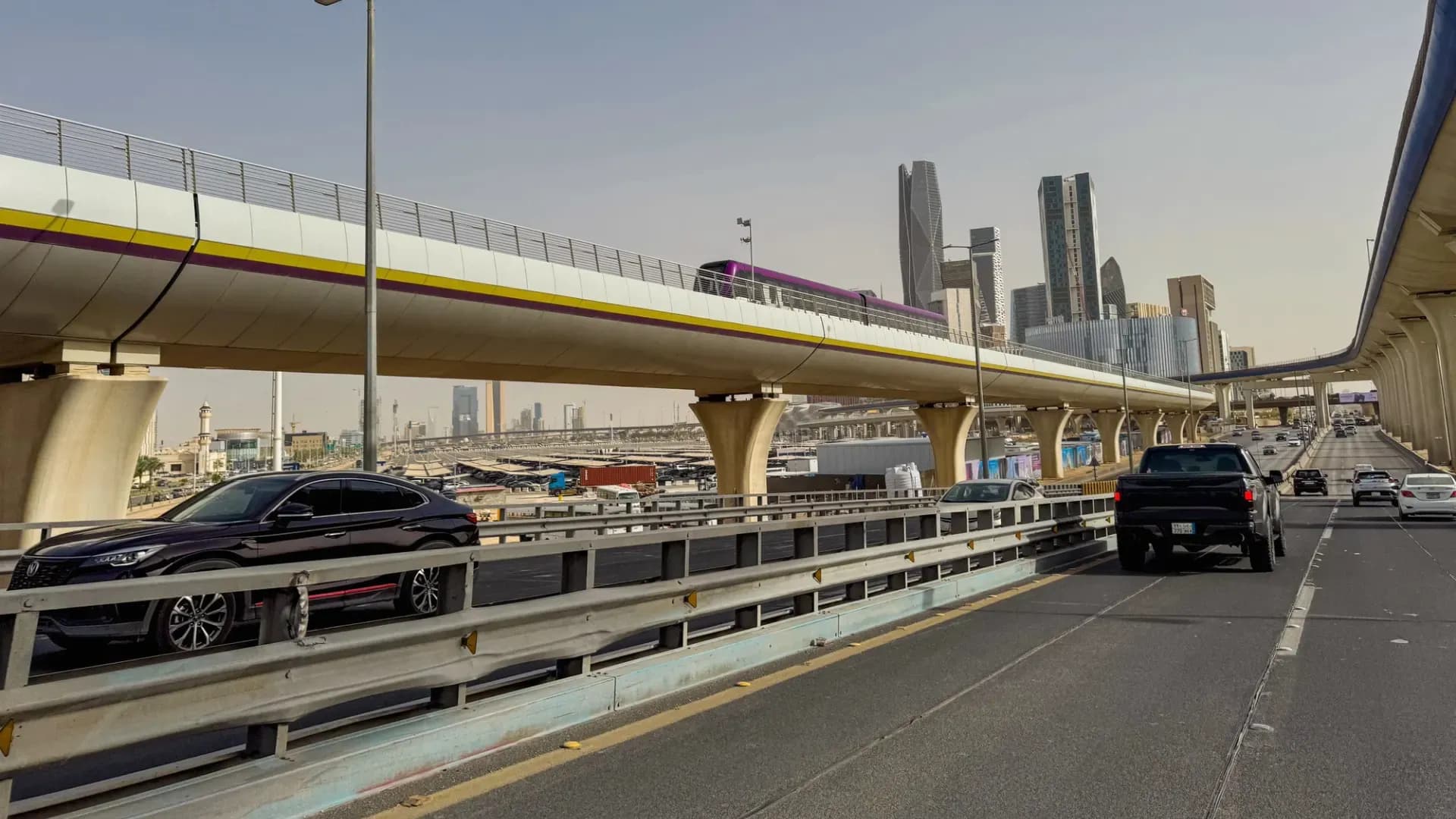
Saudi Arabia has grown to become the fastest-growing tourism industry in the region of the Gulf Cooperation Council in recent times, driven by the lofty ambitions of Vision 2030, which targets the arrival of 150 million tourists in the country by the end of the decade. The lofty ambitions of Saudi Arabia include massive investments in the country’s infrastructure as well as the country’s economic reforms aimed at achieving the target of a diversified economy that is not based on hydrocarbons.
The main ambitions of the tourism strategy of Saudi Arabia include the increase in the scale of the Hajj pilgrimage, the increase in the scale of the Umrah pilgrimage, as well as the development of world-class tourism destinations such as NEOM, Al-Ula, Qiddiya, and the Red Sea Project.
Saudi Arabia has opened its shores to international tourism, a historic shift in the tourism strategy of the country, while at the same time the religious tourism of the country is a vital part of the tourism strategy of the country, with millions of Muslims flocking to holy destinations such as Mecca and Medina, thus the need for massive investments in the country’s infrastructure to accommodate the influx of tourists.
2. Real Estate Development (Mega Projects)
Saudi Arabia Leading the Mega-Project Race
The Kingdom of Saudi Arabia has emerged as a leading player among GCC Countries for Real Estate investment with approximately 63% of the total $1.68 trillion project pipeline for the GCC region. The surge in projects throughout the Kingdom is due in part to Vision 2030’s Economic Diversification Plan which will see multiple new cities, tourist destinations and updated infrastructure built throughout the country.
One notable development project is NEOM; a $500 billion hyper-futuristic city on Saudi Arabia’s Red Sea coast that will be home to the latest technologies, sustainable infrastructures and highly intelligent urban planning.
Another notable project is Qiddiya, it will serve as an entertainment and tourism hub just outside of Riyadh with theme parks, sporting venues, and a variety of residential developments. Rua Al Madinah will be developed to expand the hospitality infrastructure available to people travelling to perform Umrah (the Islamic pilgrimage to Mecca).
Today, there are 8 million pilgrims who travel to perform Umrah annually. The developers of Rua Al Madinah hope to accommodate at least 30 million pilgrims yearly by 2030 and provide hundreds of thousands of jobs in Medina while accommodating the growing number of Umrah pilgrims. The Rise Tower is planned to be a 2-kilometre high building in Riyadh that will be the tallest building ever constructed when it is completed.
3. UAE Strengthens Industrial Zones and Manufacturing Clusters
The Rise of Smart Industry: Ins2-kilometre-highomic Zones Abu Dhabi’s New Manufacturing Vision
Specialised ecosystems are developing in the UAE with the intent to attract foreign corporations in the areas of metals, pharmaceuticals and advanced technology. Metal Park, located in Khalifa Economic Zones Abu Dhabi (KEZA), has been developed as a specialised industrial ecosystem that will support all aspects of the metal production supply chain, from logistics to providing industrial support services.
The ecosystem also has an Industry 4.0 Competency Centre, which will offer training and education opportunities for companies involved in the production of robots, predictive maintenance and AI-based manufacturing systems.
According to multiple reports on the project, Metal Park will be built on a “pay-as-you-grow” foundation, allowing businesses to scale their operations gradually while being able to access shared resources and infrastructure. Another area of investment is pharmaceutical manufacturing and R&D in the UAE. Through creating the UAE as a self-sufficient regional manufacturing hub by investing in local pharmaceutical production and R&D capabilities, the Middle East will be represented in the global pharmaceutical market.
Currently, the UAE is on track to capture up to $36 billion of the Middle East’s total $36 billion pharmaceutical market by 2028 due to the UAE’s investment into local manufacturing and R&D.
4. UAE Expands Digital Ports and Logistics Infrastructure
The Future of Trade: How Jebel Ali Port and Etihad Rail Are Transforming Gulf Connectivity
The United Arab Emirates has emerged as a leader in the logistics innovation of the region, largely due to the advances made in port systems, logistics, integrated transport networks, cargo tracking systems, etc, by the highly automated Port of Jebel Ali in Dubai – a critical maritime hub operated by DP World that has made significant investments in automated solutions for shipping operations, AI powered cargo tracking systems, and blockchain enabled logistics solutions that have enhanced efficiency and increased transparency in the movement of goods through its facility.
In addition, the UAE is developing multimodal connectivity through the implementation of high-profile infrastructure projects, such as Etihad Rail, which is a national railway system that will connect major shipping ports, industrial zones and urban centres throughout the country.
Another major initiative is the Hafeet Rail Corridor which will connect Abu Dhabi to the Port of Sohar in Oman. The development of a cross-border rail corridor will lead to enhanced efficiencies in freight transport and improved trade integration among Gulf Co-operation Council (GCC) member nations.
5. UAE Emerging as a Global AI Infrastructure Hub
Inside the AI Infrastructure Boom: The Rise of the Stargate AI Campus in the United Arab Emirates
The regions of Abu Dhabi and Dubai are rapidly emerging as major global hubs for artificial intelligence computing infrastructure. A key development driving this transformation is the Stargate AI Campus, spearheaded by G42 in collaboration with leading technology partners including OpenAI, Nvidia, Cisco, SoftBank, and Oracle. The ambitious project is designed to deliver an estimated 5 gigawatts of AI supercomputing capacity, positioning it among the largest data-centre campuses outside the United States. The first phase alone is expected to provide around 200 megawatts of computing power by 2026, signalling the UAE’s strong commitment to advanced digital infrastructure.
More broadly, the country’s total data-centre capacity is projected to expand from approximately 414 megawatts today to nearly 950 megawatts by 2028, representing growth of more than 130 percent. Major operators, including Khazna Data Centres, are actively developing multiple hyperscale facilities to meet the rapidly rising demand for AI-driven computing resources.
6. Massive Expansion of Hospital Infrastructure
The Gulf’s Healthcare Boom: Investment Surges Across the Gulf Cooperation Council
Another major development in GCC healthcare investment is the rapid expansion of hospital capacity across the region. By 2029, the Gulf Cooperation Council is expected to require more than 12,000 additional hospital beds, which would increase total regional capacity to around 140,500 beds. This growing demand is largely being driven by population expansion, rising healthcare needs, and ongoing reforms in national health systems. Saudi Arabia alone is projected to account for nearly 70% of the new hospital bed demand, reflecting the scale of its healthcare transformation efforts.
The surge in healthcare infrastructure investment is drawing strong interest from private equity firms, sovereign wealth funds, and international hospital operators. Investors are increasingly focusing on speciality hospitals, outpatient clinics, and rehabilitation centres, which are viewed as highly scalable and financially attractive segments within the region’s evolving healthcare ecosystem.
7. Fintech & Digital Payments
Global Wallets, Local Growth: How Google Pay and Alipay+ Are Expanding Saudi Arabia’s Fintech Ecosystem
Saudi Arabia’s fintech ecosystem is expanding rapidly under the Vision 2030 economic diversification plan. Cashless transactions and digital banking adoption have surged, supported by regulatory reforms and fintech innovation.
The Saudi Central Bank has also launched major global integrations such as Google Pay and upcoming Alipay+ acceptance, enabling international mobile payment access for residents and visitors.
Additionally, real-time payment systems like Sarie and open banking frameworks are transforming how individuals and businesses move money.
8. Entertainment & Sports Economy
The $2 Trillion Opportunity: Sports Tourism’s Rapid Rise in the Gulf Cooperation Council
Sports tourism is rapidly emerging as one of the fastest-growing sectors across the Gulf region, with governments increasingly investing in major sporting infrastructure and global events. According to industry estimates, the Gulf Cooperation Council aims to secure a larger share of the global sports tourism market, which is projected to exceed $2 trillion by 2030. Currently, the Gulf accounts for roughly 5–7 per cent of worldwide sports tourism spending, highlighting considerable room for expansion as new venues and international tournaments continue to attract global audiences.
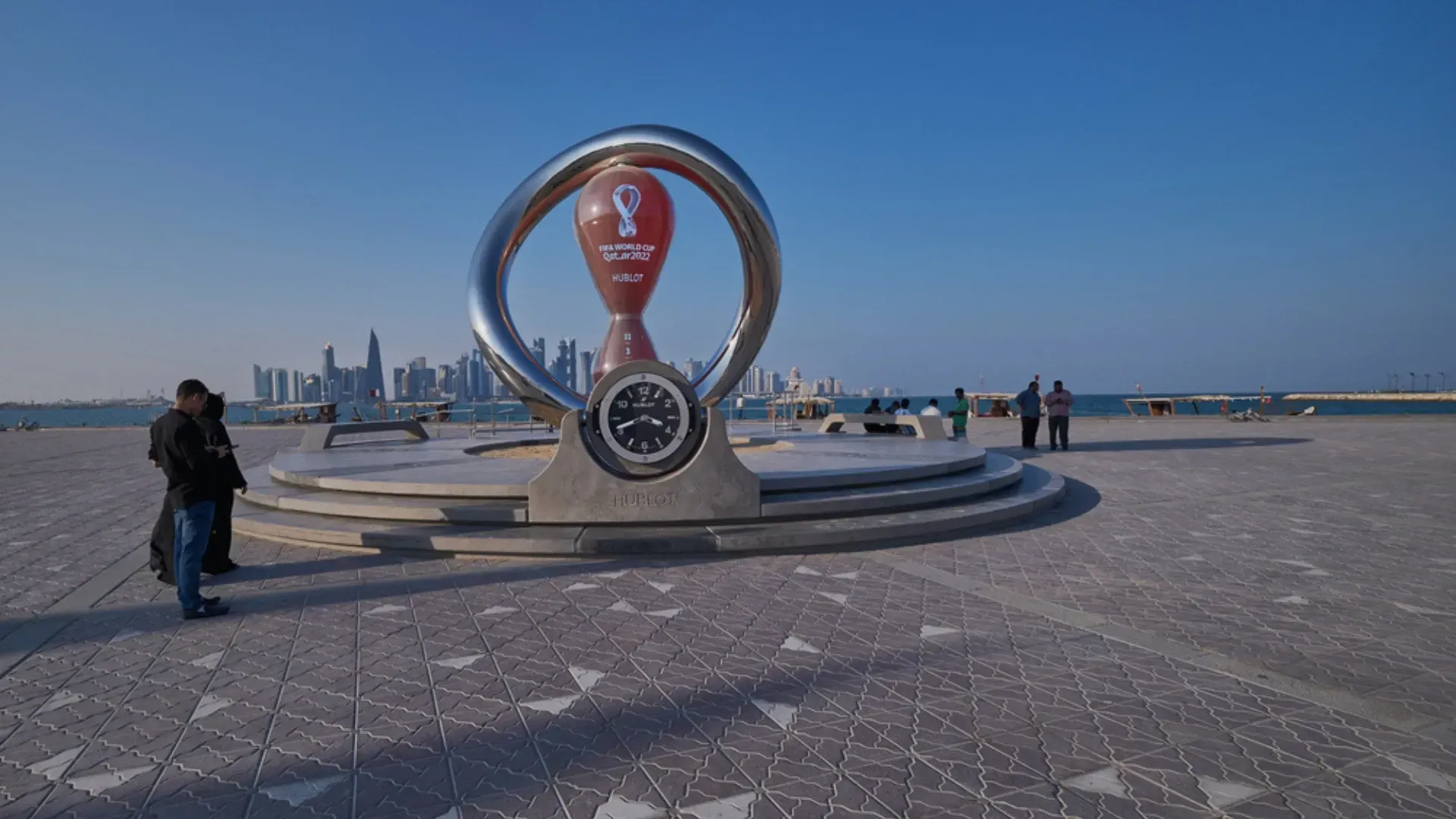
High-profile events such as the FIFA World Cup 2022 in Qatar, as well as Formula One races hosted in Abu Dhabi, Bahrain, and Saudi Arabia, alongside global boxing, MMA, and football tournaments, have significantly elevated the region’s international sporting profile. Importantly, sports tourists typically spend more than conventional travellers, making the sector a powerful driver of tourism revenue, hospitality demand, and broader economic diversification.
9. Renewable Energy & Green Hydrogen
Major Renewable Energy & Green Hydrogen Updates in GCC (2025–2026)
Saudi Arabia’s NEOM: World’s Largest Green Hydrogen Project
One of the most significant developments in the GCC’s energy transition is the NEOM Green Hydrogen Project in Saudi Arabia, widely considered the largest commercial green hydrogen facility in the world.
The project is being developed by ACWA Power, Air Products, and NEOM with an investment exceeding $8.4 billion. It will be powered entirely by renewable energy from solar and wind farms and is expected to start production around 2026–2027.
10. SME Financing & Digital Commerce
Big Updates in “SME Financing & Digital Commerce” in GCC (2025–2026)
Fintech Is Transforming SME Financing Across the GCC
One of the biggest structural shifts in the Gulf economies is the rapid rise of fintech-driven SME financing platforms. Traditional banks have historically underserved small businesses in the region, creating a massive funding gap.
Across the GCC, SMEs represent more than 90% of registered companies but receive less than 10% of bank credit, leaving an estimated $250 billion financing gap. Fintech lenders are stepping in to fill this gap using AI-based credit models and alternative data.