

Trump’s Order on US Drugs Might Increase Global Drug Prices
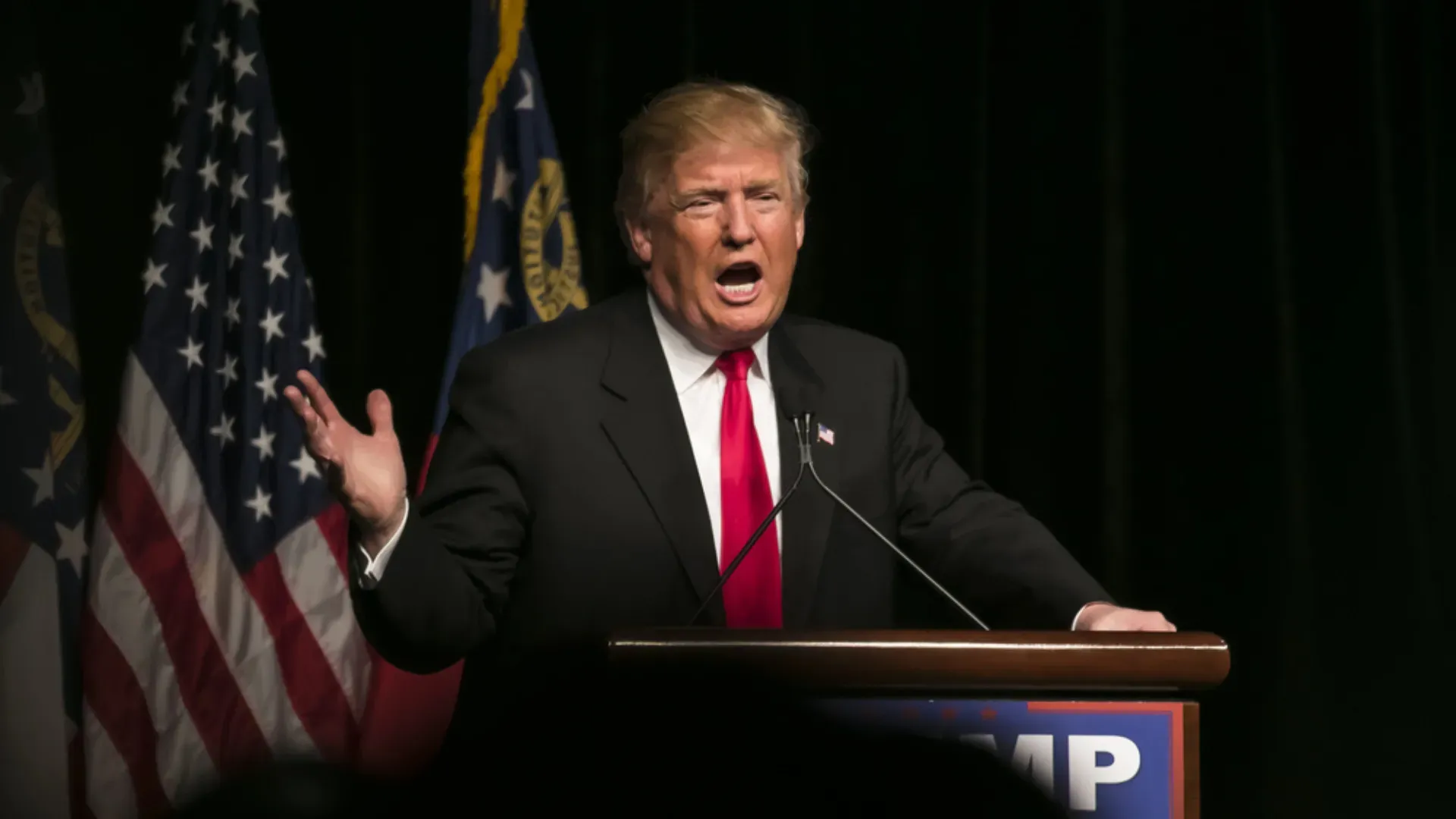

When the US compared its prices with other countries, it was two to four times more costly. Trump tried to solve this issue, but the US prices were stubborn.
US President Donald Trump has signed an executive order to reduce costly prescription drug prices. He said that patients from other countries pay far less for medicines than Americans and ordered pharma companies to lessen their costs in the United States.
Trump’s prescription medication may sound good for the home country, but it could lead to a significant shift in global prices, and not for the better.
His decision has sent shockwaves to the pharmaceutical industry worldwide, affecting the financial markets and the prices of global drugs.
He claims it is one of the most consequential orders in American history, reducing the prices almost instantly by 30% to 80%.
When he declared that he would issue an executive order to match US medicine pricing with other countries, pharmaceutical stocks worldwide immediately trembled. The biggest concern is that drug manufacturers may increase their prices overseas due to decreased domestic income.
Why is US pharma costly?
The US has a complex healthcare system, which consists of the private insurance industry, employer subsidies, and publicly funded insurance for the elderly and poor, includes Medicare and Medicaid.
In a centralised system, officials can negotiate a blanket rate for drugs, and if they are high, they can avoid buying them.
When the US compared its prices with Australia, Canada, and France, it was two to four times more costly. Trump and former President Biden tried to solve this issue, especially for essential drugs like insulin, but US prices were stubborn.
It should be noted that Trump’s trade tariffs, which he used to threaten other countries, might backfire and affect the prices in the home country.
When he signed the executive order, the blow came very quickly. Pharmaceutical stocks in Europe and Asia fell sharply. Even major players like Novo Nordisk, AstraZeneca, and Roche lost territory. The pharmaceutical index in Japan witnessed its largest daily decline in months, and US companies like Pfizer, Merck, and Eli Lilly felt early trading pressures.
The market fears reflect a serious concern: if US companies are forced to cut pricing, especially in large government-sponsored programs like Medicare and Medicaid, they may try to recover their lost revenue by boosting prices elsewhere.
Many countries today enjoy lower medicine costs than the US due to price limits or direct negotiations with pharmaceutical companies.
What is inexpensive in one country today can become more expensive tomorrow. And analysts are keeping a close eye on that.
Stefan Schneider, an analyst at Bank Vontobel, stated it might turn negative for the industry since many global drug makers rely on US sales for 40-60% of their total income.
Countries with private healthcare systems or without strict price restrictions may feel the burn of any corporate-driven price changes. Pharmaceutical companies may decide to limit the availability of new medicines or rollouts in low-margin countries if the revenue is being squeezed.
The details of this order are cloudy. However, significant price reductions for programs like Medicare and Medicaid, accounting for around 40% of US drug sales, will devastatingly affect companies that rely heavily on US revenue.
Takeda, Sanofi, Novartis, and GSK rely significantly on American consumers.
Stephen Barker of Jefferies Japan, an investment bank, stated that a campaign to cut medicine prices might significantly impact the industry’s revenue.
Even the prospect of price reductions has been sufficient to shake investor confidence this time.
Many governments have strict pricing regulations, so pharmaceutical companies cannot just slash any prices they want, but still, the risk is real, especially in middle-income countries with less developed or weaker regulatory frameworks.
As businesses try to make up for losses in their most profitable market, emerging countries with expanding healthcare demands may find themselves in a difficult situation and have to pay more for necessary medications.
In summary, US pharmaceutical policy has global repercussions. The executive order might help US consumers pay less, but it reshapes global drug pricing plans.
It is a waiting game right now, but consumers, insurers, and healthcare providers outside the US have to keep a careful eye.