

• About us
  • Advertise
  • Contact
  • Nominate
  • Client’s Voice
  • Login
  • Register
📖 Magazine
The Global Economics
  • Home
  • Banking
  • Non Banking
  • Markets
  • Infrastructure
  • Lifestyle
  • FeatureNew
  • Awards
No Result
View All Result
  • Home
  • Banking
  • Non Banking
  • Markets
  • Infrastructure
  • Lifestyle
  • FeatureNew
  • Awards
No Result
View All Result
The Global Economics
No Result
View All Result
Home Infrastructure Clean Energy

Labour Government 2030 Vision For Clean Energy Infrastructure in UK
The Global Economics by The Global Economics
November 6, 2024
in Clean Energy, Economy, Energy, Infrastructure
Reading Time: 3 mins read
0
Labour Government 2030 Vision For Clean Energy Infrastructure in UK

Labour Government 2030 Vision For Clean Energy Infrastructure in UK

39
SHARES
216
VIEWS
FacebookTwitterRedditWhatsAppLinkedInFacebook

The UK shut its last coal power plant, but there are still 50 power plants that generate almost a third of UK electricity every year.

The Labour government came to power with a bold plan to build a clean electrical infrastructure by 2030 to transform the UK into a green energy giant.

The National Energy System Operator (Neso) has released an independent report demonstrating how its ambition will become a reality. The system operator determined that the government’s plan to have clean energy would be feasible by the end of the decade, but action taken immediately will speed up the process of Britain’s green agenda.

But it is not a cheap plan. Figures from the Office for Budget Responsibility have estimated that the tax to fund renewable energy projects will increase from £12 billion in 2024–2025 to £14.8 billion in 2029–2030.

If Britain reduces its dependency on volatile global gas markets, it will reduce the costs. Neso estimated that using cheaper renewable energy and less gas-fired power would reduce the wholesale market price of electricity by 10%. The government policies will determine how this will affect the bills. Some of these fees are paid through electricity bills to be moved to gas bills or paid through general taxes.

Households and businesses can reduce their electricity costs by simply shifting their electricity use, such as charging their cars from periods of high demand to off-peak periods like overnight, which was particularly common among millions of homes. But by the end of the decade, its function as a power system flexibility would increase fourfold.

It does not mean the UK will end its fossil fuels. The UK shut its last coal power plant at the end of September, but there are still 50 power plants that generate almost a third of UK electricity every year. Neso has planned to create more clean power systems for the UK than it consumes. But it isn’t possible every single time. During those times, these gas power plants come as a rescue by providing temporary backup. Gas power will make up 5% of UK electricity generation. Neso suggests that the county will have 35GW of gas plants on standby in 2030, down from 37.4GW today.

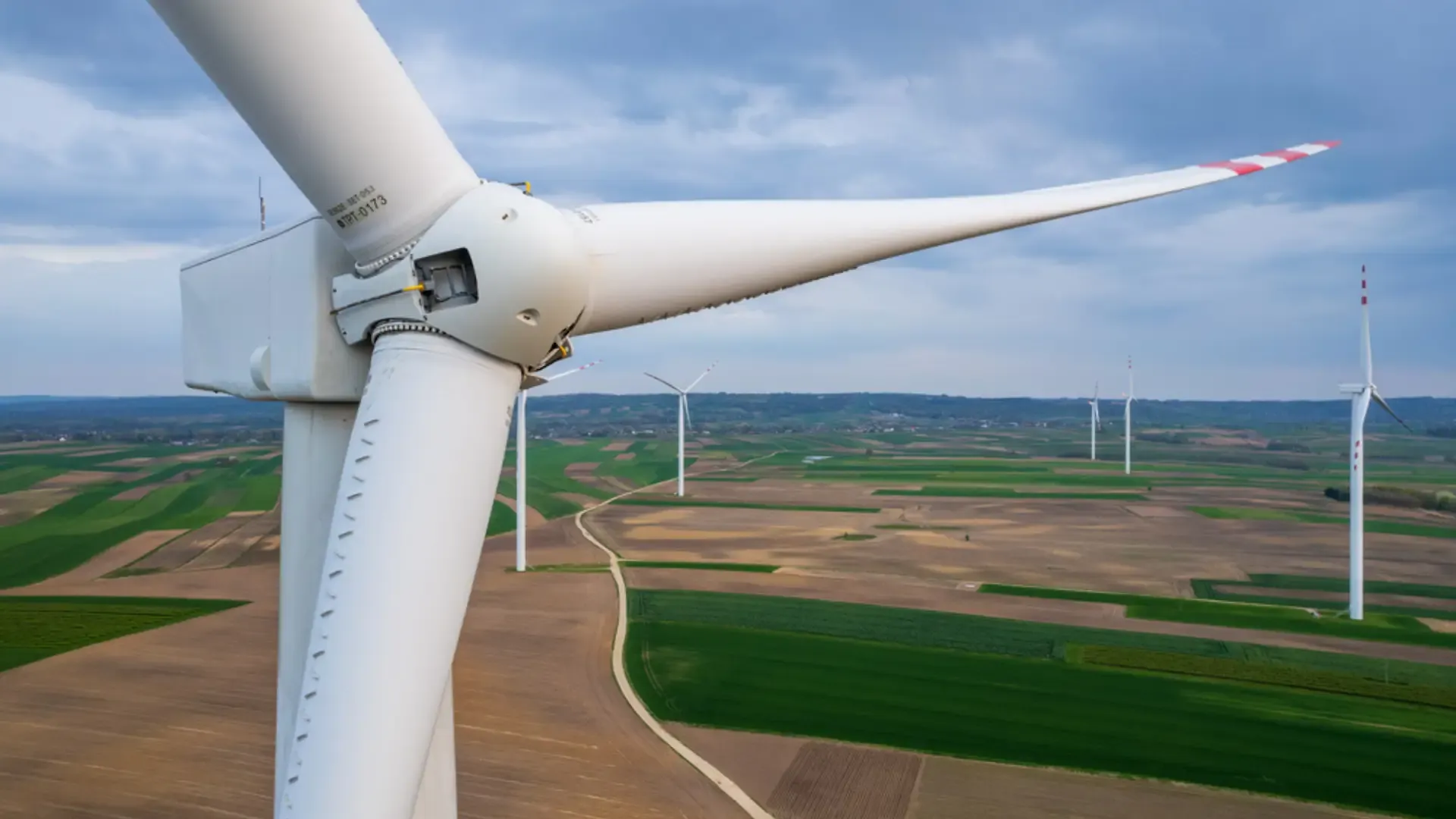
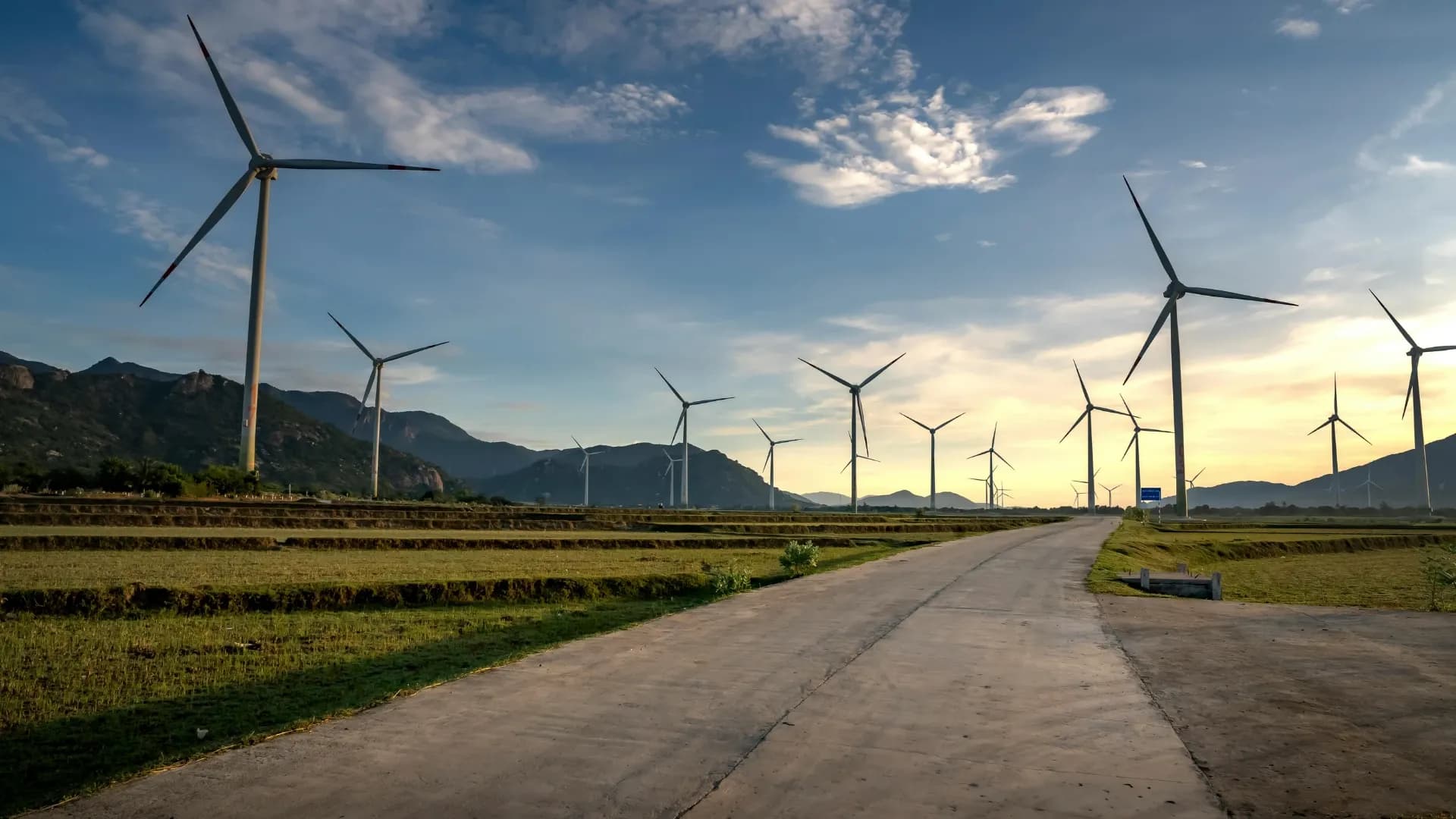
There is no clean power energy without large-scale deployment of offshore wind with onshore wind and solar. So, more than half of the electricity needed for Great Britain comes from offshore wind farms and 29% from onshore wind and solar.

It is predicted that onshore wind will double, and solar farms will triple from the current capacity. The difference in the first scenario is Britain would need 50GW of offshore wind by 2030, while in the second path, offshore wind would reach 43GW. Both will satisfy the UK’s needs in a few years.

Other than renewable energy, battery storage will increase by about five times.

Many pylons, overhead power lines, and substations will be needed to connect the renewable energy projects to the electric grid. Neso expects £60 billion of cumulative investment to deliver 600 miles of onshore and 2800 miles of offshore network lines, more than twice constructed in the last ten years.

The UK is predicted to continue using wood biomass pellets, which are considered carbon neutral, even though environmental organizations and experts disapprove of it.

The system operation has called for gas plants that run on hydrogen gas or have carbon capture and storage (CCS) technology to contribute to the UK energy supply when offshore wind levels decline. This would account for 0.3GW by 2030 with high renewable energy, and if offshore wind is unable to reach its peak, it would be increased to  2.7GW.

The system operator anticipated that nuclear reactors would extend their lifespans. In the first scenario, one of the planned power units at Hinkley Point C will start producing electricity by 2030 for a total of 3.5GW; in the second scenario, it would increase to 4.1GW.
Source: short URL
Tags: clean energylabour governmentNesouk
The Global Economics

The Global Economics

The Global Economics Limited is a UK based financial publication and a bi-annual business magazine giving thoughful insights into the financial sectors on various industries across the world. Our highlight is the prestigious country specific Annual Global Economics awards program where the best performers in various financial sectors are identified worldwide and honoured.

Related Posts

From World Cup Winners to Olympic Ambitions: North America’s Trillion-Dollar Tourism Opportunity
Economy

From World Cup Winners to Olympic Ambitions: North America’s Trillion-Dollar Tourism Opportunity 

by The Global Economics
July 20, 2026
How Latin America's Ports Are Transforming Regional and International Trade
Economy

How Latin America’s Ports Are Transforming Regional and International Trade

by The Global Economics
July 18, 2026
Beneath the Tide: Can New Zealand Build a Multi-Billion-Dollar Blue Carbon Economy?
Clean Energy

Beneath the Tide: Can New Zealand Build a Multi-Billion-Dollar Blue Carbon Economy? 

by The Global Economics
July 16, 2026
Tourism, Remittances and Infrastructure Drive Regional Growth
Economy

Tourism, Remittances and Infrastructure Drive Regional Growth 

by The Global Economics
July 15, 2026
Top 10 Chinese Renewable Energy Companies by Investment and Future Growth (2026)
Clean Energy

Top 10 Chinese Renewable Energy Companies by Investment and Future Growth (2026) 

by The Global Economics
July 14, 2026
Twitter Youtube LinkedIn Soundcloud
the global economics logo

The Global Economics Limited is a UK based financial publication and a Bi-Monthly business magazine giving thoughtful insights into the financial sectors on various industries across the world. Our highlight is the prestigious country specific Annual Global Economics awards program where the best performers in various financial sectors are identified worldwide and honoured.

DMCA.com Protection Status

  • Privacy
  • Legal
  • Terms of Use
  • Client’s Voice
  • Server Status

norton verified - the global economics

Latest Posts

North America's Trade Corridors Drive the Next Infrastructure Boom

North America’s Trade Corridors Drive the Next Infrastructure Boom 

July 13, 2026
China-LatAm Ties: Supply Chains, Bilateral Trade and Energy Transition

China-LatAm Ties: Supply Chains, Bilateral Trade and Energy Transition

July 11, 2026
Finland Leads Europe’s New Venture Investment Wave into Quantum Technology

Finland Leads Europe’s New Venture Investment Wave into Quantum Technology 

July 10, 2026
Download The Global Economics PWA to your mobile or Desktop
PWA App Download
Download The Global Economics Android App to your mobile or Desktop
Android App
Download The Global Economics IOS App to your mobile or Desktop
IOS App

All Rights Reserved © 2020 | 🇬🇧 The Global Economics, Business Finance Publication - www.theglobaleconomics.uk 🌏

Welcome Back!

Sign In with Facebook
Sign In with Linked In
OR

Login to your account below

Forgotten Password? Sign Up

Create New Account!

Sign Up with Facebook
Sign Up with Linked In
OR

Fill the forms below to register

*By registering into our website, you agree to the Terms & Conditions and Privacy Policy.
All fields are required. Log In

Retrieve your password

Please enter your username or email address to reset your password.

Log In
No Result
View All Result
  • About us
  • Awards
  • Magazine
  • Client’s Voice
  • Exclusive Coverage
  • Nominate
  • Login
  • Sign Up

All Rights Reserved © 2020 | 🇬🇧 The Global Economics, Business Finance Publication - www.theglobaleconomics.uk 🌏

This website uses cookies. By continuing to use this website you are giving consent to cookies being used. Visit our Privacy and Cookie Policy.