

• About us
  • Advertise
  • Contact
  • Nominate
  • Client’s Voice
  • Login
  • Register
📖 Magazine
The Global Economics
  • Home
  • Banking
  • Non Banking
  • Markets
  • Infrastructure
  • Lifestyle
  • FeatureNew
  • Awards
No Result
View All Result
  • Home
  • Banking
  • Non Banking
  • Markets
  • Infrastructure
  • Lifestyle
  • FeatureNew
  • Awards
No Result
View All Result
The Global Economics
No Result
View All Result
Home Banking

Barclays Leads the Way by Eliminating Bonus Cap in the UK

benjamin by benjamin
August 9, 2024
in Banking, Commercial
Reading Time: 3 mins read
0
Barclays Leads the Way by Eliminating Bonus Cap in the UK

Barclays Leads the Way by Eliminating Bonus Cap in the UK

43
SHARES
240
VIEWS
FacebookTwitterRedditWhatsAppLinkedInFacebook

Barclays’ action is similar to JPMorgan’s, which also stated in June that it would do away with the bonus limits.

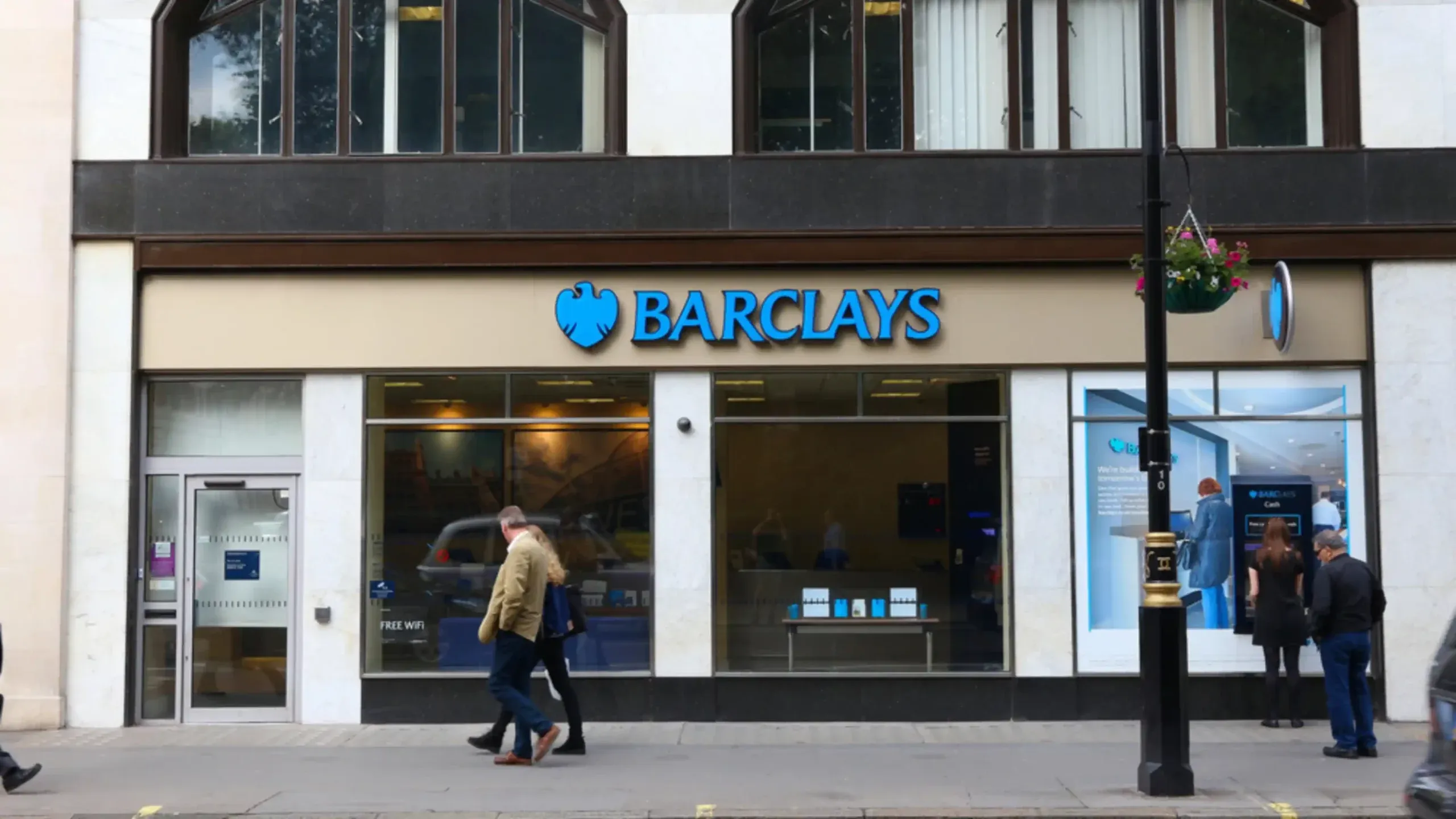
As the first bank in the UK to do so, Barclays has officially lifted the EU-imposed cap on bankers’ bonuses, allowing them to get rewards that are ten times greater than their wages.

Four months after shareholders at Barclays’ AGM approved the plan to abolish the restriction that previously capped incentives to two times bankers’ pay, the revelation was delivered to workers on Thursday through a memo.

Following the removal of the cap by British financial authorities last year, all of the country’s largest lenders, including Barclays, Lloyds, and HSBC, are in the process of raising the cap, which was one of the major measures imposed by the EU in the wake of the 2007-2008 financial crisis.

They have been deliberating on the maximum ratios to offer staff, but they had previously submitted the change to a vote among shareholders at their AGMs in April and May. Following US bank JPMorgan, Barclays now permits salaries up to ten times.

Barclays, meanwhile, advised bankers not to become too optimistic. According to the memo, “total compensation will continue to be performance-based and market-informed at an individual level.”

Barclays’ action is similar to JPMorgan’s, which also stated in June that it would do away with the bonus limits. However, JPMorgan restricted bonuses for major risk-takers to ten times their income while keeping fixed compensation.

The UK government’s decision to remove a restriction on employee bonuses that had required EU-based banks to give bonuses equal to no more than twice a banker’s salary since 2014 is an illustration of how it deviated from the regulations of the European Union following Brexit.

However, banks are using different strategies. Large-scale restructures of UK pay are being impeded by so-called fixed allowances for top bankers, which were instituted in the wake of the bonus cap. This is because staff have been resistant to change.

These transfers added fixed amounts to salaries, therefore getting around the bonus cap. While fixed allowances meant guaranteed compensation, which senior bankers had grown dependent on over the previous ten years, they also prevented them from earning large bonuses during prosperous years.

Approximately half of the 1,600 employees at Barclays’ investment bank are MRTs, and they have higher average payments than other business lines.

For these people, the fixed salary was higher last year than bonuses. The average salary for the elite investment bankers was £717,500, including bonuses of £642,100. Additionally, the UK lender gave dealmakers more “goose eggs” – zero bonuses – last year.

Additionally, MRTs are vulnerable to onerous bonus deferral programs that include six-year clawback requirements.

After the modifications were put into place, JPMorgan bankers likewise did not anticipate significant changes to senior banker compensation this year.

Initially, the cap was intended to eradicate a bonus culture that was held responsible for causing the financial crisis by prioritizing short-term gains over longer-term stability. The idea was to reduce the incentive for risky behaviour by not basing as much of an individual’s salary on performance.

Regulators and lawmakers in the UK, however, were largely against the regulations, claiming that the tightening would make it more difficult to draw in talented bankers, who would instead go to competing centers like New York, Singapore, or Zurich. In 2014, the then-chancellor George Osborne attempted to have the policy overturned at the European Court of Justice.

During the failed mini-budget of the Liz Truss government in September 2022, Osborne’s replacement, Kwasi Kwarteng, first stated plans to eliminate the banker bonus cap. However, the majority of major UK bankers claimed that they were not consulted on the ideas. Later that fall, the Bank of England and other UK regulators, together with the then-chancellor Jeremy Hunt, gave them their approval.

Labour has decided not to go back on the ruling.

Source: short URL
Tags: bankingBarclaysBonus Capfinanceuk
benjamin

benjamin

Related Posts

Saudi Arabia’s Event Economy: How Riyadh Is Building a Multi-Billion-Dollar Global Events Industry
Commercial

Saudi Arabia’s Event Economy: How Riyadh Is Building a Multi-Billion-Dollar Global Events Industry

by The Global Economics
May 19, 2026
Hybrid Momentum: Why Oceania’s Drivers Are Choosing Hybrids Over Full EVs
Commercial

Hybrid Momentum: Why Oceania’s Drivers Are Choosing Hybrids Over Full EVs 

by The Global Economics
May 7, 2026
Asian Development Bank’s $70 Billion Infrastructure Drive: Powering Asia’s Next Growth Chapter
Banking

Asian Development Bank’s $70 Billion Infrastructure Drive: Powering Asia’s Next Growth Chapter

by The Global Economics
May 6, 2026
Payments Innovation & the Cashless Economy: Strategic Transformation Across Australia and Oceania
Banking

Payments Innovation & the Cashless Economy: Strategic Transformation Across Australia and Oceania

by The Global Economics
April 16, 2026
Economic Development and Business Expansion Across the Pacific Island Nations
Commercial

Economic Development and Business Expansion Across the Pacific Island Nations

by The Global Economics
April 2, 2026
Twitter Youtube LinkedIn Soundcloud
the global economics logo

The Global Economics Limited is a UK based financial publication and a Bi-Monthly business magazine giving thoughtful insights into the financial sectors on various industries across the world. Our highlight is the prestigious country specific Annual Global Economics awards program where the best performers in various financial sectors are identified worldwide and honoured.

DMCA.com Protection Status

  • Privacy
  • Legal
  • Terms of Use
  • Client’s Voice
  • Server Status

norton verified - the global economics

Latest Posts

Investments And Innovation: The Road To Strengthen Africa’s Education System

Investments And Innovation: The Road To Strengthen Africa’s Education System

May 31, 2026
The Shifting Tides In Latin America’s Taxation Policies

The Shifting Tides In Latin America’s Taxation Policies

May 30, 2026
The City Strikes Back: London’s Battle for Financial Supremacy

The City Strikes Back: London’s Battle for Financial Supremacy

May 29, 2026
Download The Global Economics PWA to your mobile or Desktop
PWA App Download
Download The Global Economics Android App to your mobile or Desktop
Android App
Download The Global Economics IOS App to your mobile or Desktop
IOS App

All Rights Reserved © 2020 | 🇬🇧 The Global Economics, Business Finance Publication - www.theglobaleconomics.uk 🌏

Welcome Back!

Sign In with Facebook
Sign In with Linked In
OR

Login to your account below

Forgotten Password? Sign Up

Create New Account!

Sign Up with Facebook
Sign Up with Linked In
OR

Fill the forms below to register

*By registering into our website, you agree to the Terms & Conditions and Privacy Policy.
All fields are required. Log In

Retrieve your password

Please enter your username or email address to reset your password.

Log In
No Result
View All Result
  • About us
  • Awards
  • Magazine
  • Client’s Voice
  • Exclusive Coverage
  • Nominate
  • Login
  • Sign Up

All Rights Reserved © 2020 | 🇬🇧 The Global Economics, Business Finance Publication - www.theglobaleconomics.uk 🌏

This website uses cookies. By continuing to use this website you are giving consent to cookies being used. Visit our Privacy and Cookie Policy.