

• About us
  • Advertise
  • Contact
  • Nominate
  • Client’s Voice
  • Login
  • Register
📖 Magazine
The Global Economics
  • Home
  • Banking
  • Non Banking
  • Markets
  • Infrastructure
  • Lifestyle
  • FeatureNew
  • Awards
No Result
View All Result
  • Home
  • Banking
  • Non Banking
  • Markets
  • Infrastructure
  • Lifestyle
  • FeatureNew
  • Awards
No Result
View All Result
The Global Economics
No Result
View All Result
Home Infrastructure Energy

Shell’s Exit from the Niger Delta Raises Environmental Concerns


Rahil Adnan by Rahil Adnan
February 29, 2024
in Energy, Utility
Reading Time: 3 mins read
0
Shell’s Exit from the Niger Delta Raises Environmental Concerns

Shell’s Exit from the Niger Delta Raises Environmental Concerns

60
SHARES
334
VIEWS
FacebookTwitterRedditWhatsAppLinkedInFacebook

The proposed exit of Shell from the Niger Delta raises broader questions about corporate accountability and environmental justice.

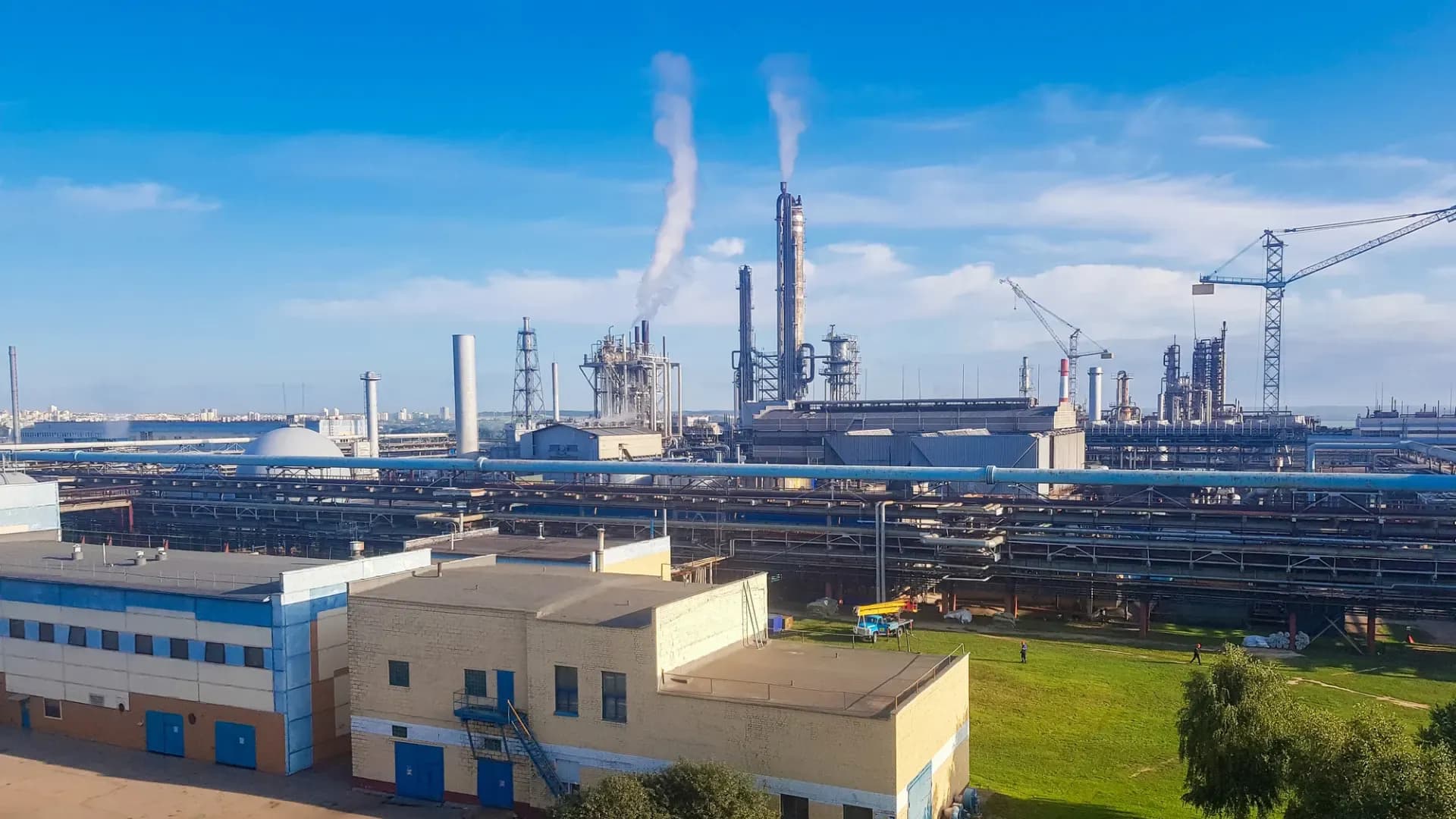
Amidst Shell Plc’s contemplation of withdrawing from the Niger Delta, concerns regarding its environmental responsibilities and obligations to mitigate the toxic legacy of pollution have surfaced. A report by the Centre for Research on Multinational Corporations (Somo) emphasises the necessity for Shell to fulfil its obligations before divesting from the delta, stressing the importance of the safe decommissioning of abandoned oil infrastructure and the cleanup of historical pollution.

The report underscores the ongoing challenges posed by historical pollution in the Niger Delta, accusing Shell of attempting to evade responsibility despite its substantial earnings from oil extraction in the region. Labour MP Clive Lewis has raised serious concerns in the House of Commons, emphasising the potential risk of Shell evading its environmental responsibilities upon departure.

One of the key issues highlighted in the report is the lack of transparency surrounding funding for decommissioning. While Nigeria mandates companies to set aside funds for decommissioning, there is no mechanism to verify the adequacy of these funds. Somo researchers found no evidence to confirm that Shell has established funds for the decommissioning of oil mining leases it has sold, raising questions about the company’s commitment to addressing its environmental obligations.

Audrey Gaughran, the executive director of Somo, criticizes Shell for profiting from oil extraction while neglecting the dire consequences of pollution in the Niger Delta. She emphasises that Shell’s departure could have significant implications for the affected communities and underscores the importance of holding the company accountable for its actions.

Gaughran remarked that Shell pulled off the “ultimate Houdini act.” She went on to say that Shell sold off its toxic assets just as the oil industry entered its final phase.

While Shell has attributed much of the oil pollution to theft and interference with pipelines, the report emphasizes that Nigerian law mandates the company to clean up oil spills regardless of their cause. Despite these legal obligations, Shell has failed to adequately address the pollution legacy in the Niger Delta, leaving communities to bear the long-term consequences.

Gaughran insists that Shell must not be allowed to walk away from these “unjust energy transition cases”. “Ensuring that the historical pollution, the lack of funding for safe decommissioning, and poor financial transparency are fully addressed in Nigeria will be an important litmus test for a just energy transition across the world,” said Gaughran.

In response to concerns raised in the House of Commons, Shell emphasizes that onshore divestments are part of a broader reconfiguration of Nigeria’s oil and gas sector, with domestic companies playing an increasingly important role. However, Shell reassures that mandatory submissions to the federal government ensure scrutiny of divestments, subject to meeting all regulatory requirements.

“The reconfiguration of Nigeria’s oil and gas sector involves onshore divestments, which contribute to the country’s aspirations for the sector,” a Shell spokesperson notes. “Mandatory submissions to the federal government allow the regulators to apply scrutiny across a wide range of issues and recommend approval of these divestments, provided they meet all requirements.”

The proposed exit of Shell from the Niger Delta raises broader questions about corporate accountability and environmental justice. Lewis highlights the potential precedent set by Shell’s withdrawal for other British multinationals operating in the global south, emphasizing the need to prevent environmental destruction and ensure accountability for impacted communities.

Shell’s planned withdrawal from the Niger Delta underscores the urgent need for comprehensive measures to address the region’s pollution legacy and safeguard the interests of affected communities. As discussions continue, stakeholders must prioritize environmental responsibility and ensure that Shell fulfils its obligations before divesting from the delta.
Source: short URl
Tags: Environmental Damagenigeriaoil and gaspollutionshell
Rahil Adnan

Rahil Adnan

Related Posts

From Compliance to Competitive Advantage: ESG as Europe’s New Business Engine
Clean Energy

From Compliance to Competitive Advantage: ESG as Europe’s New Business Engine 

by The Global Economics
April 24, 2026
Oceania’s Renewable Ascendancy: Powering the Future Through Solar, Hydrogen and Storage Innovation
Clean Energy

Oceania’s Renewable Ascendancy: Powering the Future Through Solar, Hydrogen and Storage Innovation 

by The Global Economics
April 23, 2026
The Green Economy Surge: How Climate Tech is Powering the Next Industrial Revolution 
Clean Energy

Europe’s Green Economy Surge: How Climate Tech is Powering the Next Industrial Revolution 

by The Global Economics
April 17, 2026
Latam’s Power Progress: Grid Strengthening Proves Just As Essential As Power Generation Capabilities
Clean Energy

Latam’s Power Progress: Grid Strengthening Proves Just As Essential As Power Generation Capabilities

by The Global Economics
March 21, 2026
Green Hydrogen Ascendant: Can Asia-Pacific Redefine the Global Energy Order?
Clean Energy

Green Hydrogen Ascendant: Can Asia-Pacific Redefine the Global Energy Order?

by The Global Economics
March 18, 2026
Twitter Youtube LinkedIn Soundcloud
the global economics logo

The Global Economics Limited is a UK based financial publication and a Bi-Monthly business magazine giving thoughtful insights into the financial sectors on various industries across the world. Our highlight is the prestigious country specific Annual Global Economics awards program where the best performers in various financial sectors are identified worldwide and honoured.

DMCA.com Protection Status

  • Privacy
  • Legal
  • Terms of Use
  • Client’s Voice
  • Server Status

norton verified - the global economics

Latest Posts

From Compliance to Competitive Advantage: ESG as Europe’s New Business Engine

From Compliance to Competitive Advantage: ESG as Europe’s New Business Engine 

April 24, 2026
Oceania’s Renewable Ascendancy: Powering the Future Through Solar, Hydrogen and Storage Innovation

Oceania’s Renewable Ascendancy: Powering the Future Through Solar, Hydrogen and Storage Innovation 

April 23, 2026
From Oversupply to Opportunity: What China’s Property Slowdown Means for APAC Investors

From Oversupply to Opportunity: What China’s Property Slowdown Means for APAC Investors 

April 22, 2026
Download The Global Economics PWA to your mobile or Desktop
PWA App Download
Download The Global Economics Android App to your mobile or Desktop
Android App
Download The Global Economics IOS App to your mobile or Desktop
IOS App

All Rights Reserved © 2020 | 🇬🇧 The Global Economics, Business Finance Publication - www.theglobaleconomics.uk 🌏

Welcome Back!

Sign In with Facebook
Sign In with Linked In
OR

Login to your account below

Forgotten Password? Sign Up

Create New Account!

Sign Up with Facebook
Sign Up with Linked In
OR

Fill the forms below to register

*By registering into our website, you agree to the Terms & Conditions and Privacy Policy.
All fields are required. Log In

Retrieve your password

Please enter your username or email address to reset your password.

Log In
No Result
View All Result
  • About us
  • Awards
  • Magazine
  • Client’s Voice
  • Exclusive Coverage
  • Nominate
  • Login
  • Sign Up

All Rights Reserved © 2020 | 🇬🇧 The Global Economics, Business Finance Publication - www.theglobaleconomics.uk 🌏

This website uses cookies. By continuing to use this website you are giving consent to cookies being used. Visit our Privacy and Cookie Policy.