
Russia and North African Countries Are Working on an FTA

Russia’s trade with Morocco happens to be on a J-curve
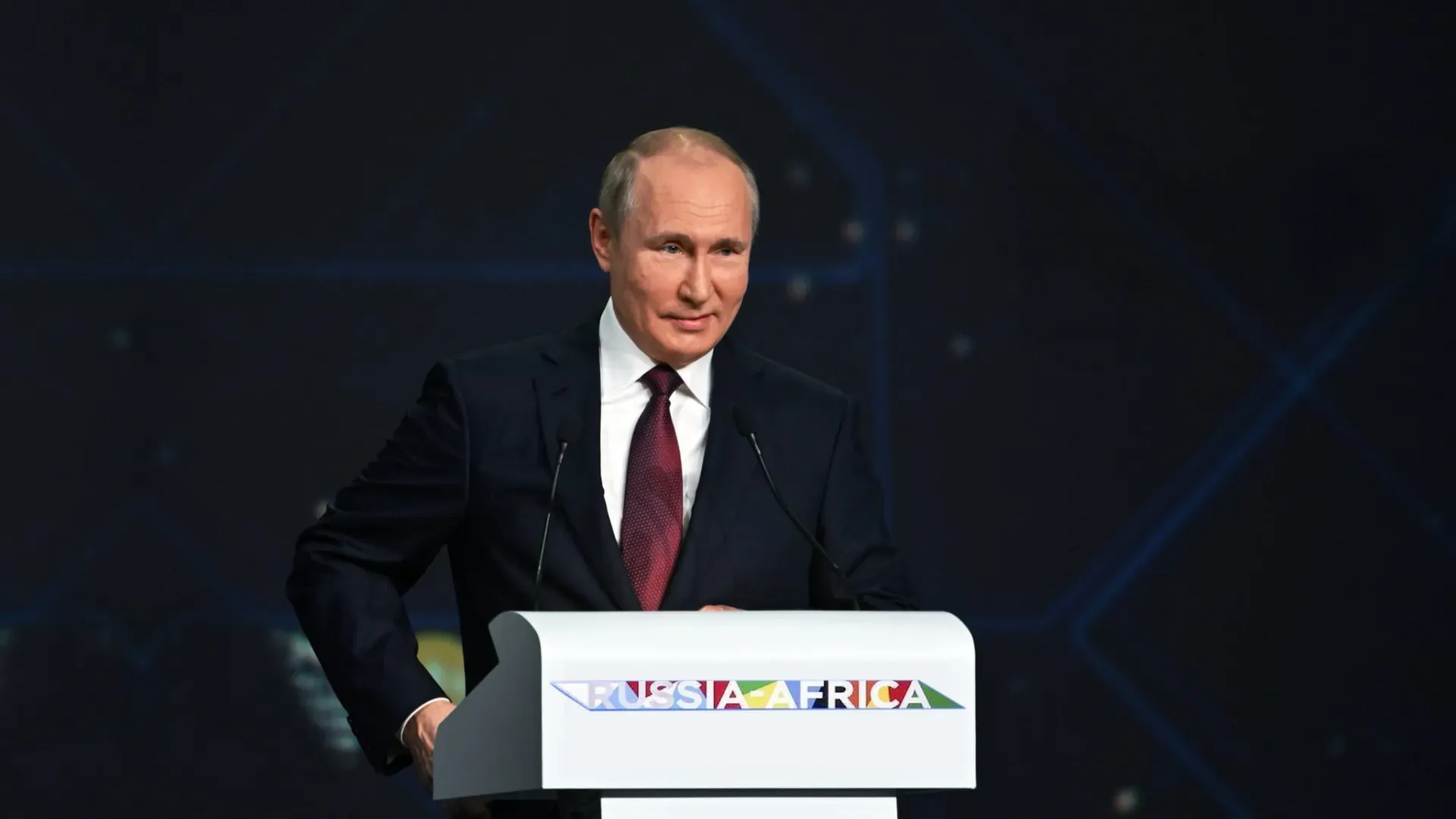
Russian President Vladimir V. Putin announced in a cabinet meeting that Russia and four North African countries, namely, Algeria, Egypt, Morocco, and Tunisia, are in talks for a free trade area. This would then be amalgamated with the economic group of Russia, Belarus, Kazakhstan, Kyrgyzstan, and Armenia, called the Eurasian Economic Union. This announcement came after the second summit of Russia and Africa in St. Petersburg in the previous month.
Currently, the trade volume of Russia with African nations is considerably low, and the majority is saturated in a select few countries. They deal with their fellow member from BRICS South Africa, Morocco, and Algeria. The trade last year between the two was worth a meagre $18 billion, with $4.7 billion in food supplies. This trade amount seems negligible in front of the trade of China and African nations, which went as high as $282 billion just last year.
The country’s trade with Morocco, its third largest trading partner in that region, happens to be on a J-curve. A Spanish outlet, Atalayar, reported that from 2020 to 2021, their trade rose by a staggering 42%, clocking up to $1.6 billion in trade. The Moroccan Foreign Ministry said that since 2021 their bilateral trade has witnessed an improvement of over 25% and that growth continues in the current year as well.
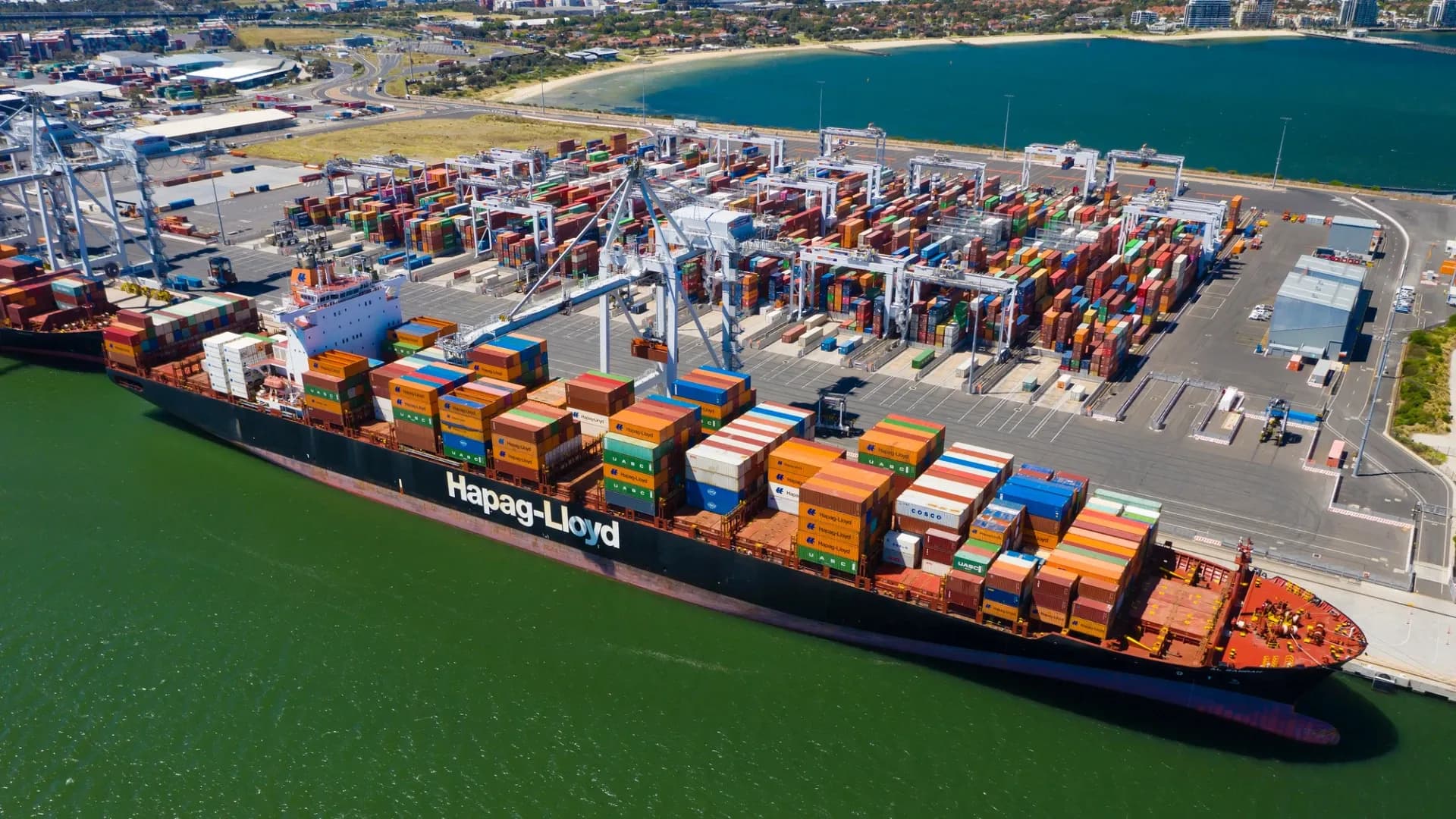
Russia exports chemicals, food, metals, technology, hydrocarbons, and derivatives like ammonia and potash for the demand of fertilisers to Morocco. Likewise, Morocco exports vegetables and fruits like lemons and tomatoes, besides fish, to Russia. Morocco also imports discounted diesel from Russia in recent times. Atalayer reported that diesel imports from Russia went up from 66,000 tons in 2021 to 735,000 in 2022.
The country is tirelessly working to secure its economic needs amidst juggling with the sanctions imposed by the West. According to the official records of the European Union and G7 nations and Australia report that they have frozen reserves worth 300 billion ($326 billion) of the Russian Central Bank and 70% of assets of the Russian banking system.
Morocco is rapidly working towards becoming a carbon-neutral nation by investing heavily in solar farms. They have ambitious targets but are lacking way behind in terms of energy generation. Morocco imports huge amounts of coal from Russia to fulfil their coal-powered electricity generation plants. They have managed to import them as they were left out of the sanctions list by the West for unknown reasons.
Mutual Economic Benefits
Egypt and Tunisia will particularly benefit significantly from a free trade zone with Russia. They will be relieved to import Russian grains and fertilisers. After Moscow backed out from the Black Sea grain deal, a large number of nations were stressed out due to the lack of food supply, which could trigger a food crisis in their country. With an FTA, at least these few nations will be safeguarded of their dining table supplies.
This agreement would actually rectify the trade imbalance between these countries. The amount of Russian exports to these smaller nations like Algeria, Tunisia, and Egypt is way higher than the exports of these countries to Russia. This agreement is designed to involve other sectors of the economy as well, like tourism, which is an important revenue generator for Egypt and Tunisia. Algeria is also building its tourism sector.
Jon Alterman, director of the Middle East Program at the Center for Strategic and International Studies, thinks that this free trade agreement with Russia would just provide some minor benefits and would not significantly impact either side of the parties. A sanctioned Russia is offering discounted deals which are helping them in some ways. These African nations are major food importers, and Russia happens to be a major exporter of grains and other staples.
Russia has a historical association with African nations and commands influence all across Africa. They enjoy healthy decade-long relations with Algeria and also have a foothold in Libya since 2011. Food security is a major primary concern for these nations, and Russia happens to be their trusted ally in this matter.
Associated Risks
Algeria, Moscow, and Tunisia are opening themselves up for a possible sanction from the sanction for signing a formal free trade agreement with Russia. Specifically, Rabat and Tunis are working to establish relationships beyond the European Union. Recently, Morocco and Israel signed the Abraham Accords, which led Tel Aviv to recognise the western Sahara as Moroccan territory, this upset Algeria, which supports the pro-independence Polisario Front.
Russia has a certain level of influence in the North African region, with close relations with Egypt and Algeria. But their trade with Morocco is at an unmatched level with any other country in the continent, despite the United States having a far better strategic partnership with Rabat.
The United States is also an important ally of Algeria. Last week, the Algerian foreign minister was at the White House to seal US investment in the same sectors where Russia is trying to strengthen its relations. This happens to be the energy, agriculture, and pharmaceutical sectors.
Moscow stands to gain politically from the optics of working closely with countries that have failed to form an economic union amongst themselves. It also intends to send a signal to Washington of its influence in the African continent.