
• About us
  • Advertise
  • Contact
  • Nominate
  • Client’s Voice
  • Login
  • Register
📖 Magazine
The Global Economics
  • Home
  • Banking
  • Non Banking
  • Markets
  • Infrastructure
  • Lifestyle
  • FeatureNew
  • Awards
No Result
View All Result
  • Home
  • Banking
  • Non Banking
  • Markets
  • Infrastructure
  • Lifestyle
  • FeatureNew
  • Awards
No Result
View All Result
The Global Economics
No Result
View All Result
Home Feature Economy

Pakistan Textile Sector the Latest Victim of Political & Economic Crisis 

The Global Economics by The Global Economics
August 8, 2023
in Economy, Fashion, Top Stories
Reading Time: 3 mins read
0
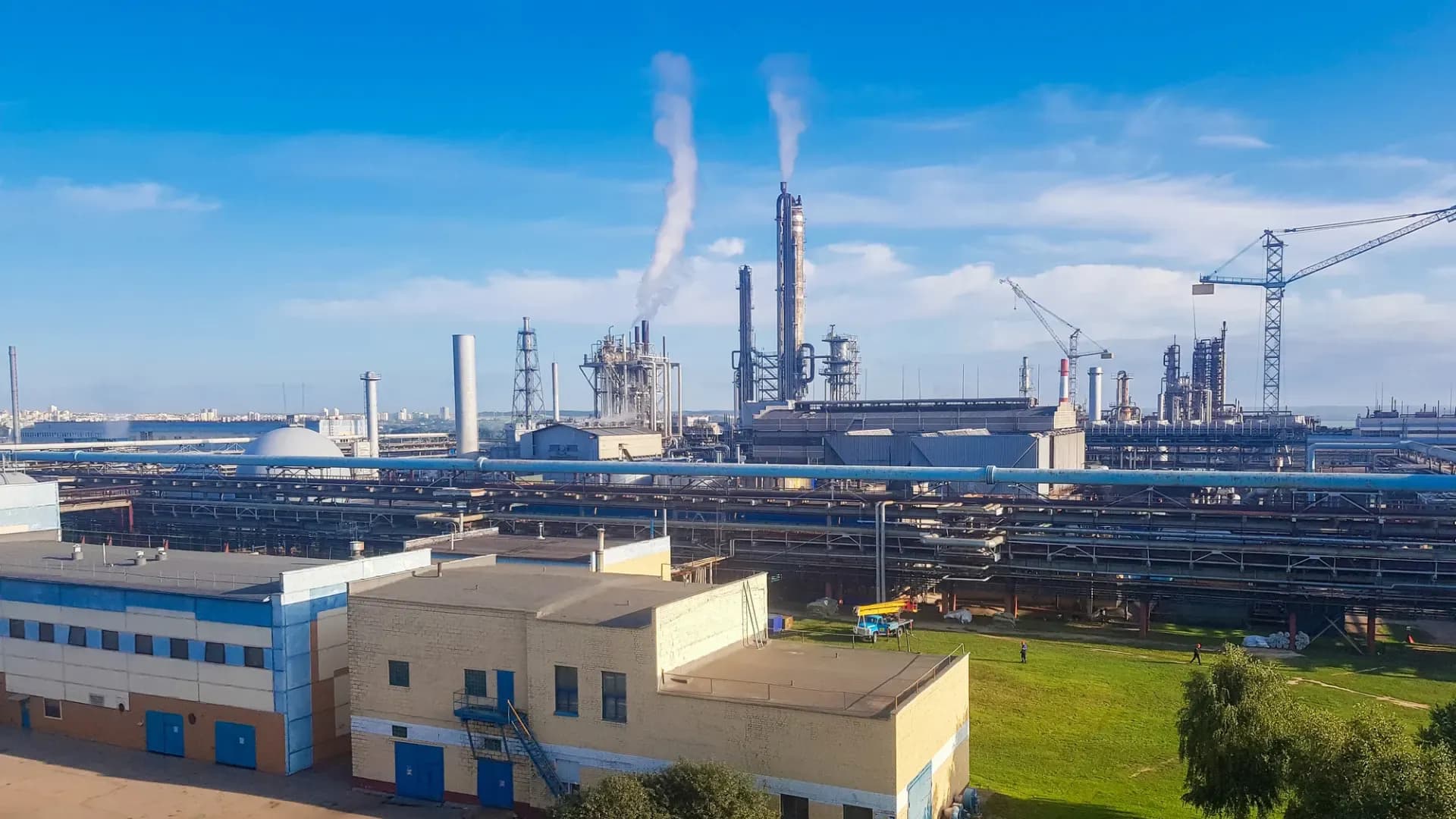
Pakistan Textile Sector the Latest Victim of Political & Economic Crisis

Pakistan Textile Sector the Latest Victim of Political & Economic Crisis (Source : Shutterstock)

663
SHARES
3.7k
VIEWS
FacebookTwitterRedditWhatsAppLinkedInFacebook

Pakistan’s textile industry, a key segment of its economy, is struggling, as a combination of factors is hitting consumption, investment, supply chains and exports simultaneously. The textile industry is now under immense pressure, with multiple challenges contributing to its decline.  

The price of electricity has doubled after an IMF deal to roll back energy subsidies, severe flooding wreaked havoc on cotton fields, leading to raw material shortages, and the government has imposed restrictions on imports in an effort to conserve scarce forex. This situation has forced hundreds of factories to shut down or operate with reduced shifts, resulting in massive worker layoffs. 

The textile industry is a major pillar of Pakistan’s economy, employing more than 40% of its industrial labor. For a country in severe need of foreign exchange, the sector is a lifesaver, making up 60% of Pakistani exports. These exports mainly go to the USA, EU, UK, Turkey, and the UAE. However, these exports have declined sharply from their pandemic peak of $1.6 billion to 1.3 billion, a drop of 20%. The country’s market share has also declined from 2.25 percent to 1.7 percent over the past two years. 

A chain of interrelated factors has left the industry in shambles 

Following the devastating floods in the summer of 2022, cotton production in Pakistan plummeted to an unprecedented low. However, the textile industry was unable to offset this decline by purchasing cotton from abroad due to a government-imposed ban on imports aimed at conserving foreign exchange reserves. This import ban led to crushing delays as thousands of containers holding the raw materials and machinery fuelling the country’s industries remained stranded for months at the port of Karachi. 

In addition to the pain caused by the disrupted supply chains, textile companies also had to deal with a big jump in the cost of capital. The central bank has responded to record-breaking inflation of 38% by pushing interest rates to over 20 per cent. This made new borrowing and investment much harder and increased the burden of previous debts.  

Pakistan eventually managed to shore up its forex reserves by securing a $3 billion loan from the International Monetary Fund (IMF) in mid-July, supplemented by loans from China, Saudi Arabia, and the United Arab Emirates. However, one of the conditions attached to the IMF bailout was the cessation of energy subsidies, leading to a sharp rise in electricity prices. This rise in energy costs has directly hurt the competitiveness of Pakistani textiles, making it difficult to compete with mills in neighbouring countries. 

Political instability has exacerbated the situation 

There are other macro factors at play here as well, such as roiling political instability in the country. The removal of Imran Khan as PM and his subsequent trial and arrest for corruption have affected business confidence and muddied government policy. The government has been more concerned with containing rampant terrorism, quelling riots, and shoring up its domestic position ahead of upcoming elections rather than focusing on saving its key industries. At the same time, export demand is also weak as the global economy struggles with low consumer confidence, trade disruptions, and bearish investor sentiment. 

The downturn has forced many workers to ration food as they struggle to make ends meet. In Faisalabad, a city referred to as the “Manchester of Pakistan” for its large textile production, hundreds of thousands of the 1.3 million textile workers, half of whom are women, have lost their jobs, and many more are at immediate risk of losing theirs. It is estimated at least 700,000 people have lost their jobs across the country, and almost 25 to 30% of textile factories have shut down. 

The people of Pakistan are already struggling under high food and energy prices, and the loss of employment and foreign exchange generated by the textile sector is catastrophic. Only a clear and determined push by a strong government post elections is capable of reversing course and preventing yet another sector of the Pakistani economy from collapsing.  

Tags: economic crisiseconomyPakistanTextile Industry
The Global Economics

The Global Economics

The Global Economics Limited is a UK based financial publication and a bi-annual business magazine giving thoughful insights into the financial sectors on various industries across the world. Our highlight is the prestigious country specific Annual Global Economics awards program where the best performers in various financial sectors are identified worldwide and honoured.

Related Posts

Economic Development and Business Expansion Across the Pacific Island Nations
Commercial

Economic Development and Business Expansion Across the Pacific Island Nations

by The Global Economics
April 2, 2026
A Nation Recalibrated: Canada’s New Economic Blueprint in the Age of AI
Economy

A Nation Recalibrated: Canada’s New Economic Blueprint in the Age of AI 

by The Global Economics
March 30, 2026
Latin America’s Informal Economy In 2026: Is Formalisation Finally Gaining Momentum?
Economy

Latin America’s Informal Economy In 2026: Is Formalisation Finally Gaining Momentum? 

by The Global Economics
March 28, 2026
European Demographics In 2026: Is The Ageing Population Becoming A Structural Growth Constraint?
Economy

European Demographics In 2026: Is The Ageing Population Becoming A Structural Growth Constraint? 

by The Global Economics
March 27, 2026
Australia’s Services Economy In 2026: Can Education And Tourism Replace Volatile Export Revenues?
Economy

Australia’s Services Economy In 2026: Can Education And Tourism Replace Volatile Export Revenues? 

by The Global Economics
March 26, 2026
Twitter Youtube LinkedIn Soundcloud
the global economics logo

The Global Economics Limited is a UK based financial publication and a Bi-Monthly business magazine giving thoughtful insights into the financial sectors on various industries across the world. Our highlight is the prestigious country specific Annual Global Economics awards program where the best performers in various financial sectors are identified worldwide and honoured.

DMCA.com Protection Status

  • Privacy
  • Legal
  • Terms of Use
  • Client’s Voice
  • Server Status

norton verified - the global economics

Latest Posts

Economic Development and Business Expansion Across the Pacific Island Nations

Economic Development and Business Expansion Across the Pacific Island Nations

April 2, 2026
The Rise of Asia’s Consumer Economy: A $36 Trillion Opportunity

The Rise of Asia’s Consumer Economy: A $36 Trillion Opportunity

April 1, 2026
Startup Funding Surge in GCC Signals Strong Investor Confidence in 2026

Startup Funding Surge in GCC Signals Strong Investor Confidence in 2026 

March 31, 2026
Download The Global Economics PWA to your mobile or Desktop
PWA App Download
Download The Global Economics Android App to your mobile or Desktop
Android App
Download The Global Economics IOS App to your mobile or Desktop
IOS App

All Rights Reserved © 2020 | 🇬🇧 The Global Economics, Business Finance Publication - www.theglobaleconomics.uk 🌏

Welcome Back!

Sign In with Facebook
Sign In with Linked In
OR

Login to your account below

Forgotten Password? Sign Up

Create New Account!

Sign Up with Facebook
Sign Up with Linked In
OR

Fill the forms below to register

*By registering into our website, you agree to the Terms & Conditions and Privacy Policy.
All fields are required. Log In

Retrieve your password

Please enter your username or email address to reset your password.

Log In
No Result
View All Result
  • About us
  • Awards
  • Magazine
  • Client’s Voice
  • Exclusive Coverage
  • Nominate
  • Login
  • Sign Up

All Rights Reserved © 2020 | 🇬🇧 The Global Economics, Business Finance Publication - www.theglobaleconomics.uk 🌏

This website uses cookies. By continuing to use this website you are giving consent to cookies being used. Visit our Privacy and Cookie Policy.