
• About us
  • Advertise
  • Contact
  • Nominate
  • Client’s Voice
  • Login
  • Register
📖 Magazine
The Global Economics
  • Home
  • Banking
  • Non Banking
  • Markets
  • Infrastructure
  • Lifestyle
  • FeatureNew
  • Awards
No Result
View All Result
  • Home
  • Banking
  • Non Banking
  • Markets
  • Infrastructure
  • Lifestyle
  • FeatureNew
  • Awards
No Result
View All Result
The Global Economics
No Result
View All Result
Home Infrastructure Real Estate

Minted Australian Properties Exit the Million-Dollar Club Following Interest Surge
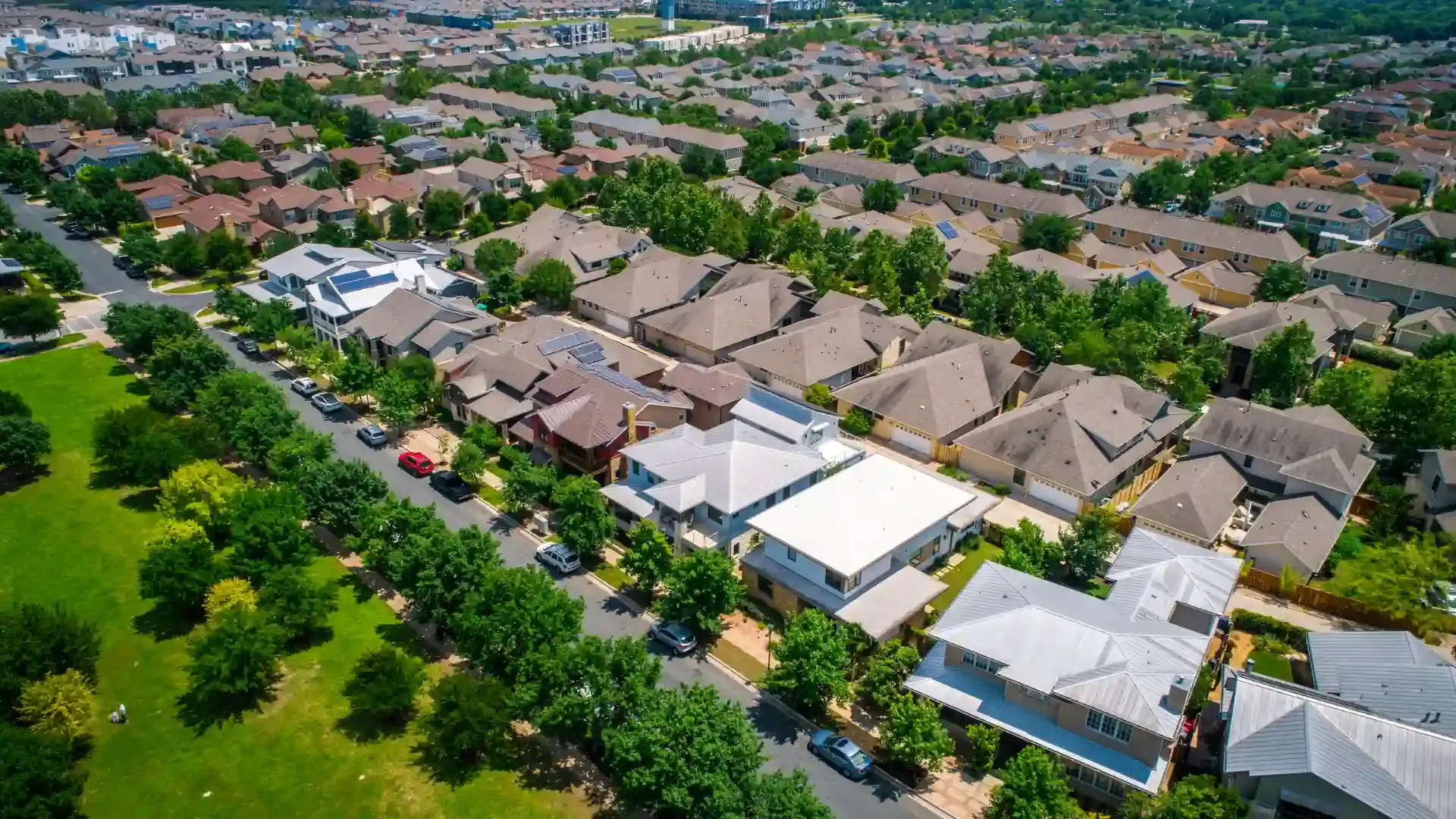
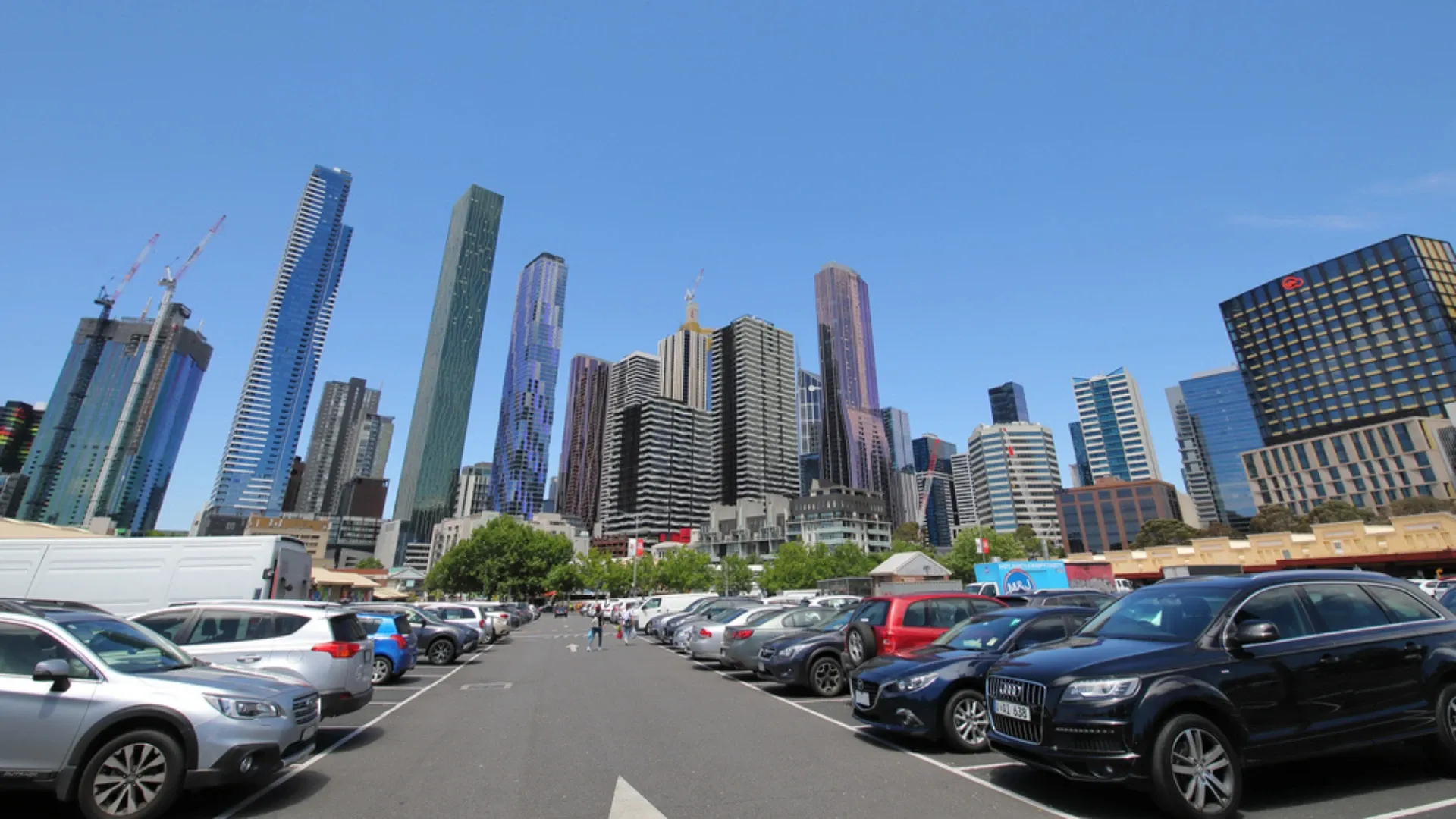
A regional property report published this week by CoreLogic reveals that property and house values have dropped by 6% or more across the six major popular housing segments in Australia in the past quarter.

Jagriti Saha by Jagriti Saha
November 22, 2022
in Real Estate, The Global Economics, Top Stories
Reading Time: 3 mins read
0
Minted Australian Properties Exit the Million-Dollar Club Following Interest Surge

Minted Australian Properties Exit the Million-Dollar Club Following Interest Surge

35
SHARES
196
VIEWS
FacebookTwitterRedditWhatsAppLinkedInFacebook

Almost 200 mint condition properties have lost their $1 million value tag since the interest rate hikes commenced in May of this year.

A regional property report published this week by CoreLogic, a financial services company headquartered in the US, reveals that property and house values have dropped by 6% or more across the six major popular housing segments in Australia in the past quarter. Almost 200 mint condition properties have lost their $1 million value tag since the interest rate hikes commenced in May of this year.

Sydney in Australia has lost the largest number of million-dollar value suburbs, 66 in all, followed by Melbourne losing 29 and Brisbane 28. Areas in regional NSW saw a dip of 36 properties, with Queensland losing 17 suburbs and Regional Victoria 6 suburbs from the $1 million value list. Eight suburbs in ACT, 3 in Adelaide, and 4 in Hobart also slipped out of the million-dollar club. It is observed that properties lying in the outer ring and regional centers that had previously boomed in the pandemic have lost their million-dollar badge of honour.

Property has always been a premium sector for the land down under. The residential market holds an approximate worth of $10 trillion which is five times the GDP of Australia. Economists believe the downturn faced by the housing market is becoming broad-based with the rise in interest rates, with 87.8% of regional properties reporting a decline in prices. CoreLogic data shows that Australia has faced a decline in property prices for the past six months. On the other hand, SQM research data brings out the rental statistics showing rents have spiked by nearly a quarter in all the five capital cities in the past year alone.

The suburbs in Melbourne, Australia that exited the million-dollar price range are mostly located in the outer east, northeast and southeast regions covering houses in Diamond Creek, Lower Plenty, Gisborne and Keilor. House prices in Croydon North, Forest Hill, and Kilsyth South have been slumping by 7.9%, 8.7% and 8.1%, respectively, over 6 months.

In Brisbane, properties in Gordon Park, Kedron, McDowall, Stafford and Stafford Heights in the north and Fairfield, Mount Gravatt, and Mansfield in the south have exited the list.

Belair and Craigburn Farm, located south of Adelaide, have dropped out of the club in addition to ACT’s Denmark Prospect, Flynn, Fraser, Gowrie, Watson, Weston, Harrison and Macquaire.

The dwelling prices of Sydney have fallen by 10.5% since May, whereas for Melbourne, it has fallen by 6.6% and by 6.3% for Brisbane.

Property sales have softened in the past months, with properties taking up an extra two or three days longer to sell, and sales volume has thereby declined. Regional markets are, however, doing better than capital cities, mainly for two reasons. One, the prices had gone up very fast in terms of dollars during the pandemic; buyers are now facing affordability issues, thereby shrinking the price. Two, the number of properties available for sale in regional areas is low; hence it is preventing larger declines in various regional zones. Real estate experts believe this fall in house prices in Australia was long overdue.

Property Market Predictions for 2023

Experts predict that house prices could fall by 15%-20% before the property market bottoms out. It could set in as soon as the first quarter or first half of 2023. Even if interest further rises up, the renting-buying trade-off will slowly favour the buying prospects. So far, the rapid interest rate spike was squeezing buyers’ borrowing power, making them incapable of property purchases after the boom seen during the pandemic.

Queensland is expected to experience the strongest housing price growth in 2023 due to its population growth and the upcoming Olympic games, and various infrastructure projects. Interest rates will stabilise and then fall gradually over 2023, leading to buyers entering the market and investors seeking better returns. Brisbane and Queensland are predicted to be the cream zones with the best-performing properties in the following year.

Via: short URL
Tags: GDP of AustraliaInterest SurgemelbourneMinted Australian PropertiesProperty MarketRegional market
Jagriti Saha

Jagriti Saha

Related Posts

A Calculated Expansion: Shell’s $16.4 Billion Move Reshapes the Energy Landscape
Energy

A Calculated Expansion: Shell’s $16.4 Billion Move Reshapes the Energy Landscape 

by The Global Economics
May 4, 2026
Joining Hands: Regional Cooperation Moves Latin America’s Economy Forward
Economy

Joining Hands: Regional Cooperation Moves Latin America’s Economy Forward 

by The Global Economics
May 2, 2026
North America's Entry into the Commercial Space Economy: A Strategic Leap Towards Sovereignty and Innovation
Feature

North America’s Entry into the Commercial Space Economy: A Strategic Leap Towards Sovereignty and Innovation 

by The Global Economics
April 27, 2026
From Oversupply to Opportunity: What China’s Property Slowdown Means for APAC Investors
Economy

From Oversupply to Opportunity: What China’s Property Slowdown Means for APAC Investors 

by The Global Economics
April 22, 2026
SME Credit Gap in GCC: Unlocking a $250 Billion Opportunity for Fintech and Private Credit Markets 
Feature

SME Credit Gap in GCC: Unlocking a $250 Billion Opportunity for Fintech and Private Credit Markets 

by The Global Economics
April 21, 2026
Twitter Youtube LinkedIn Soundcloud
the global economics logo

The Global Economics Limited is a UK based financial publication and a Bi-Monthly business magazine giving thoughtful insights into the financial sectors on various industries across the world. Our highlight is the prestigious country specific Annual Global Economics awards program where the best performers in various financial sectors are identified worldwide and honoured.

DMCA.com Protection Status

  • Privacy
  • Legal
  • Terms of Use
  • Client’s Voice
  • Server Status

norton verified - the global economics

Latest Posts

A New Oil Order: UAE’s OPEC Exit and the Future of Energy Power in the Gulf

A New Oil Order: UAE’s OPEC Exit and the Future of Energy Power in the Gulf

May 5, 2026
A Calculated Expansion: Shell’s $16.4 Billion Move Reshapes the Energy Landscape

A Calculated Expansion: Shell’s $16.4 Billion Move Reshapes the Energy Landscape 

May 4, 2026
Redesigned format of the convenience store, Othaim Express

Al Othaim Markets: Built on Trust, Shaped by Scale, Focused on Value

May 4, 2026
Download The Global Economics PWA to your mobile or Desktop
PWA App Download
Download The Global Economics Android App to your mobile or Desktop
Android App
Download The Global Economics IOS App to your mobile or Desktop
IOS App

All Rights Reserved © 2020 | 🇬🇧 The Global Economics, Business Finance Publication - www.theglobaleconomics.uk 🌏

Welcome Back!

Sign In with Facebook
Sign In with Linked In
OR

Login to your account below

Forgotten Password? Sign Up

Create New Account!

Sign Up with Facebook
Sign Up with Linked In
OR

Fill the forms below to register

*By registering into our website, you agree to the Terms & Conditions and Privacy Policy.
All fields are required. Log In

Retrieve your password

Please enter your username or email address to reset your password.

Log In
No Result
View All Result
  • About us
  • Awards
  • Magazine
  • Client’s Voice
  • Exclusive Coverage
  • Nominate
  • Login
  • Sign Up

All Rights Reserved © 2020 | 🇬🇧 The Global Economics, Business Finance Publication - www.theglobaleconomics.uk 🌏

This website uses cookies. By continuing to use this website you are giving consent to cookies being used. Visit our Privacy and Cookie Policy.