
Homecoming with a Twist: Can Chipotle Win Mexico’s Heart in the Birthplace of Its Flavours?
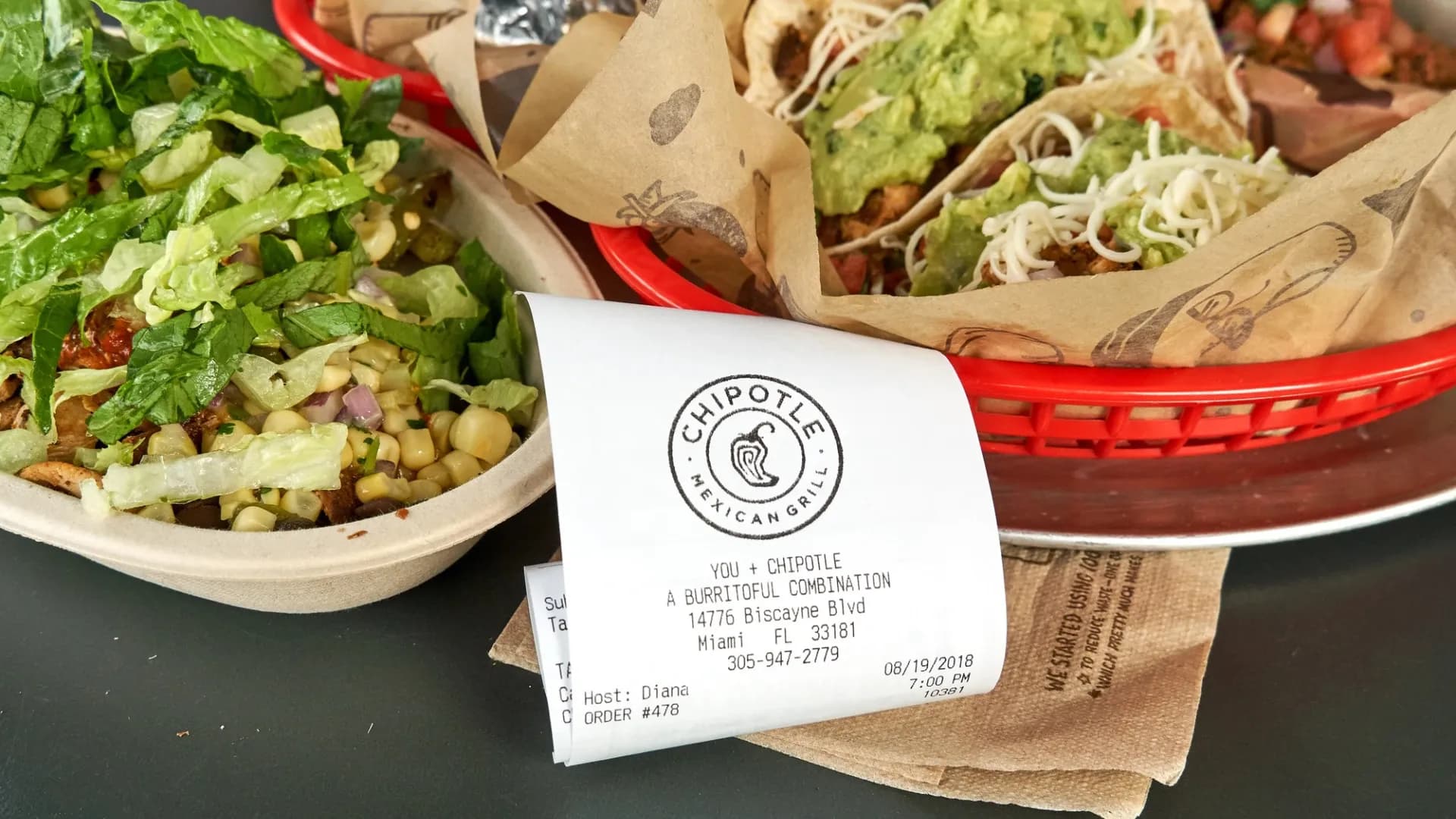

Chipotle’s first Mexican restaurant opened in San Pedro Garza García, an affluent municipality within the Monterrey metropolitan area in Nuevo Leon.
For more than three decades, Chipotle Mexican Grill has built a global reputation by serving burritos, tacos and bowls inspired by Mexican cuisine. Yet until now, one market had remained conspicuously absent from its international footprint: Mexico itself. In a move that many industry observers describe as both ambitious and symbolic, the American fast-casual restaurant chain has officially opened its first outlet in Mexico, marking one of the boldest expansion decisions in the company’s history.
The move immediately raises a compelling business question. Can an American restaurant giant successfully sell Mexican-inspired food to Mexican consumers, whose culinary traditions have shaped global gastronomy for centuries? The answer will not only determine Chipotle’s future in Latin America but could also become a defining case study in international retail expansion.
Chipotle’s first Mexican restaurant opened in San Pedro Garza García, an affluent municipality within the Monterrey metropolitan area in Nuevo Leon. Rather than choosing the nation’s capital for its debut, the company deliberately targeted one of Mexico’s wealthiest and most internationally connected cities. The launch forms part of a wider partnership with restaurant operator Alsea, one of Latin America’s largest food-service groups, which already manages several well-known international brands across the region. Additional locations are planned in Nuevo León before expansion reaches Mexico City in 2027.
From a commercial perspective, the strategy appears logical. Monterrey has a strong corporate presence, higher disposable incomes and consumers who are already familiar with American restaurant brands through frequent cross-border travel and cultural exchange with the United States. This makes the city an ideal testing ground before a broader national rollout.
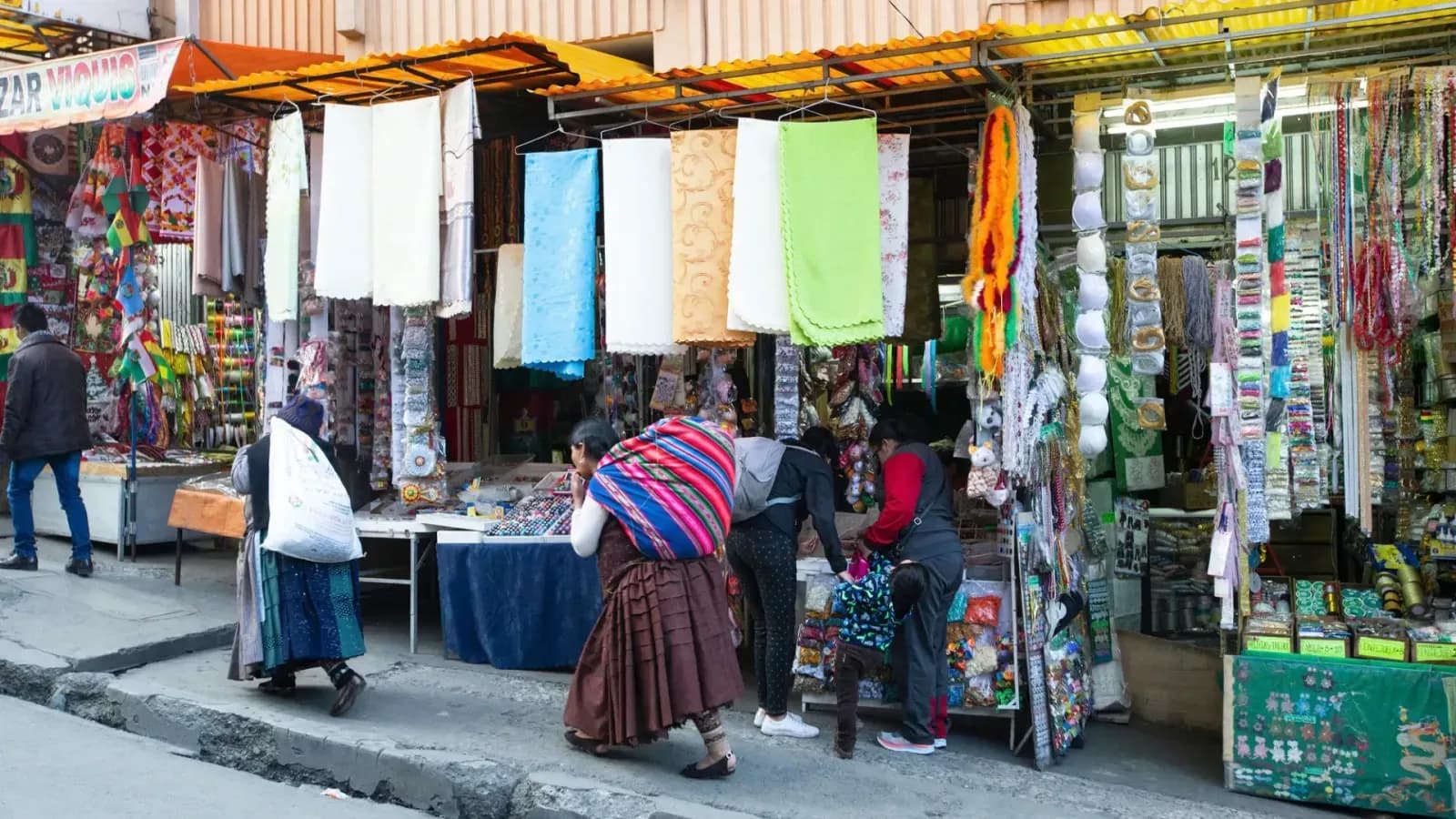
However, entering Mexico is unlike entering any other international market. The country possesses one of the richest and most diverse culinary cultures in the world. Authentic tacos, burritos, tortas and regional specialities are available on almost every street corner, often prepared by family-owned businesses using recipes passed down through generations. According to industry estimates, Mexico has around 147,000 taquerías, creating one of the most competitive food-service environments imaginable.
Unlike previous international expansions into Canada, the United Kingdom or Europe, Chipotle is no longer introducing unfamiliar flavours. Instead, it is attempting to differentiate itself through quality, convenience, food transparency and customer experience rather than authenticity alone.
This distinction could become the company’s greatest advantage.
Chipotle has consistently positioned itself as a premium fast-casual brand rather than a traditional fast-food chain. Its emphasis on responsibly sourced ingredients, freshly prepared meals and fully customisable orders has helped it establish a loyal customer base across North America and selected international markets. Executives believe these strengths can resonate with Mexican diners who increasingly value healthier eating options alongside traditional cuisine.
Rather than competing directly with inexpensive neighbourhood taco vendors, Chipotle is targeting urban professionals, younger consumers and international travellers seeking a modern dining experience. Its spacious restaurant layouts, digital ordering capabilities and consistent service standards represent a different proposition from the country’s highly fragmented street-food sector.
Nevertheless, the company faces considerable challenges.
Perhaps the biggest obstacle is perception. For many Mexicans, Chipotle represents an American interpretation of their national cuisine rather than Mexican food itself. Social media reactions following the launch reflected a mixture of curiosity, humour and scepticism. Some users compared the expansion to “opening an Italian-American restaurant in Rome”, while others questioned why local consumers would choose a premium-priced burrito when authentic alternatives are readily available nearby.
Taco Bell famously attempted to establish itself in Mexico on multiple occasions but ultimately failed to gain lasting traction. Consumers often viewed its menu as overly Americanised and lacking the authenticity they expected. The experience demonstrated that success in one international market does not automatically translate into acceptance in the country where the cuisine originated.
Chipotle’s management appears well aware of these historical lessons. Company executives have repeatedly emphasised respect for Mexican culinary traditions rather than claiming superiority over local cuisine. They have also highlighted their intention to source many ingredients regionally while learning directly from Mexican consumer preferences as the expansion progresses.
Another important factor working in Chipotle’s favour is its partnership with Alsea.
Rather than managing operations independently, Chipotle has chosen one of the region’s most experienced restaurant operators. Alsea already oversees thousands of restaurant locations across Latin America and Europe, providing valuable expertise in site selection, supply-chain management, staffing and local consumer behaviour. Such partnerships frequently reduce the operational risks associated with entering unfamiliar markets and allow international brands to adapt more quickly to local conditions.
The Mexican launch also reflects Chipotle’s broader international ambitions.
The company now operates more than 4,100 restaurants worldwide and plans to open between 350 and 370 new locations during 2026 as part of its long-term growth strategy. Alongside Mexico, expansion plans include new markets across Asia, demonstrating management’s increasing confidence that its operating model can succeed beyond North America.
For investors, Mexico represents far more than another country on the expansion map. Success would validate Chipotle’s ability to compete in culturally sophisticated food markets where consumers already possess deep knowledge of the cuisine being served. It would also strengthen confidence in future international opportunities where localisation and premium positioning become increasingly important competitive advantages.
The financial opportunity should not be underestimated. Mexico’s growing middle class, expanding urban population and increasing demand for premium dining experiences offer attractive long-term prospects for international restaurant operators. Although price sensitivity remains an important consideration, consumers are increasingly willing to pay more for perceived quality, convenience and brand reputation.
Still, Chipotle’s performance during its first few years will be closely scrutinised. Initial curiosity may generate strong opening sales, but sustaining customer loyalty will require continuous innovation, operational consistency and sensitivity to local tastes. The company cannot rely solely on its reputation in the United States. Mexican consumers will ultimately judge the brand against some of the world’s finest traditional food rather than against competing fast-food chains.
That challenge makes this expansion uniquely fascinating.
Rather than exporting an unfamiliar cuisine abroad, Chipotle is effectively bringing an American interpretation of Mexican-inspired dining back to its cultural origins. It is a commercial experiment that blends branding, globalisation and consumer psychology in equal measure.
Whether Chipotle ultimately becomes a long-term success in Mexico or joins the list of foreign restaurant brands that struggled to gain acceptance, its entry marks an important milestone in the evolution of the global restaurant industry. For multinational food companies, the message is increasingly clear: international expansion today is no longer simply about opening new outlets. It is about understanding local identity, respecting cultural heritage and proving that a global brand can add genuine value, even in the very place where its inspiration was born.
Top of Form
Bottom of Form