
Luxury Yacht Tourism Powers the GCC’s Blue Economy
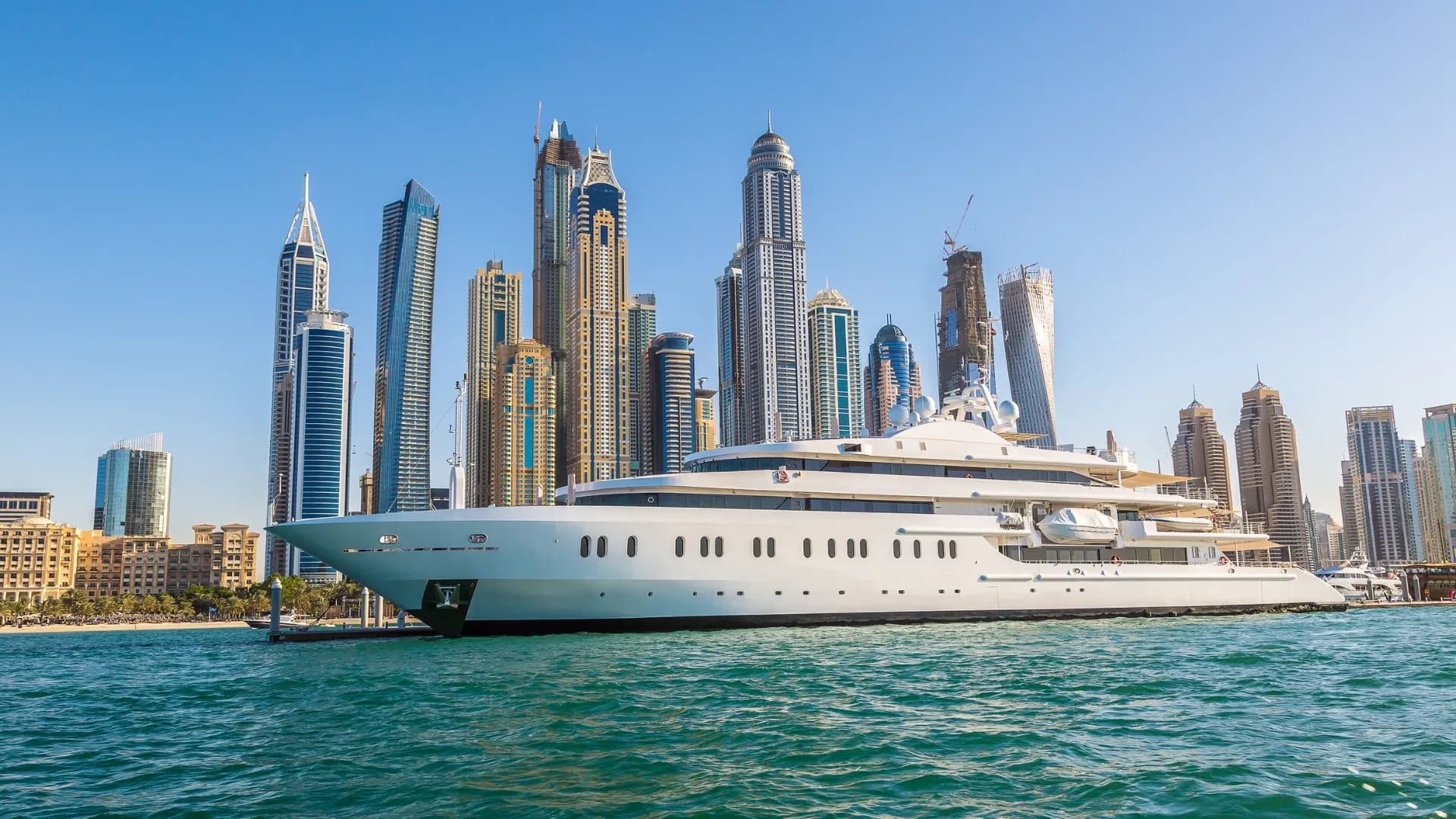

Across the United Arab Emirates, Saudi Arabia, Qatar, Oman and Bahrain, billions of dollars are being invested in marinas, waterfront destinations, cruise infrastructure and marine leisure experiences.
For decades, the Gulf Cooperation Council (GCC) has been recognised as a global powerhouse built on energy exports, world-class aviation and luxury hospitality. Today, however, a new chapter is unfolding across the Arabian Gulf and the Red Sea. Luxury yacht tourism is rapidly emerging as one of the region’s most promising blue economy opportunities, offering governments, investors and tourism operators a high-value industry capable of generating sustainable economic growth beyond hydrocarbons.
The shift is no coincidence. Across the United Arab Emirates, Saudi Arabia, Qatar, Oman and Bahrain, billions of dollars are being invested in marinas, waterfront destinations, cruise infrastructure and marine leisure experiences. These developments are aligned with long-term national diversification strategies that seek to transform coastal assets into engines of tourism, real estate, employment and foreign investment. As international demand for premium travel continues to evolve, the GCC is positioning itself as the world’s next major luxury yachting destination.
The blue economy, once primarily associated with fisheries, shipping and offshore energy, has expanded to include marine tourism as one of its fastest-growing sectors. Luxury yacht tourism occupies the highest end of this market, attracting ultra-high-net-worth individuals, charter operators and international visitors whose spending extends well beyond marina fees. Every yacht arrival generates demand for luxury hotels, fine dining, maintenance services, retail, entertainment, cultural experiences and professional marine services. This multiplier effect makes the sector particularly attractive for economies seeking diversified and resilient revenue streams.
Saudi Arabia has arguably become the most ambitious player in this transformation. Under Vision 2030, the Kingdom is investing heavily in the Red Sea coastline, creating an entirely new tourism ecosystem centred around pristine islands, luxury resorts and world-class marinas. Developments linked to NEOM and the Red Sea Project are designed to attract superyachts while maintaining strict environmental standards. The Saudi Red Sea Authority has also introduced new regulatory frameworks and yacht charter licensing to encourage international operators and investors to enter the market.
The United Arab Emirates remains the regional benchmark for luxury marine tourism. Dubai has spent years building an international reputation through iconic waterfront developments, sophisticated marina infrastructure and high-profile events that attract yacht owners from around the world. Abu Dhabi is strengthening its position as well, with Yas Marina recently receiving internationally recognised superyacht accreditation, reinforcing its appeal among global yacht owners and charter companies.
Oman is also quietly building momentum. Rather than competing through scale alone, the Sultanate is focusing on natural beauty, sustainable coastal development and integrated waterfront projects. The recently opened Barka Marina combines fisheries, retail, leisure and marine tourism into a single destination, reflecting a broader strategy to diversify coastal economies while preserving environmental assets. Similar investments across Muscat and Salalah are expected to strengthen Oman’s position within the regional yachting network.
Qatar continues to leverage its premium infrastructure and international connectivity to expand luxury tourism offerings. Following its designation as the GCC Tourism Capital for 2026, Doha is expected to benefit from increased visitor numbers, international events and greater regional tourism collaboration. High-quality marinas, luxury waterfront developments and seamless transport links provide strong foundations for future yacht tourism growth.
Industry experts increasingly view the Gulf as an attractive seasonal alternative to traditional Mediterranean and Caribbean cruising routes. Warm winter weather, modern infrastructure and growing numbers of luxury destinations are encouraging yacht owners to extend their cruising calendars into the Arabian Gulf and the Red Sea. International brokerage firms and yacht management companies have already expanded their presence across the region, anticipating sustained demand over the coming decade.
The economic implications extend far beyond tourism. Luxury yacht ecosystems support a wide range of specialist industries, including yacht construction, maintenance, engineering, logistics, insurance, crew training, hospitality, event management and digital marine services. Each marina becomes a commercial hub capable of creating skilled employment while attracting international expertise and private capital. Governments across the GCC increasingly recognise that every investment in marine infrastructure strengthens broader economic diversification objectives.
Environmental sustainability has become another defining characteristic of the region’s strategy. Unlike previous waves of large-scale coastal development, many of today’s flagship projects integrate marine conservation into their planning. Protected coral reefs, low-impact construction methods, renewable energy systems and stricter environmental regulations are becoming standard components of premium waterfront developments. Sustainable tourism is no longer simply a marketing message but a commercial necessity, particularly for international travellers who increasingly value responsible luxury experiences.
Private investment is following government ambition. Luxury hotel brands, international marina operators, yacht brokers, real estate developers and marine technology companies are expanding their regional presence in anticipation of long-term demand. This growing ecosystem creates opportunities not only for multinational corporations but also for local entrepreneurs offering specialised marine services, hospitality experiences and luxury tourism products.
The sector nevertheless faces important challenges. Building globally competitive yacht destinations requires skilled maritime professionals, streamlined customs procedures, internationally recognised regulations and seamless cross-border cruising arrangements between GCC countries. Competition from established yachting destinations in Europe, Southeast Asia and the Caribbean also remains significant. Continued collaboration between governments, regulators and private investors will therefore be essential to ensure that infrastructure development is matched by operational excellence.
Despite these challenges, the long-term outlook remains highly encouraging. The GCC’s strategic geographic location between Europe, Asia and Africa, combined with sustained investment in tourism, transport and waterfront development, provides a strong foundation for future growth. As regional governments continue implementing ambitious economic diversification strategies, luxury yacht tourism is evolving from a niche leisure activity into a strategic economic sector capable of attracting investment, supporting employment and generating valuable non-oil revenues.
The emergence of luxury yacht tourism represents more than an expansion of the travel industry. It symbolises the GCC’s broader transformation towards innovation, sustainability and high-value economic activity. By unlocking the commercial potential of its coastlines and marine assets, the region is creating a blue economy that complements its global ambitions while strengthening resilience against future economic change.
In the years ahead, the world’s most discerning travellers may no longer view the Gulf solely as a destination of iconic skylines and luxury resorts. Increasingly, they are likely to see it as one of the world’s premier superyacht playgrounds, where exceptional marine experiences, cutting-edge infrastructure and visionary investment converge to redefine luxury tourism for a new generation.