
A Helping Hand: Is International Funding Enough To Make Africa’s Healthcare Systems Resilient?

The EU has made multiple promises to work with the African Union (AU) and the Africa Centre for Disease Control and Prevention to build the region’s pharmaceutical sector and increase its vaccine manufacturing capacity.
The European Union announced that it would provide over €100m in cash to boost healthcare across Africa, as shrinking aid budgets are hindering services. As part of the EU’s Global Gateway infrastructure investment arm, this cash will be directed towards national public health institutes, enhance health security, and expand digital health solutions across Africa.
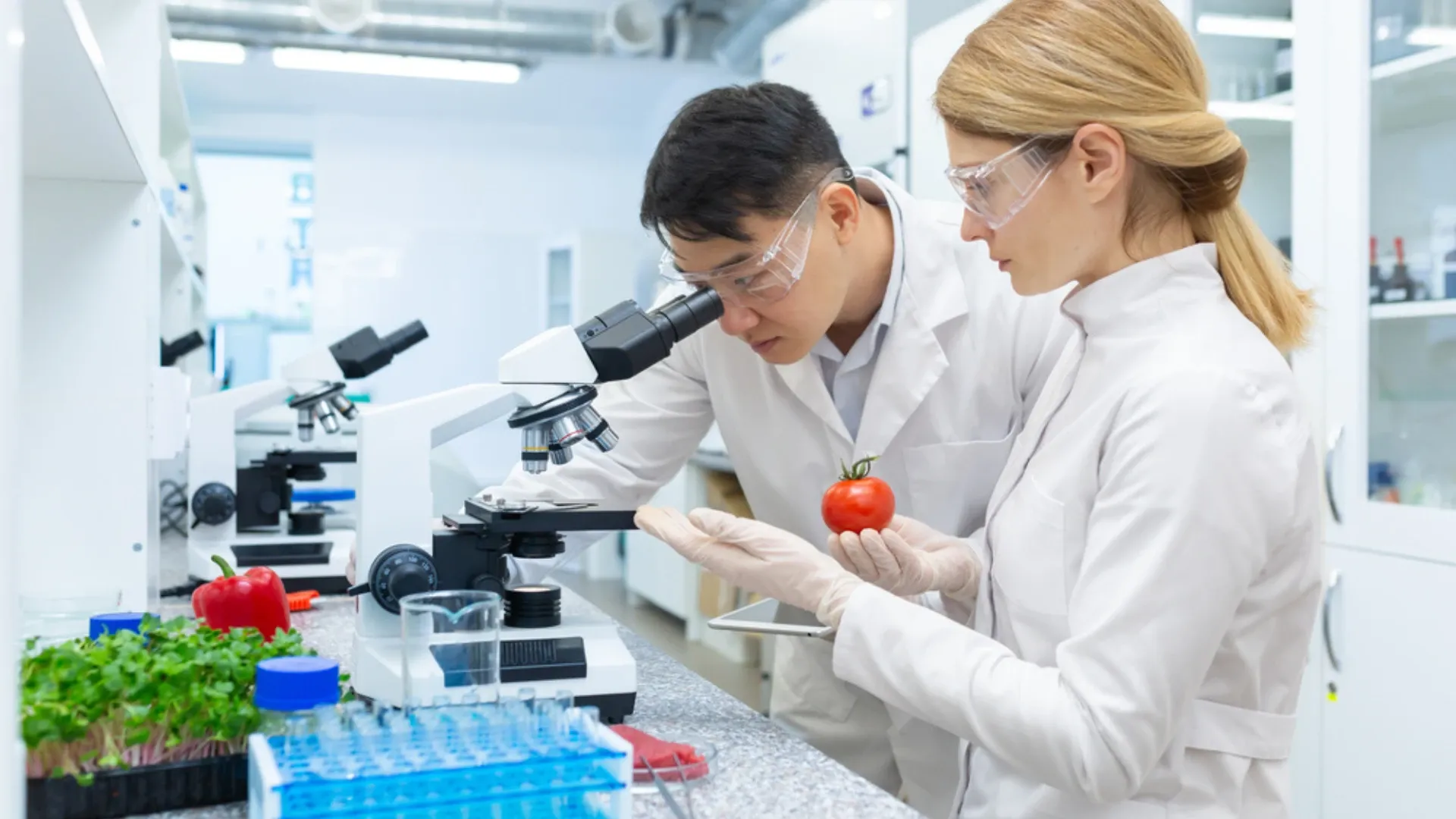
The EU has made multiple promises to work with the African Union (AU) and the Africa Centre for Disease Control and Prevention to build the region’s pharmaceutical sector and increase its vaccine manufacturing capacity. The bloc had also offered its support to harmonising regulations across the African Continental Free Trade Area.
According to the EU’s International Partnerships Commissioner, Jozef Sikela, the funding is to help the African continent be better prepared to detect disease outbreaks, handle pandemics and manage its health priorities. The EU has also provided funding and technical support for the AU’s efforts to establish an African Medicines Agency. Modelled on the Amsterdam-based European Medicines Agency, this African counterpart would be instrumental in coordinating healthcare and medicine regulations across the continent.
The EU hopes that the Global Gateway will aid in funding vaccine production and healthcare infrastructure across Africa, so that the continent can become more self-reliant and will no longer be vaccine dependent. AU leaders have also committed to manufacturing 60% of routine vaccines by 2040.
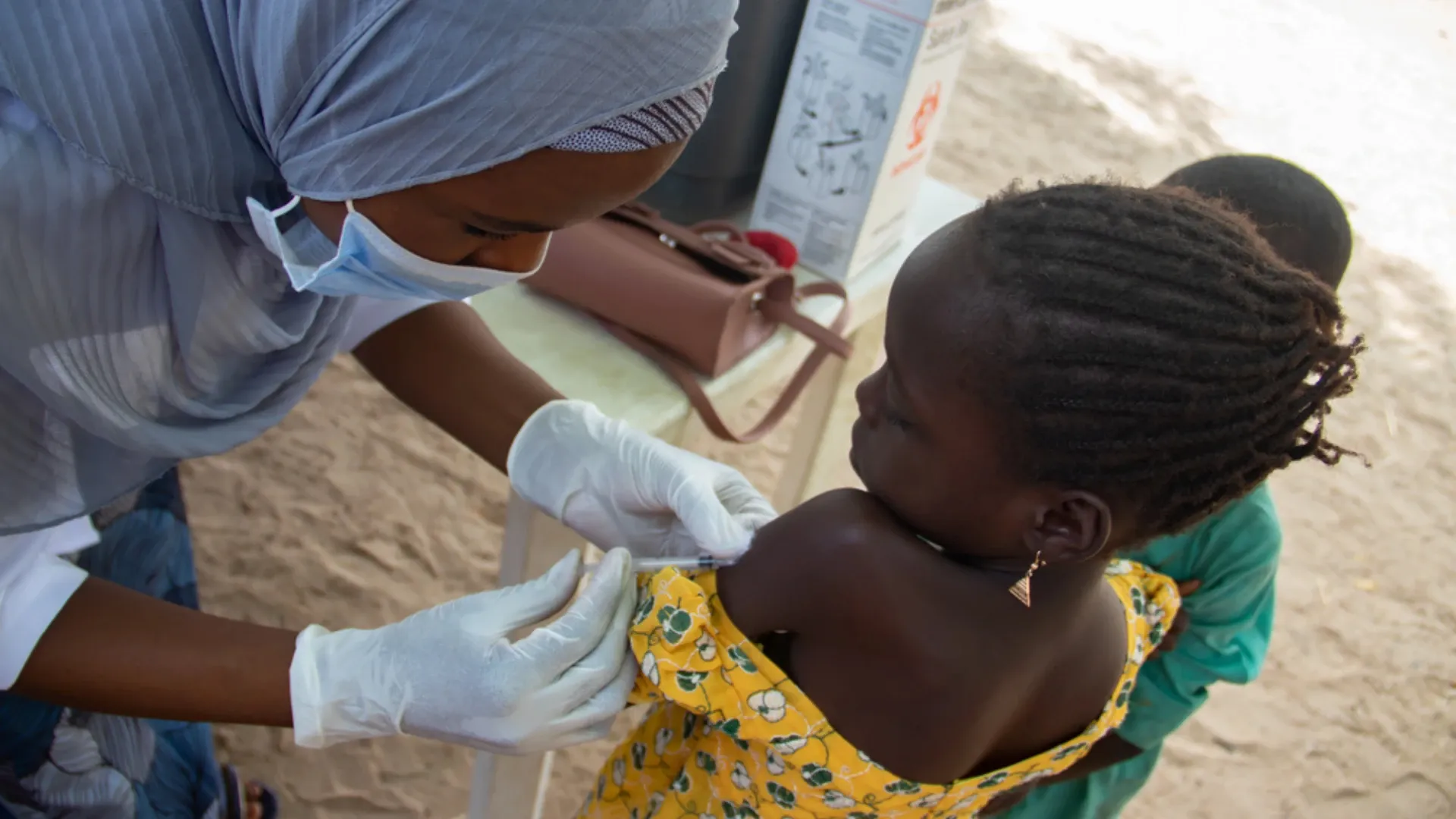
Africa is also working hard to meet its Universal Health Coverage (UHC) targets enshrined in the UN SDGs. Rwanda, Ethiopia, Kenya and Ghana are some countries making much strides in this initiative. The first step to realising the UHC is to improve primary health care (PHCs) systems. 70% of annual global maternal deaths occur in sub-Saharan Africa, and around 178,000 mothers and 1 million newborns die of preventable illnesses each year.
PHCs provide essential services like prenatal care and child vaccines, amongst other life-saving treatments. More than 60% of Africa’s population lives in rural areas, and more often than not, PHCs are the only available health services in such regions. The coronavirus pandemic was a real eye-opener for the public health sector, as it shed light on the lack of infrastructure needed to make public health systems resilient. Studies revealed that even basic amenities like water and electricity supply were not regularly available in these healthcare facilities. This inevitably meant that infection prevention protocols were not met, and therefore, the continent was grossly ill-equipped to handle a global pandemic.
A study titled ‘Bridging digital health gaps in South Africa: A qualitative study of the digital divide, interoperability and health equity’, published in Digital Health, also revealed that the lack of interoperability and limited digital access in healthcare in South Africa are not reducing inequalities in the sector, but instead, are reinforcing them.
According to the study, the digital divide, which acts as a gate that determines who can and cannot access digital health services, is the first and most significant barrier to equitable healthcare. In addition to internet accessibility, this disparity encompasses variations in infrastructure, cost, digital literacy, and institutional capacity.
The analysis shows that rather than being distinct technological issues, these structural constraints are closely related to broader socioeconomic and governmental conditions. Due to inadequate financing, antiquated technology, and unstable power supplies—including frequent outages caused by load shedding, many public buildings have found it difficult to implement even basic digital systems.
There is also a stark public-private disparity in South Africa, where the privately funded hospitals have adopted advanced digital technologies, whereas public health facilities, which cater to the majority of the population, are struggling with obsolete hardware, intermittent internet supply and staff shortages.
Health financing is a priority for most African countries, with international organisations also releasing aid and funds to help the continent. In November 2025, the African Development Bank Group and the World Health Organisation (WHO) entered into a bipartite funding, three-year agreement as part of the Sudan Health Emergency and Infrastructure Project (SHEIP).
This project also aims to improve quality and access to healthcare services in Sudan, along with building resilient health systems and strengthening emergency preparedness. This initiative will also help the WHO to improve its emergency response while also working in early recovery and key service restoration.
Africa has made great strides toward medical independence with the help of international funding. This financing goes beyond short-term assistance to address structural issues by supporting the African Medicines Agency and giving the Global Gateway program top priority. Financial injection, however, is insufficient to address the pervasive digital divide and the public-private inequalities that have been shown in nations like South Africa.
These multinational collaborations must be paired with local infrastructure upgrades, such as dependable power and digital literacy, in order to meet the 2040 vaccine manufacturing targets and provide universal health care. In the end, the only way to change African health systems from reactive to proactive is to support resilient primary healthcare.