

Africa’s Intra-Regional Trade In 2026: Is AfCFTA Delivering Real Economic Integration?
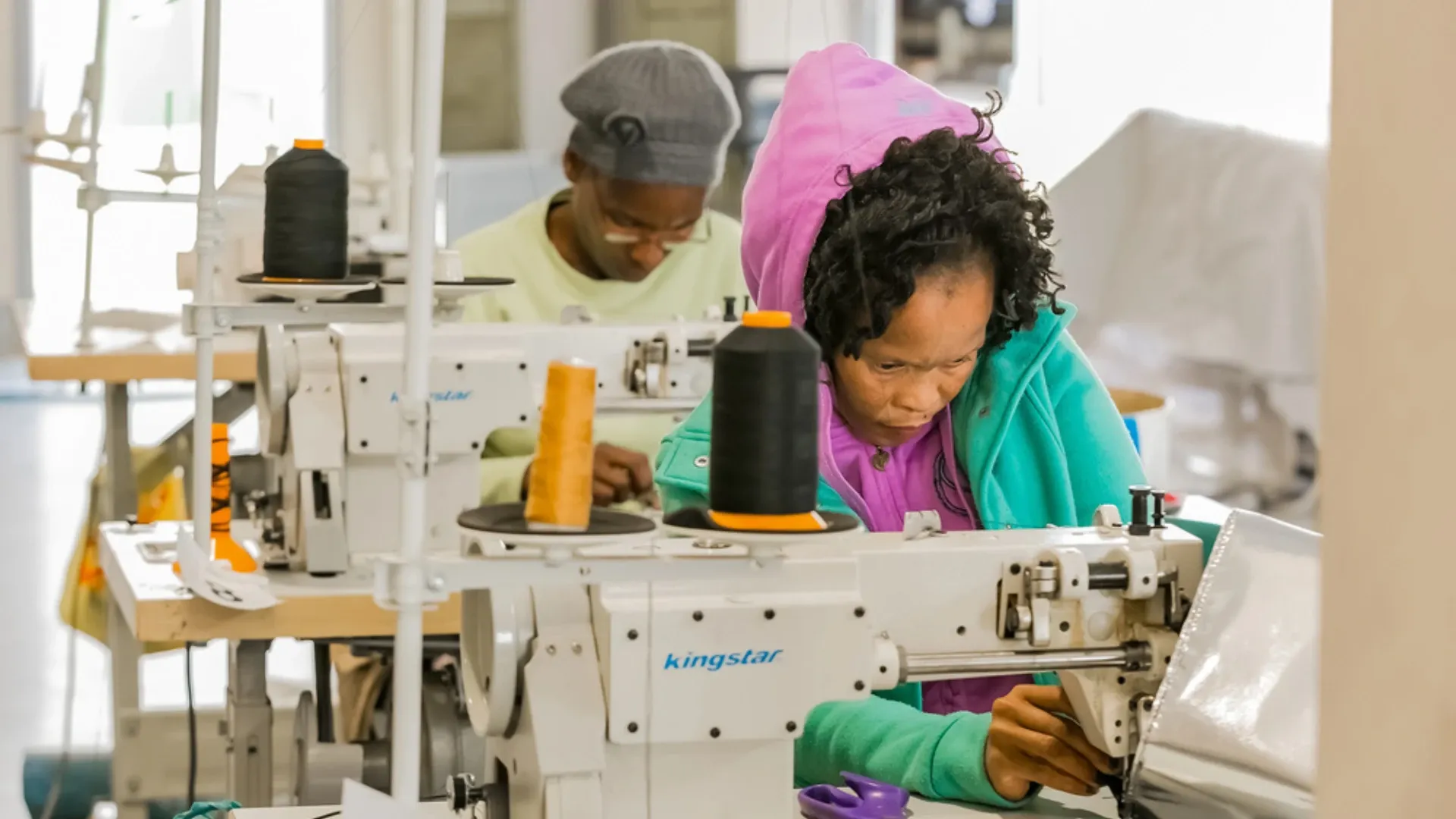

AfCFTA aims to create a single, liberalised market for goods and services and is also the first step towards establishing an eventual Continental Customs Union.
In 2018, 44 African Heads of State came together to adopt the African Continental Free Trade Area (AfCFTA) to boost trade and economic integration across the continent. This agreement was signed with a vision to improve Africa’s trading position in the global market by giving these countries a united voice in global trade negotiations.
AfCFTA aims to create a single, liberalised market for goods and services and is also the first step towards establishing an eventual Continental Customs Union. The agreement also promotes sustainable and inclusive socio-economic development while boosting competitiveness among the countries. The AfCFTA could also facilitate the inflow of FDI.
The projected volume of intra-African trade growth is estimated to reach $230 billion in 2026 and constitutes only 16% of Africa’s total commercial activity. This figure indicates a cyclical recovery despite the disruptions in the international supply chain, as well as diversified value chains of the raw materials to finish goods pipeline, which caters to regional demands. The continent is moving away from commodity dependence, as manufacturing and the agri-food processing sectors are forecast to comprise nearly 50% of regional trade.
Economic integration in Africa can only be achieved when historical trade barriers, which have thus far hindered regional commerce, are addressed. Banking intermediaries, which are time-consuming, are now being substituted with digital alternatives like the Pan-African Payment and Settlement System. This system has helped reduce foreign exchange costs by nearly 20-30%, while simultaneously enabling direct currency settlements between African central banks. 2025’s digital trade protocol adoption has made way for continental data governance standards and laid down e-commerce frameworks to help small businesses expand across the regional market.
Removing tariffs and creating a free trade zone was the primary feature of the AfCFTA, but its implementation has been poor and uneven. There are many regional blocs across the continent where high common external tariffs (CETs) are still in place, preventing the inflow of goods and services from a third country.
According to the AfCFTA, member nations have agreed to a 90% reduction of tariffs, with LDCs having up to ten years, and non-LDCs having up to five years. Economists have, however, estimated that many of these countries are dependent on tariff revenue, and their removal will therefore cost annual tariff revenue losses of $14.2 million in Kenya, $13.5 million in Uganda, $5.3 million in Tanzania, and $3.9 million in Rwanda, if AfCFTA commitments were fully implemented.
To protect domestic producers, Nigeria has maintained high tariffs on textiles, rice, wheat, and processed foods, despite these products being major exports from Ghana and Benin. In 2019 and 2020, border restrictions stemming from trade disputes undermined the purported advantages of the AfCFTA and led to a 65% decline in trade between Ghana and Benin. Businesses find it more challenging to plan investments in cross-border supply chains as a result of such acts, which erode trust in the agreement. Nigeria has also suffered as a result of this and has therefore removed levies on 90% of African exports in April 2025.
Despite decades of efforts to unite African economies, there is deep distrust between these countries, as a result of social and political differences. Centuries of colonisation and the subsequent exploitation of Africa’s resources have only added to this distrust. On the economic front, low levels of innovation, particularly in the private sector, have put the continent’s MSMEs at a disadvantage on the global stage, due to their lack of competitiveness.
The success of AfCFTA has also been impeded by several logistical and infrastructural challenges, such as inadequate transport networks and border facilities. Infrastructure investments are a top priority for African economies, but building the required infrastructure while remaining mindful of sustainability will take many years. This is also because reliance on external partners and ensuring interest alignment is an additional hurdle.
Economists have also pointed out that overlapping memberships with other regional organisations like the African Regional Economic Communities (RECs) are creating inconsistencies, which are ultimately slowing down the integration process. African countries have been advised to streamline their regional cooperative efforts for AfCFTA to succeed. There is also the problem of informal trade across borders, which poses as a roadblock to trade formalisation, keeping Africa from realising its maximum trade potential.
Perceived risks have made it difficult for domestic businesses to access the financial aid they need. A pan-African issue, the trade finance gap has been estimated to fall between $80-$120 billion annually. AfCFTA’s aim to spur industrialisation across the continent has also been stalled due to unsuccessful negotiations around the Rules of Origin (ROO) and prevailing focus on low-value-added activities like apparel assembly.
Historically, Africa’s trade has always leaned towards global powers. Presently, the continent’s biggest trading partner is China, which primarily imports raw materials and exports finished goods and heavy industrial products like machinery and electronics. This dynamic remains constant in Africa’s trade with other countries like the US, the EU, etc, thereby severely limiting its pathway to industrialisation.
African countries have recognised this disadvantage and are making every effort to make themselves more self-reliant. Industrial hubs are emerging across the continent; North Africa focuses on textiles and automotive manufacturing, West Africa takes the lead with agro-processing, and East Africa invests in logistics hubs and light manufacturing. With domestic production increasing, intra-continental trade is the first priority. E-commerce and digital marketing have also helped reshape the region’s supply chain by connecting African businesses with regional buyers through warehousing and last-mile delivery innovations.
The AfCFTA has enormous potential for Africa’s economic future in spite of these obstacles. Africa may realise its full economic potential by focusing on the recalibration and activation of the private sector, encouraging informal trade, and fixing infrastructure problems. Strategic alliances with other nations can also offer knowledge transfer and assistance in overcoming the challenges of regional integration. The success of AfCFTA could pave the way for Africa’s citizens to experience sustainable economic progress and prosperity by promoting innovation, building confidence, simplifying regional cooperation, and resolving infrastructure problems.