
Europe’s Green Economy Surge: How Climate Tech is Powering the Next Industrial Revolution


Within Europe, estimates indicate that green sectors could generate between 850,000 and 1.1 million additional jobs by the end of the decade, particularly across transport, renewable energy infrastructure, and energy systems.
The global transition towards clean energy is no longer a distant ambition but a defining economic transformation of the 21st century. Across Europe and beyond, green energy and climate technology are reshaping labour markets, industrial strategy, and investment priorities at an unprecedented pace. What was once framed primarily as an environmental imperative has evolved into a powerful economic engine, capable of generating millions of jobs, unlocking new industries, and redefining competitiveness in a carbon-constrained world.
At the heart of this transformation lies a remarkable surge in employment potential. The renewable energy sector alone employed approximately 16.6 million people globally by 2024, reflecting steady expansion despite short-term fluctuations driven by automation and geopolitical pressures. Looking ahead, projections suggest that the broader green transition could deliver a net gain of nearly 9.6 million jobs worldwide by 2030, even as traditional fossil fuel roles gradually decline. Within Europe, estimates indicate that green sectors could generate between 850,000 and 1.1 million additional jobs by the end of the decade, particularly across transport, renewable energy infrastructure, and energy systems.
The European Union has positioned itself at the forefront of this transformation through its ambitious Green Deal, a sweeping policy framework designed to achieve climate neutrality by 2050. Beyond its environmental objectives, the Green Deal functions as a strategic investment programme aimed at catalysing innovation, industrial renewal, and employment growth. The EU’s environmental goods and services sector already employs around 6.67 million people, accounting for over 3% of total employment and expanding significantly faster than the broader economy. This momentum is expected to accelerate as funding flows into renewable energy projects, energy efficiency upgrades, and circular economy initiatives.
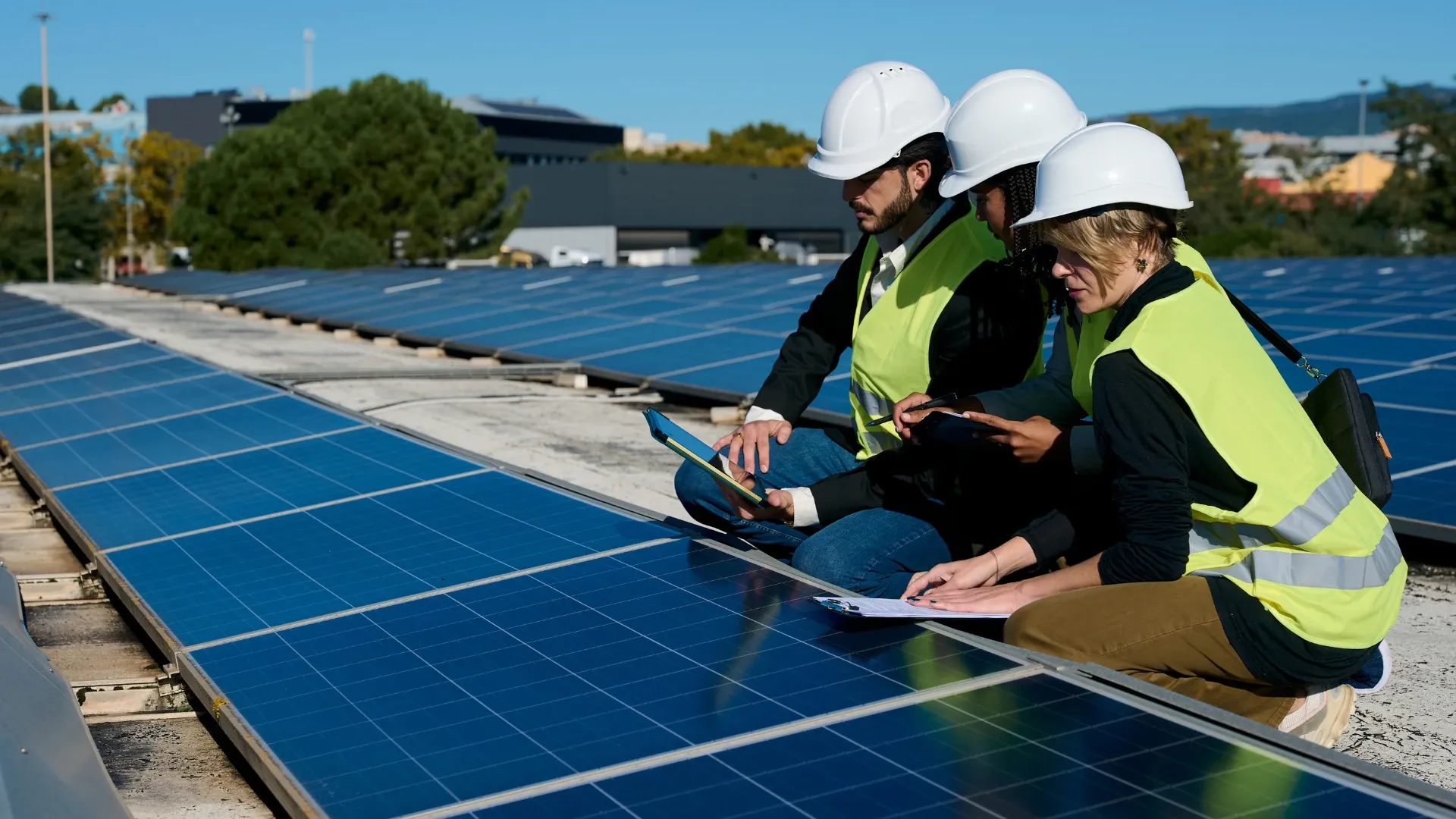
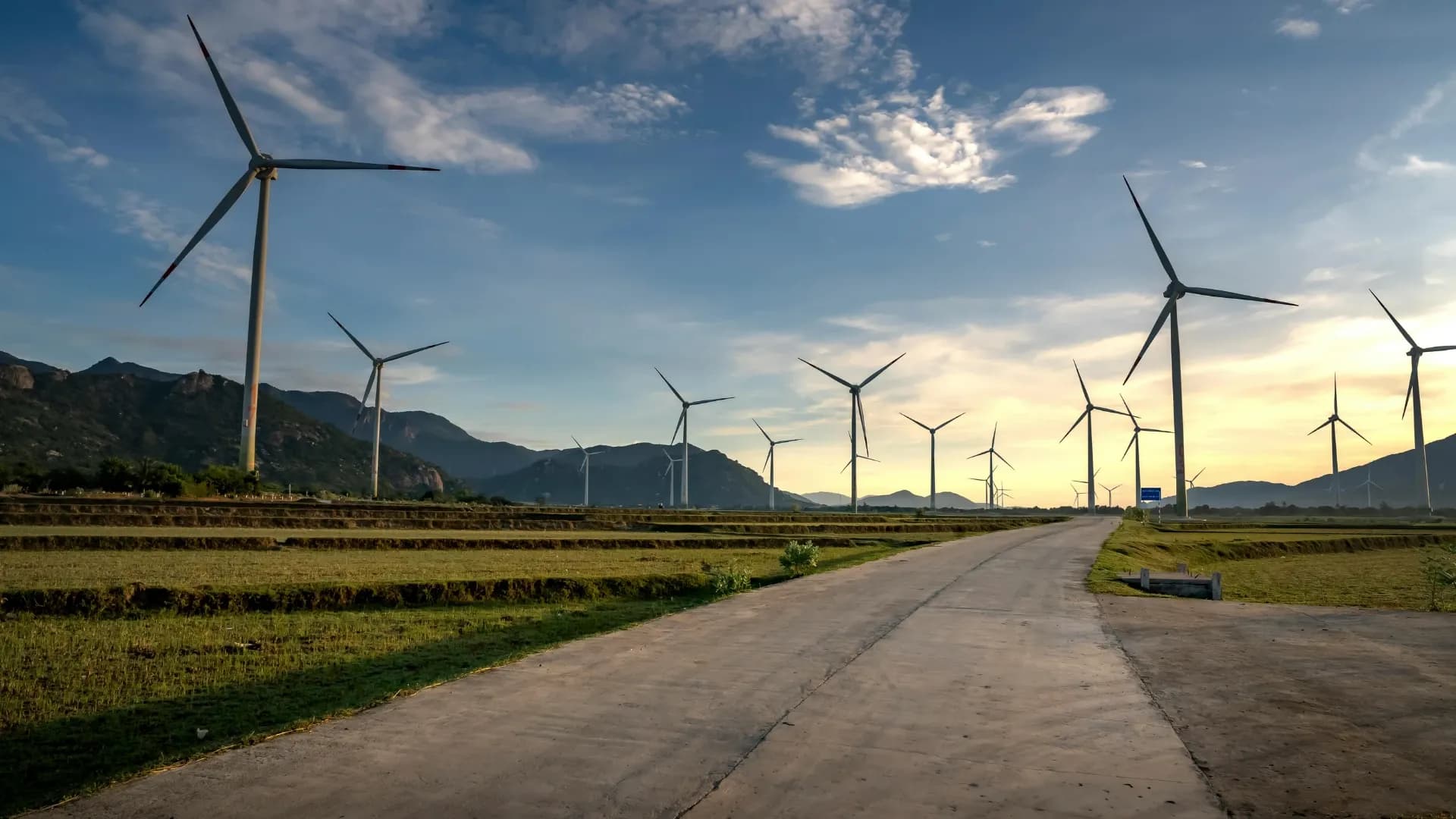
The employment impact of this transition is not confined to traditional energy generation. Instead, it spans a diverse ecosystem of industries, from advanced manufacturing to digital infrastructure. Solar power, wind energy, battery production, and grid modernisation are emerging as major job creators, with solar alone projected to add over 1.4 million roles globally by 2030. Similarly, the expansion of electric vehicles and battery technologies is expected to generate millions of new positions, reflecting the growing convergence between clean energy and mobility systems.
Crucially, the rise of green energy is also driving a wave of industrial innovation. Breakthrough technologies such as green hydrogen, carbon capture and storage, and low-carbon steel production are redefining how heavy industries operate. Green steel, for instance, replaces coal-based blast furnaces with hydrogen-powered processes, dramatically reducing emissions while maintaining industrial output. Meanwhile, carbon capture technologies are enabling sectors such as cement and chemicals to mitigate their environmental impact without sacrificing productivity. These innovations are not merely technological milestones; they represent the foundation of entirely new value chains, requiring specialised skills, infrastructure, and capital investment.
Hydrogen, in particular, has emerged as a cornerstone of future energy systems. Often described as the “fuel of the future”, green hydrogen produced using renewable electricity-offers a viable pathway for decarbonising hard-to-abate sectors such as aviation, shipping, and heavy industry. European governments are investing heavily in hydrogen infrastructure, recognising its potential to enhance energy security while supporting industrial competitiveness. This has, in turn, created demand for a new generation of engineers, technicians, and researchers, further expanding the scope of green employment.
Despite these promising developments, the transition to a green economy is not without its challenges. One of the most pressing issues is the mismatch between job creation and workforce readiness. While millions of new roles are expected to emerge, they often require specialised skills that are not yet widely available. This has led to calls for substantial investment in education, training, and reskilling programmes to ensure that workers can successfully transition from declining industries to emerging sectors. Without such measures, there is a risk that the benefits of the green transition may be unevenly distributed, exacerbating regional inequalities and social tensions.
Recent developments in the United Kingdom illustrate this complexity. Although the country’s net zero economy is expanding rapidly and generating high-value employment, access to these opportunities remains uneven across regions. Some communities, particularly those historically reliant on traditional industries, face barriers in accessing training and employment pathways within the green sector. This highlights the importance of inclusive policy design, ensuring that economic transformation translates into broad-based prosperity rather than concentrated gains.
Another critical dimension of the green transition is its impact on global supply chains. The production of renewable energy technologies, including solar panels, wind turbines, and batteries, depends on complex international networks of raw materials and manufacturing capabilities. Europe’s strategy increasingly emphasises the localisation of supply chains to reduce dependency on external suppliers and enhance resilience. This shift is expected to create additional employment opportunities within domestic manufacturing and logistics, further reinforcing the economic benefits of the green transition.
From an investment perspective, green energy and climate technology have become central pillars of capital allocation. Institutional investors, sovereign wealth funds, and private equity firms are increasingly directing capital towards sustainable infrastructure and clean technology ventures. This influx of funding is not only accelerating project development but also driving innovation across the sector. Start-ups and scale-ups focused on climate solutions are attracting significant interest, reflecting the growing recognition that sustainability and profitability are no longer mutually exclusive.
The economic rationale for green investment is further strengthened by its contribution to energy security. The volatility of fossil fuel markets, exacerbated by geopolitical tensions, has underscored the strategic importance of domestic renewable energy capacity. By reducing reliance on imported fuels, countries can achieve greater stability in energy pricing while advancing their climate objectives. This dual benefit-economic resilience alongside environmental sustainability-has positioned green energy as a cornerstone of modern economic policy.
Looking ahead, the trajectory of green energy and climate technology will be shaped by the interplay between policy, innovation, and market dynamics. Governments will play a pivotal role in setting regulatory frameworks, providing financial incentives, and fostering international collaboration. At the same time, technological breakthroughs will continue to drive cost reductions and expand the feasibility of low-carbon solutions. As these forces converge, the green economy is poised to become one of the most significant drivers of global growth in the coming decades.