

Oceania’s Renewable Ascendancy: Powering the Future Through Solar, Hydrogen and Storage Innovation


he region’s high solar exposure, particularly across Australia, provides a structural advantage that few other geographies can replicate at scale.
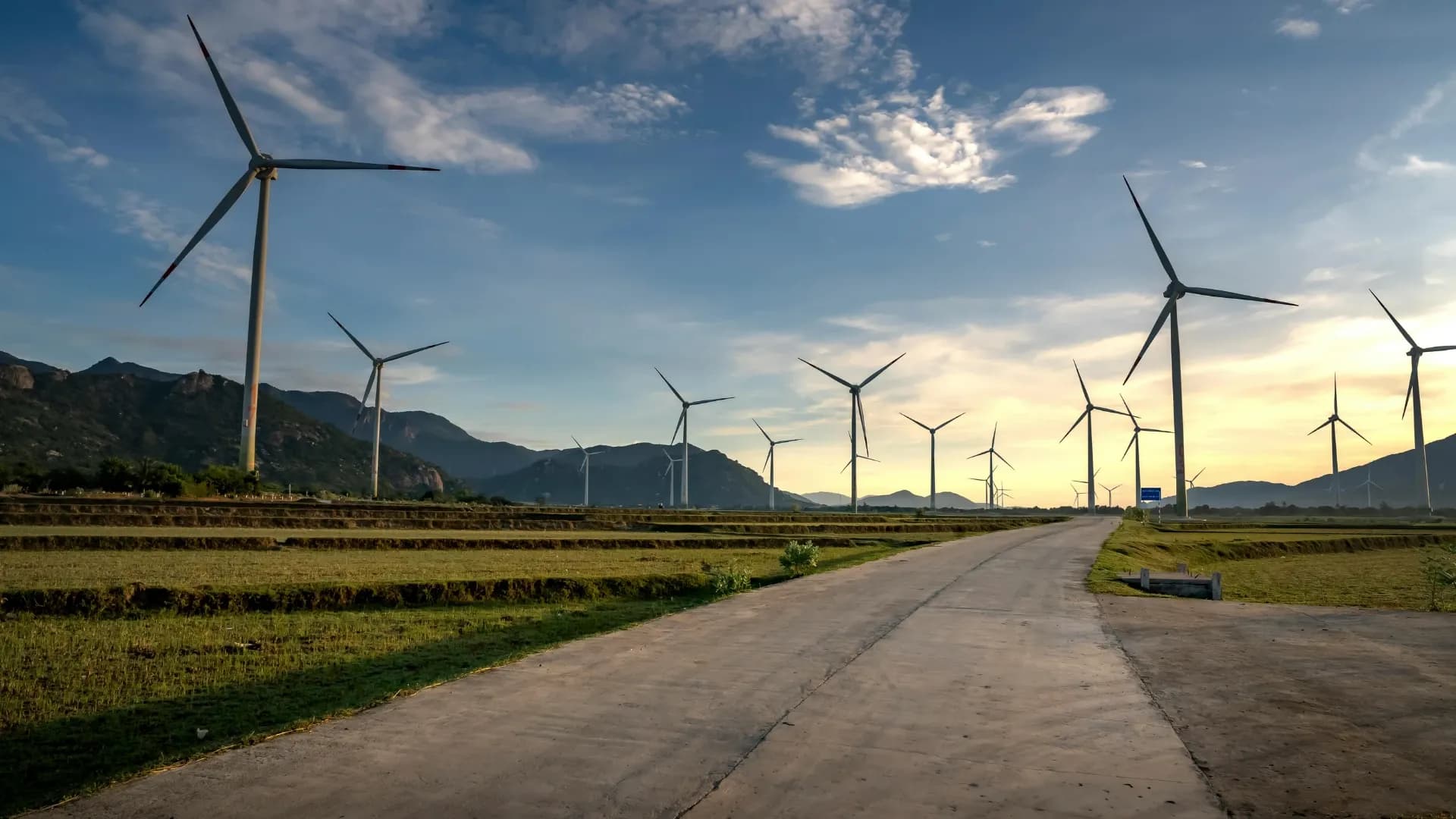
Oceania is rapidly emerging as one of the most strategically significant regions in the global energy transition, not merely because of policy ambition but due to an extraordinary alignment of natural resource endowment, geographic positioning, and technological momentum. With abundant solar irradiation, vast wind corridors, and proximity to energy-hungry Asian economies, the region is uniquely placed to evolve from a historically fossil-dependent system into a renewable export powerhouse. Current projections indicate that renewable energy could account for as much as 84% of power generation by 2035, a dramatic increase from approximately 60% in 2025, underscoring the scale and pace of transformation underway.
At the centre of this transformation lies a decisive shift toward solar photovoltaic (PV) dominance, complemented by the parallel rise of green hydrogen exports, battery storage infrastructure, and a fast-maturing electric vehicle ecosystem. Together, these elements are not isolated trends but interconnected pillars of a new energy economy that is beginning to redefine Oceania’s role in global markets.
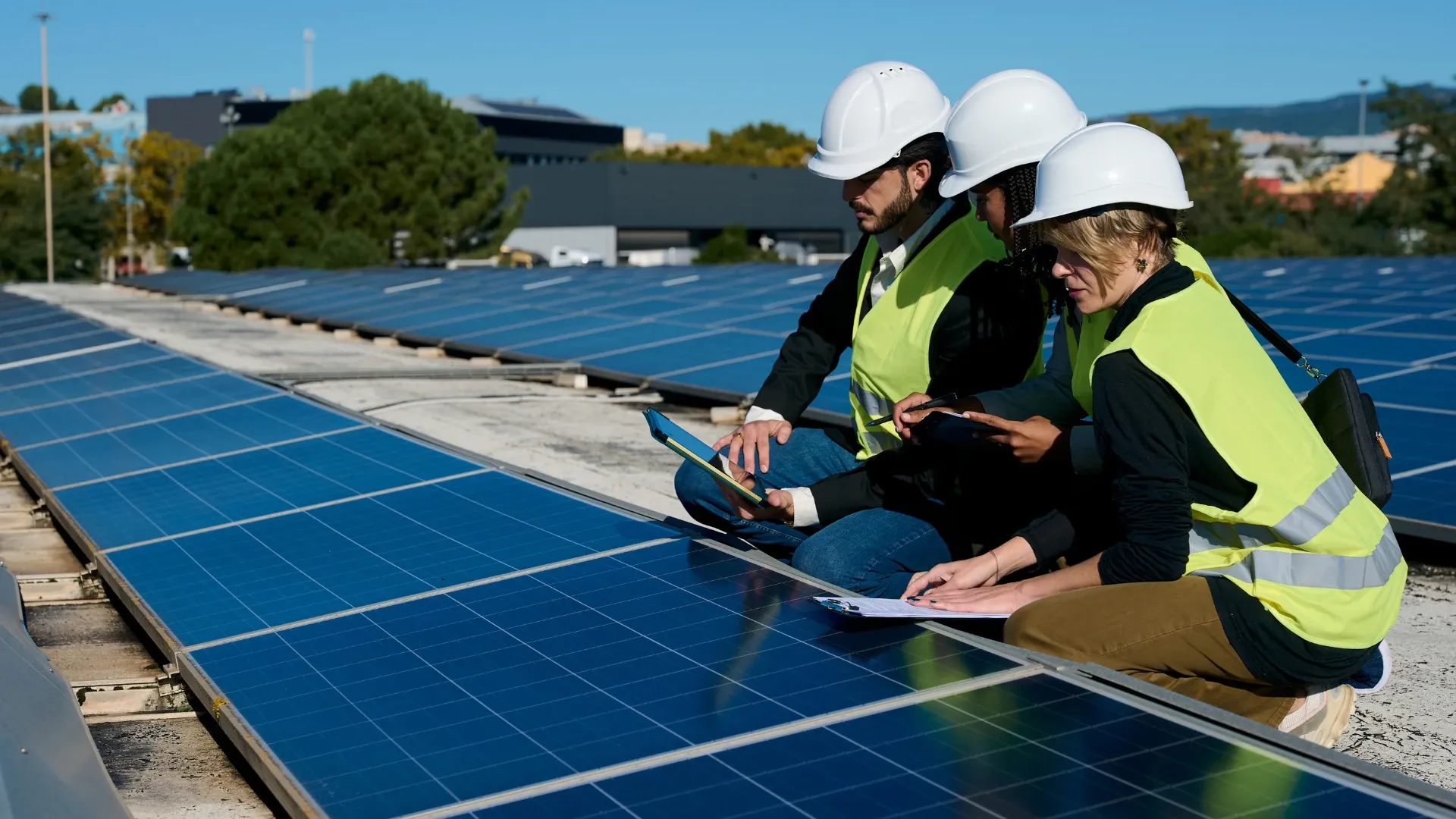
Solar PV is set to become the defining feature of Oceania’s energy landscape. The region’s high solar exposure, particularly across Australia, provides a structural advantage that few other geographies can replicate at scale. Forecasts suggest that solar PV alone could account for approximately 63% of the region’s capacity mix by 2035, positioning it as the single largest contributor to electricity generation.
This dominance is not simply a matter of resource availability; it is also driven by declining technology costs, improved efficiency, and favourable policy frameworks. Large-scale solar farms are proliferating across Australia’s interior, while distributed rooftop systems are increasingly common in both urban and rural settings. The economics are compelling: solar is now among the cheapest forms of electricity generation globally, and in Oceania it benefits from fewer land-use constraints compared to densely populated regions.
Importantly, solar PV’s rise is reshaping the entire energy mix rather than merely supplementing it. The combined share of solar and wind is expected to increase substantially, reflecting a structural transition away from fossil fuels toward variable renewable energy sources. This transition, however, introduces new complexities, particularly in managing intermittency and ensuring grid stability-challenges that are catalysing investment in complementary technologies such as battery storage.
The emergence of green hydrogen as a major export opportunity further reinforces Oceania’s strategic importance. Leveraging its renewable energy surplus, the region-led overwhelmingly by Australia-is positioning itself as a key supplier of low-carbon hydrogen to Asian markets, particularly Japan and South Korea. These countries, constrained by limited domestic renewable resources, are actively seeking reliable partners for clean energy imports, and Oceania’s proximity offers a logistical and economic advantage. The expansion of renewable energy across Oceania is poised to deliver a positive knock-on effect for agriculture, lowering energy costs for irrigation and processing while enabling farmers to integrate solar-powered systems and participate in emerging green hydrogen value chains.
Australia alone accounts for approximately 99% of Oceania’s planned hydrogen capacity, with more than 170 projects in various stages of development. The ambition is clear: to convert abundant solar and wind energy into exportable hydrogen, thereby creating a new commodity market analogous to liquefied natural gas. Yet, the pathway is not without risk. A significant proportion of projects remain in early feasibility stages, and a notable number have already been delayed or cancelled, reflecting the financial and technical uncertainties inherent in scaling a nascent industry.
Despite these headwinds, the long-term outlook remains robust. As electrolyser costs decline and global demand for green hydrogen intensifies, Oceania’s early investments could yield substantial competitive advantages. The region’s success will depend on its ability to convert project pipelines into operational capacity, while maintaining cost competitiveness in an increasingly crowded global market.
Parallel to the rise of solar and hydrogen is a pronounced boom in battery energy storage systems, which are becoming indispensable to the region’s energy transition. The intermittency of solar and wind generation necessitates flexible storage solutions capable of balancing supply and demand in real time. Australia, in particular, has emerged as a global leader in large-scale battery deployment, with projects designed to capture excess daytime solar output and release it during peak evening demand.
Energy storage is no longer a peripheral technology; it is a central enabler of high renewable penetration. Without it, the ambition of achieving an 84% renewable generation share would be technically unfeasible. The rapid expansion of battery capacity reflects both technological progress and market necessity, as grid operators seek to maintain reliability in an increasingly decentralised energy system.
Moreover, the storage boom is fostering innovation across the value chain, from grid-scale lithium-ion systems to emerging alternatives such as flow batteries and hybrid storage solutions. These developments are enhancing grid resilience while also creating new investment opportunities, positioning Oceania as a testbed for advanced energy storage technologies.
The electrification of transport represents another critical dimension of the region’s energy transition. Electric vehicle (EV) adoption in Oceania is accelerating, supported by policy initiatives such as Australia’s New Vehicle Efficiency Standard and New Zealand’s Clean Car Standard. These measures are complemented by expanding charging infrastructure, which is essential for overcoming range anxiety and enabling mass adoption.
The growth of the EV ecosystem is intrinsically linked to the broader renewable energy agenda. As electricity generation becomes increasingly decarbonised, the environmental benefits of EVs are amplified, creating a virtuous cycle of clean energy adoption. At the same time, EVs themselves are emerging as potential grid assets, capable of providing demand response and storage services through vehicle-to-grid technologies.
From a commercial perspective, the convergence of EVs, renewable generation, and battery storage is opening new avenues for integrated energy solutions. Utilities, automotive manufacturers, and technology firms are increasingly collaborating to develop ecosystems that extend beyond individual products, encompassing everything from charging networks to smart grid integration.
Taken together, these developments signal a profound transformation of Oceania’s energy landscape. The region is transitioning from a resource exporter of fossil fuels to a diversified supplier of clean energy solutions, encompassing electricity, hydrogen, and associated technologies. This shift is not only environmentally significant but also economically strategic, offering the potential to create new industries, generate employment, and enhance energy security.