
Capital Retained: The GCC’s Shift from Western Markets to Regional Ambitions
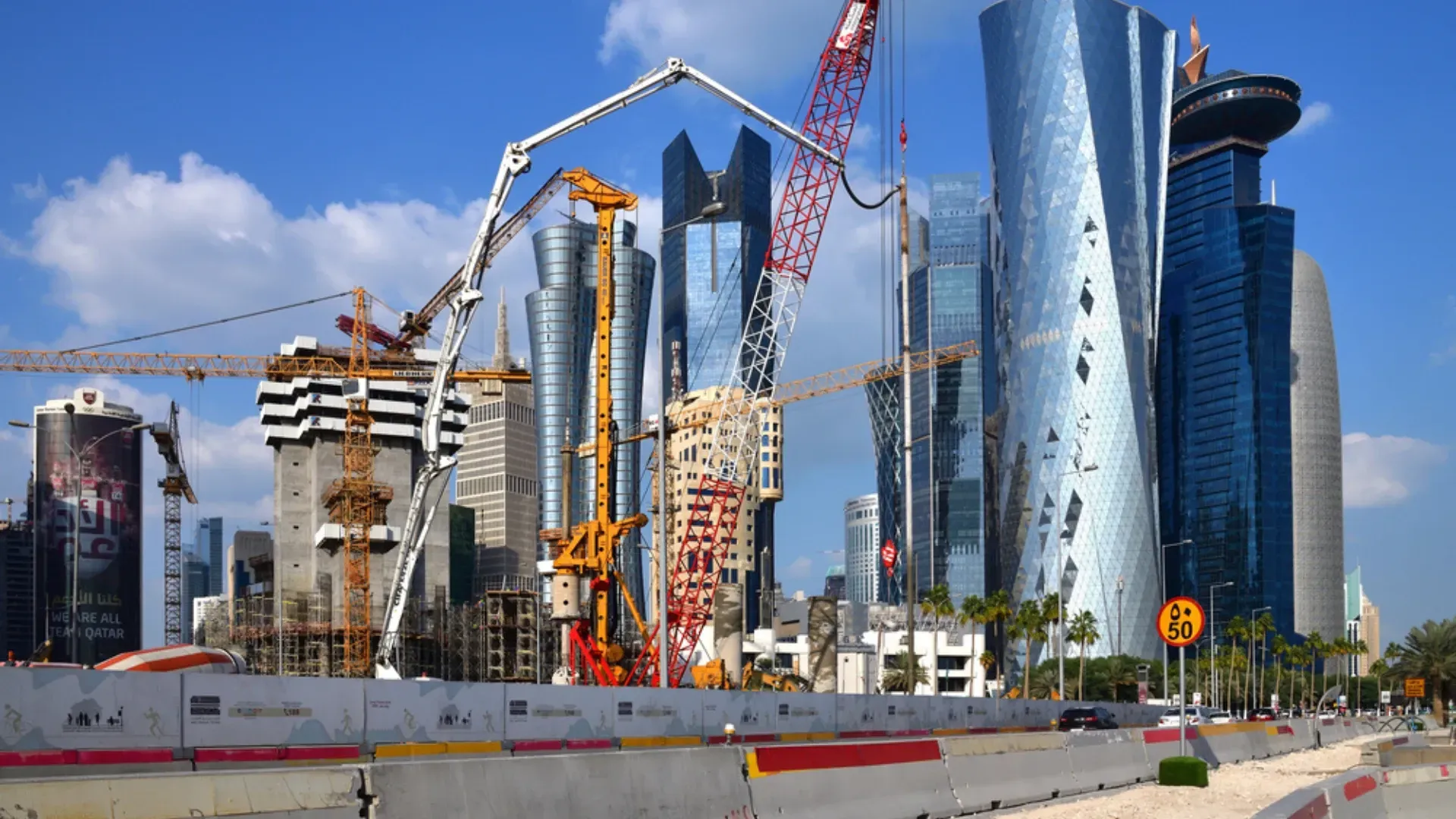

When considering the developments in the GCC countries, development strategies such as the ‘Vision 2030’ strategy and the broader diversification strategies that have been adopted in the UAE have consistently focused on the importance of domestic infrastructure as a core component in future economic growth.
The investment scenario of the Gulf Cooperation Council (GCC) is in the process of a major recalibration in the year 2026. For decades, the capital of the oil-rich monarchies of the Gulf states, particularly of the enormous sovereign wealth funds, was trickling into the United States, Europe, and other Western markets. The equities, properties, tech start-ups, and infrastructure funds in the Western markets have been the common investment targets of the Gulf states. However, the year 2026 seems to emerge as a year in which the strategic requirement at home is recalibrating the investment strategies with a pertinent question: Is the regional capital really staying at home and moving away from the Western markets? An analysis of the current trends points to a complex answer with major implications for the global and regional economies.
At the core of these developments has been the renewed focus on the funding of domestic mega project funding. When considering the developments in the GCC countries, development strategies such as the ‘Vision 2030’ strategy and the broader diversification strategies that have been adopted in the UAE have consistently focused on the importance of domestic infrastructure as a core component in future economic growth. Mega projects in the development of new cities, industrial hubs, and technological hubs have consistently represented an unprecedented percentage in overall investment in the region. Various reports on monitoring energy sector investment, investment in renewables, investment in logistics, and investment in healthcare have identified that the Middle East is on course to attract over $100 billion in strategic investment annually by 2026. There has been a renewed focus on investing in projects that enhance sovereignty.
The NEOM project in Saudi Arabia, for instance, continues to remain a symbol of this shift in the country. As a futuristic city that runs on renewable energy and technology, NEOM not only becomes a technological marvel but also a symbol of intent and ambition to become a city that introduces new industries, employment opportunities, and capital inflows that continue to circulate in the national territory. However, these are not isolated instances but rather a part of a larger phenomenon in which governments in these countries in the GCC region are investing their own funds and wealth in massive infrastructure projects such as transportation networks, digital infrastructure, and supply chain hubs that not only anchor the local economy but also help these countries break free from foreign funding sources.
This, to a great extent, is a reaction to the changes in the global environment. For instance, the traditional Western economies have to contend with issues of policy uncertainty, a regime of greater stringency, and valuation issues that diminish the appeal of long-term Gulf funding. On the other hand, the cost of funding in the region is attractive for government-sponsored initiatives, and this is a result of the fiscal surpluses arising from strong hydrocarbon economies. This is a virtuous cycle in which finance in the region supports mega-projects, which in turn support the formation of capital and, by extension, participation in the economy.
In tandem with this, there is renewed impetus in private sector engagement in regional capital deployment. A new wave of indigenous project developers and capital providers, with family office and bank finance support, is reconfiguring the landscape of investment between the juggernauts and speculative players. This new generation of project development and delivery is emerging out of cities like Dubai and Riyadh, and is bringing professionalisation to the region, marrying Gulf capital with international operational skills to unlock investment in sectors such as hospitality, real estate, and logistics.
The private equity sector, even though it is lower in scope and size, also seems to be showing signs of maturity. This is because these firms are starting to invest in local opportunities, which are more likely to provide scope for growth, such as tech startups and mid-market infrastructure deals. This, again, is a reflection of the confidence being shown towards these economies, which are moving away from the traditional fossil fuel-based economy and are now looking for diversification. There is also a balance of risk through the co-investment of private capital and sovereign wealth vehicles.
Even though there is obviously traction in the deployment of capital at the domestic and regional levels, the question that often comes to mind is whether this implies a lower allocation to the United States and Europe, which is worth careful evaluation. While it is a fact that certain Gulf sovereign funds are reducing their traditional Western assets in the public domain in favour of investing in assets that have strategic alignment to their national priorities, there have been certain indications that funds such as Saudi Arabia’s Public Investment Fund aim to reduce the assets that are invested overseas compared to the previous decades.
Yet this does not mean that there is any kind of wholesale retreat from Western markets. Rather, there is a slightly different dynamic at play: Western public equities and real estate continue to be represented in diversified portfolios, but the rate at which strategic capital is being put into Western technology and infrastructure has arguably plateaued or slowed. Sovereign entities in the GCC are now looking to co-invest with Western partners on a mutually beneficial basis, in which risk and reward are shared in areas such as AI, biotechnology, and digital infrastructure that are consistent with long-term structural trends. Indeed, large Western corporations in the tech space and cloud computing are investing heavily in the Gulf, further enhancing capital flows between these regions.
Exposure of the banking sector in this context may also be noted. Banks in the GCC region have been increasingly providing finance to local projects and to new entities of private enterprises, with the banks benefiting from good liquidity and support of the regulators. The traditional dependency on foreign credit lines and syndicated loans from Western banks and institutions is gradually giving way to a self-sufficient banking system. This shift towards a self-sufficient banking system is supplemented by an improvement in the capital markets of the region, with facilities like sukuk issues and project finance vehicles, and the emergence of regional exchanges for equities.