
Africa’s Currency Stability in 2026: Are Africa’s FX Buffers Finally Gaining Strength?

At the centre of this shifting global order are three large economies: Nigeria, Kenya, and Egypt. These three economies are a barometer of how economic policies and external factors can ‘cement’ or erode currency stability.
The economic story of Africa in the year 2026 is being written in the background of cautious optimism. After a few years of external turbulence such as the pandemic and its aftermath geopolitical shocks and commodity price volatility, a few African economies are now experiencing improved currency stability and enhanced FX reserve positions. However, this is not a uniform economic story. This is a story of inconsistent recoveries, which are driven by courageous reforms multilateral cooperation sovereign debt management and a shifting global commodities order. At the centre of this shifting global order are three large economies: Nigeria, Kenya, and Egypt. These three economies are a barometer of how economic policies and external factors can ‘cement’ or erode currency stability.
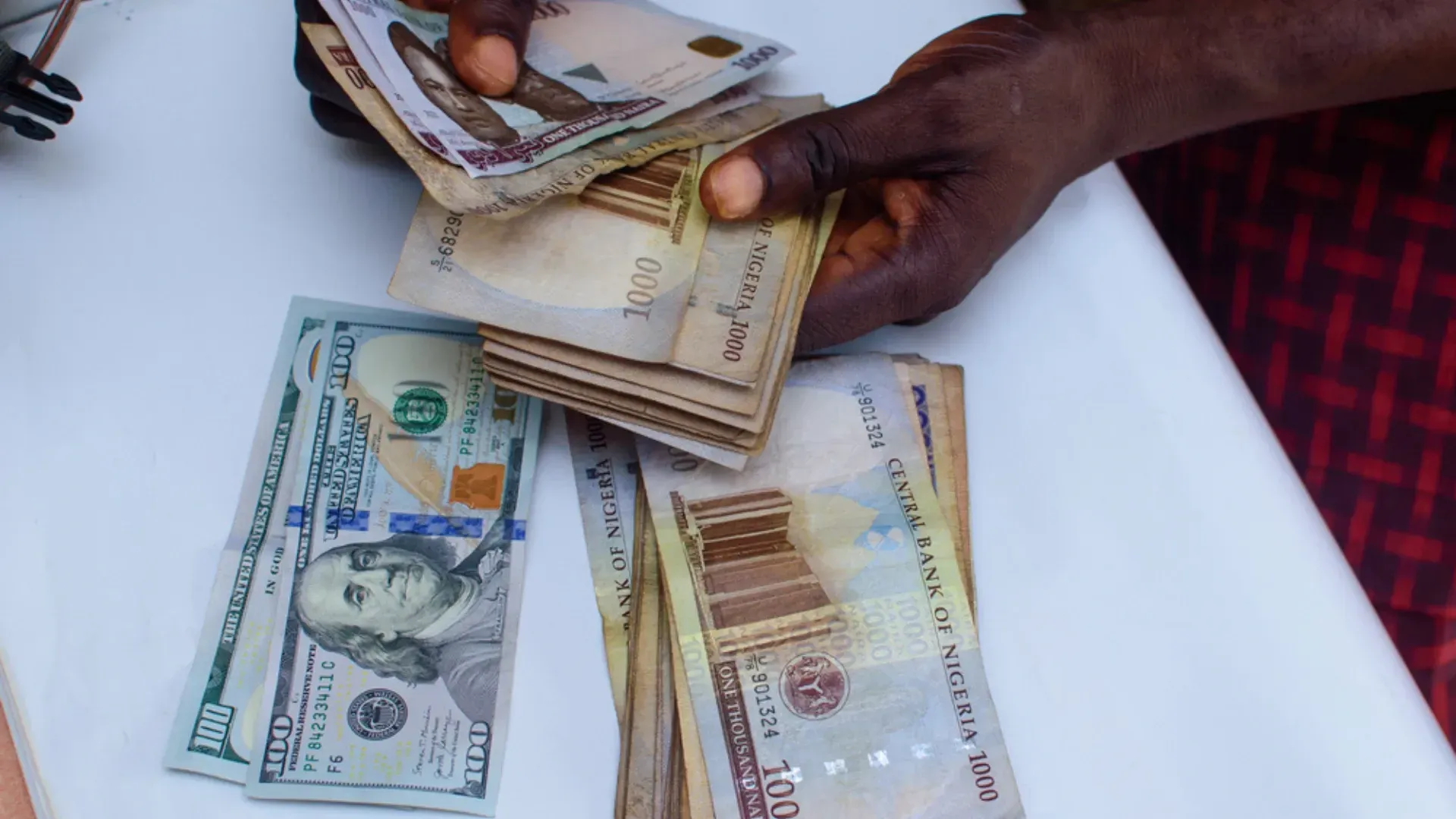
In West Africa, the FX reforms in Nigeria have been some of the most closely followed. The Central Bank of Nigeria (CBN) initiated a comprehensive transformation of its exchange rate regime in 2024, with the aim of liberalising the FX market, improving fuel subsidies, and strengthening monetary policy to correct persistent distortions in the naira market. As reported by the International Monetary Fund (IMF), these changes have ensured that there is a higher degree of price discovery in the FX market and that the exchange rate environment is stable, while the macroeconomic fundamentals have slowly started to gain traction.
Nigeria has also moved forward in terms of accessing the international capital market. After several years of low external market issuance, the issuance of sovereign dollar bonds has picked up as a result of improving macroeconomic fundamentals. Statistics from 2025 indicated that Nigerian Eurobonds performed better compared to many of their African counterparts, which is an indication of increased investor appetite as a result of improved fiscal discipline and a clear reform agenda. The issuance of sovereign bonds not only expands the base of funding but also indicates fiscal discipline on the part of the Nigerian economy, which is a critical factor in determining medium-term stability.
Moving on to East Africa, the situation in Kenya is characterised by the currency and reserves situation being driven by pragmatism in the wake of continued fiscal challenges. As of early 2026, Kenya’s FX reserves stood at approximately US$12.7 billion, providing more than the four-month import cover that regional standards suggest is ideal. This is sufficient to give the Central Bank of Kenya (CBK) the breathing room to handle external payments without necessarily being buffeted by exchange rate volatility. For most of the previous year, the Kenyan shilling has been trading in a relatively stable manner, defying the broad exchange rate volatility that has characterised many emerging market currencies.
However, Kenya’s situation has been made more complex by the expiration of its recent IMF Extended Fund Facility arrangement and ongoing talks on a successor arrangement. In February 2026, IMF staff missions started talks to ensure that new financing is aligned with Kenya’s fiscal agenda, which indicates that the country recognises that access to external funds is still crucial for maintaining macroeconomic stability. Access to IMF funds under a new arrangement could help support FX reserves and ease concerns among international investors, especially when budgetary pressures are still high and domestic debt servicing costs are high.
However, despite these reforms and reserve levels, the dependence on foreign capital markets for Kenya still continues. The Eurobond issuance and the securitisation of future revenue streams have all been part of the financing arsenal of Nairobi. Although these instruments can help strengthen foreign currency receipts, they also increase sensitivity to global interest rates and refinancing risks, which need to be calibrated by policymakers.
In North Africa, the currency stability and reserves of Egypt demonstrate the challenges and opportunities of structural adjustment. Egypt has been participating in a large IMF programme since 2022, which has since been scaled up. The completion of reviews of Egypt’s economic reform program by the IMF in early 2026 unlocked further disbursements, which highlighted the progress made in managing inflation.
In North Africa, the currency stability and reserves of Egypt demonstrate the challenges and opportunities of structural adjustment. Egypt has been participating in a large IMF programme since 2022, which has since been scaled up. The completion of reviews of Egypt’s economic reform program by the IMF in early 2026 unlocked further disbursements, which highlighted the progress made in managing inflation.
One of the key planks of Egypt’s reform package has been the floatation of the Egyptian pound, which is an attempt to realign the exchange rate with market fundamentals and mitigate the persistent FX shortages that characterised the 2023-24 financial crisis. These measures, combined with a tight monetary policy and fiscal responsibility, have served to restore confidence and attract necessary hard currency inflows through tourism, remittances, and external borrowing. Estimates put Egypt’s FX reserves in the general ballpark of US$44-45 billion or higher at various stages in early 2026.
The IMF’s involvement in Egypt is representative of the wider effects of international financial institution (IFI) programs in Africa. Though the IMF’s financial support is often conditional on strict structural reforms such as fiscal consolidation and market liberalisation, the financial component of the program can be a crucial stabiliser during times of reserve strain and risk of capital flight. In the Egyptian context, the IMF’s involvement has been attributed with the reduction of inflation from highly extreme double-digit levels, mitigating exchange rate pressures and supporting confidence in international investors. However, it is also apparent that confidence must be anchored in structural changes that extend beyond macroeconomic stabilisation, such as the reduction of the state’s presence in the economy and the promotion of private sector dynamism.