
End of an Era? Germany Bids Farewell To Nuclear Energy
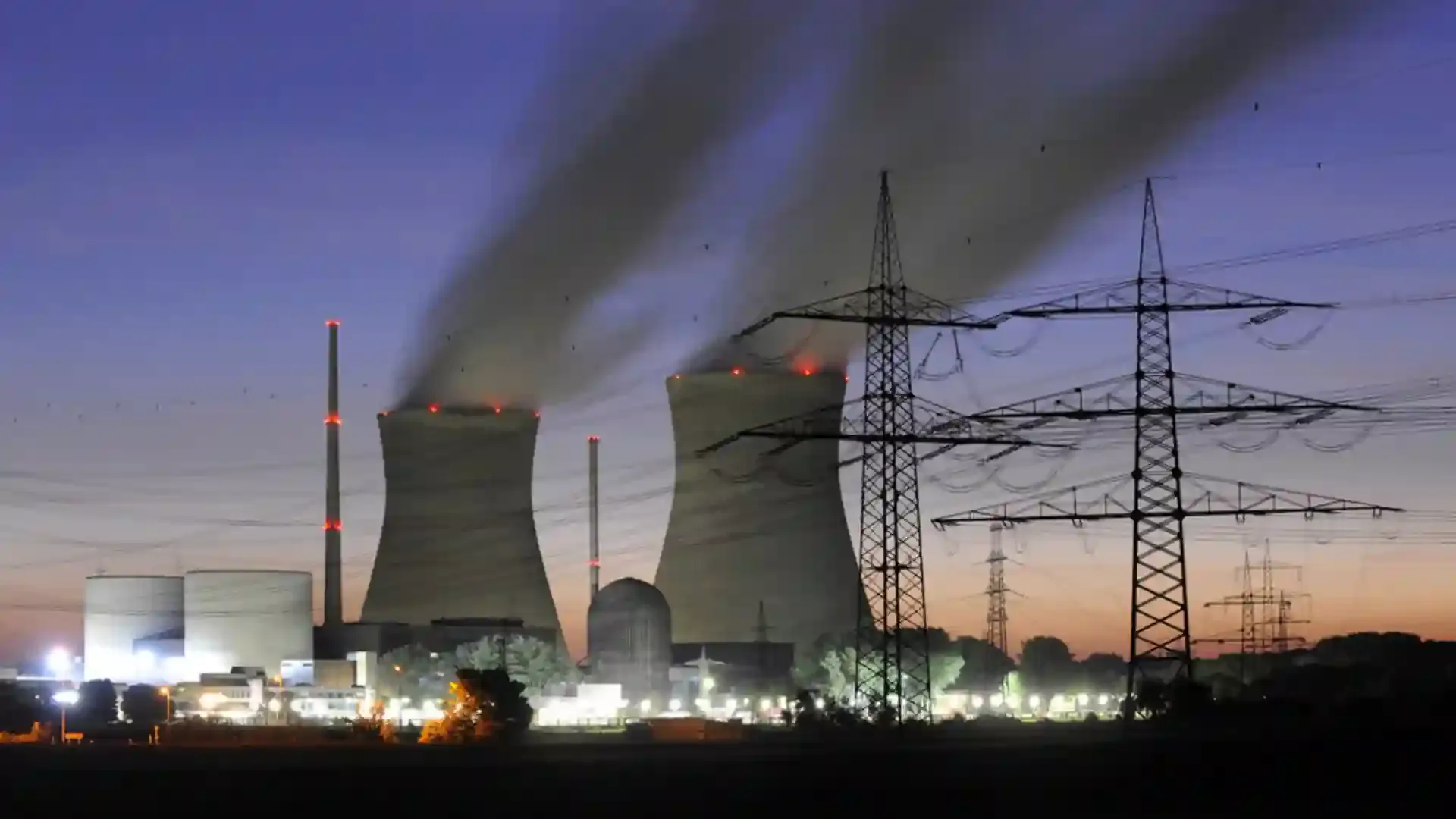

This action was the culmination of a long and powerful anti-nuclear movement in Germany since the 70s when diverse groups united to protest the construction of new nuclear plants
Germany, on Saturday, April 15, shut down its last three nuclear power plants, the culmination of a decades-long anti-nuclear movement in the country. Coming on the back of global energy disruptions, growing concerns with climate change, and skyrocketing electricity prices, this move has sparked debate about its efficacy as well as the future of German energy policy.
The three plants, named Emsland, Neckarwestheim II, and Isar II, were the last vestiges of a once vibrant German nuclear industry, and their closure was celebrated raucously by anti-nuclear activists from the Green Party. Others were more circumspect, including Bavarian Governor Markus Soeder, who called for them to stay online – an indicator of how controversial nuclear energy is in Germany.
A long and contentious movement
This action was the culmination of a long and powerful anti-nuclear movement in Germany since the 70s when diverse groups united to protest the construction of new nuclear plants. Their primary concern was the danger of a reactor meltdown, as well as the links to nuclear weapons. In fact, this movement was the origin point for the Green Party, which is now part of the ruling coalition.
These protests were fuelled by several high-profile nuclear accidents: Three Mile Island in 1979 and the Chernobyl disaster in 1986. However, the real shift in mindset came after the Fukushima nuclear disaster in 2011. Then-Chancellor Angela Merkel said that this disaster showed how even a high-tech and efficient country like Japan could not safely control the risks of nuclear energy. The share of nuclear energy in the German energy mix dropped from one-third in 2000 to just 6%.
The 2022 Russian invasion of Ukraine put a temporary dampener on plans, with the resulting energy shortage driving a shift in public opinion. There were widespread calls, both from within and outside the government, to delay the shutdown of the three remaining nuclear plants. While these successfully convinced Chancellor Olaf Scholz to issue a one-time extension from December 31, 2022, to April 15, 2023, calls for further postponements proved futile.
The move has been both hailed and criticised by Germans, but one thing is clear: the decades-long quest for denuclearisation has successfully ended, and Germany will have to chart out a new path for this new era. The country has heavily bet on renewables like wind, solar, and hydro for the long term, with a goal of becoming carbon neutral by 2045.
The move will increase German reliance on fossil fuels.
Many have questioned the ‘greenness’ of shutting down a clean, low-carbon source of energy in a global environment of already-high energy costs and supply shortages. This is especially pertinent in Germany, where other clean energy sources, such as solar, hydro, and wind, are vulnerable to climatic disruptions.
The German government acknowledged that the shutdown would ‘temporarily’ increase reliance on fossil fuels to plug the shortage. The three nuclear plants generated around 6% of total German electricity production, a large amount for a country already grappling with energy disruptions and sky-high electricity costs.
Germany has restarted old coal plants to make up the shortfall, and more than 30% of its energy already comes from this dirtiest of fuel sources. This is up a whopping 8% from last year, and despite what Greens say, it is a significant step back for climate change mitigation efforts, as coal is much dirtier than both nuclear and Russian-supplied natural gas.
Do global nuclear trends run parallel or counter to this decision?
While several countries seem inclined to similar policies as Germany, such as Denmark, Sweden, Switzerland, Italy, and Austria, nuclear energy is, in fact, undergoing a global renaissance.
The impact of the war and climate change has led several countries such as the UK, France, Finland, USA, Netherlands, China, Russia, and India to double down on nuclear energy as a clean fuel source. Even Japan, which shut down all its reactors after the Fukushima disaster, is reopening them and even building new ones.
The debate over nuclear energy represents the growing global concerns with climate change and energy security, and the German shutdown is just a harbinger of that.
All figures are from the German Federal Office of Statistics.