
AstraZeneca-Bristol Myers $400 Billion Merger Could Result In Biggest Pharma Company

Antitrust experts believe that a Trump Federal Trade Commission will closely review the merger, following which, if there are any significant drug and late-stage overlaps, considerable divestitures will be required.
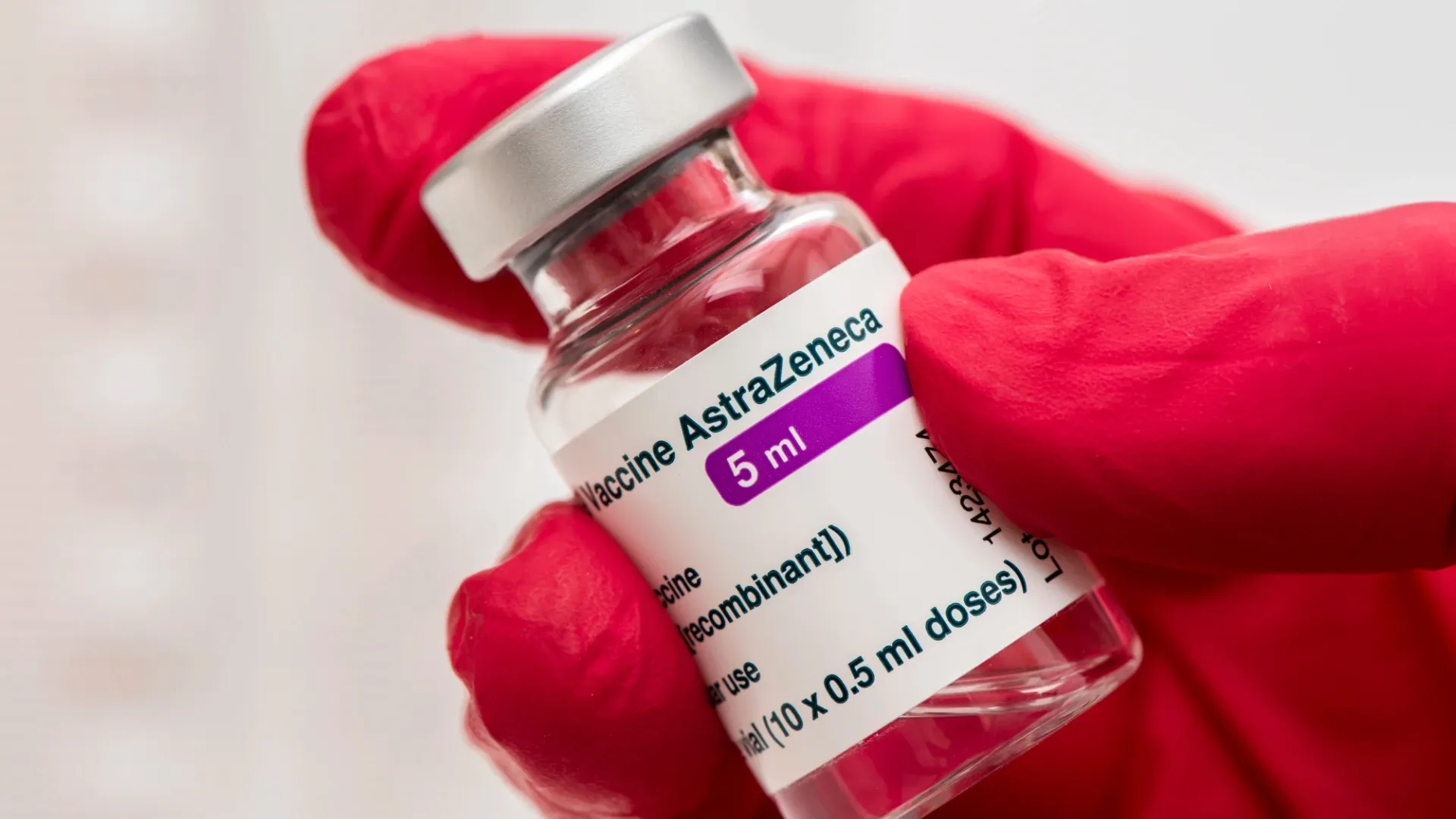
Two of the biggest names in the global pharmaceutical industry, AstraZeneca Plc and Bristol Myers Squibb, have discussed the possibility of a merger, which will create one of the world’s biggest pharmaceutical companies with a combined value of nearly $400 billion. While neither party has publicly commented on the potential merger, such a deal is likely to be scrutinised by US antitrust authorities.
Such regulatory risks have become common under the Trump administration, as the President is focused on increasing domestic investments in the sector and expanding US manufacturing. The UK-headquartered AstraZeneca unveiled plans last September to switch to a direct listing of its shares in the US amid the booming American stock market.
For industry experts, this poses an interesting conundrum, as it means that AstraZeneca would essentially acquire one of the leading US pharma giants, as it seeks to establish itself in the US stock market landscape. In the last 14 years as company CEO, Pascal Soriot has worked towards quadrupling share prices and overtaking rival GSK’s performance.
The second-quarter reports released last month showed that strong demand for cancer and rare-disease drugs is driving the British pharma maker’s growth. In the June quarter, core earnings climbed to $2.63 per share, thanks to lower taxes, while total revenue rose 5% to $15.38 billion.
In 2025, cancer treatment alone comprised $25 billion worth of sales, which was nearly half of the total volume. It was followed by cardiovascular, renal and metabolism treatments worth about $12 billion. Cancer drugs also accounted for over 40% of Bristol’s overall sales in the first half of 2026, and both companies’ cancer immunotherapies rival each other in the market.
Antitrust experts believe that a Trump Federal Trade Commission will closely review the merger, following which, if there are any significant drug and late-stage overlaps, considerable divestitures will be required. Due to dwindling sales of older drugs, some of which may soon face generic competition, Bristol has been engaging in smaller agreements to buy new pharmaceuticals. Revlimid, the company’s core blood cancer medication, became Bristol’s best-selling medicine when it paid more than $80 billion to acquire Celgene in 2019.
By 2028, the patents on two of Revlimid’s best-selling medications- the blood thinner Eliquis and the cancer treatment Opdivo, may expire. Revlimid’s patent protection has already expired. The Trump FTC mandated that Celgene sell the psoriasis medication Otezla as part of the $13.4 billion transaction. In addition to examining all direct overlaps, the FTC may raise concerns about product bundling and a lack of future innovation because there is bipartisan support for rigorously examining pharmaceutical mergers.
Last month, Bristol raised its full-year revenue and profit forecast owing to strong sales of Eliquis and newer medicines, which helped Q2 results beat analysts’ expectations. Revenue grew 6% during the quarter, reaching $12.97 billion, above estimates of $11.75 billion. Therefore, the drugmaker has raised its full-year revenue forecast to $49-$50 billion from the previous $46-$47.5 billion. Bristol’s adjusted earnings for the year are also revised to $6.75-$7.00 a share, up from the predicted $6.05-$6.35. The company has a range of new drugs in the pipeline, such as an experimental blood thinner milvexian, anaemia treatment Reblozyl and heart drug Camzyos.
The pharma sector has not witnessed much M&A activity in recent years, owing to antitrust concerns and the US government’s pressure to keep the prices of drugs low.