

Pacific Prosperity Corridors: The New Age of Cross-Pacific Trade and Investment
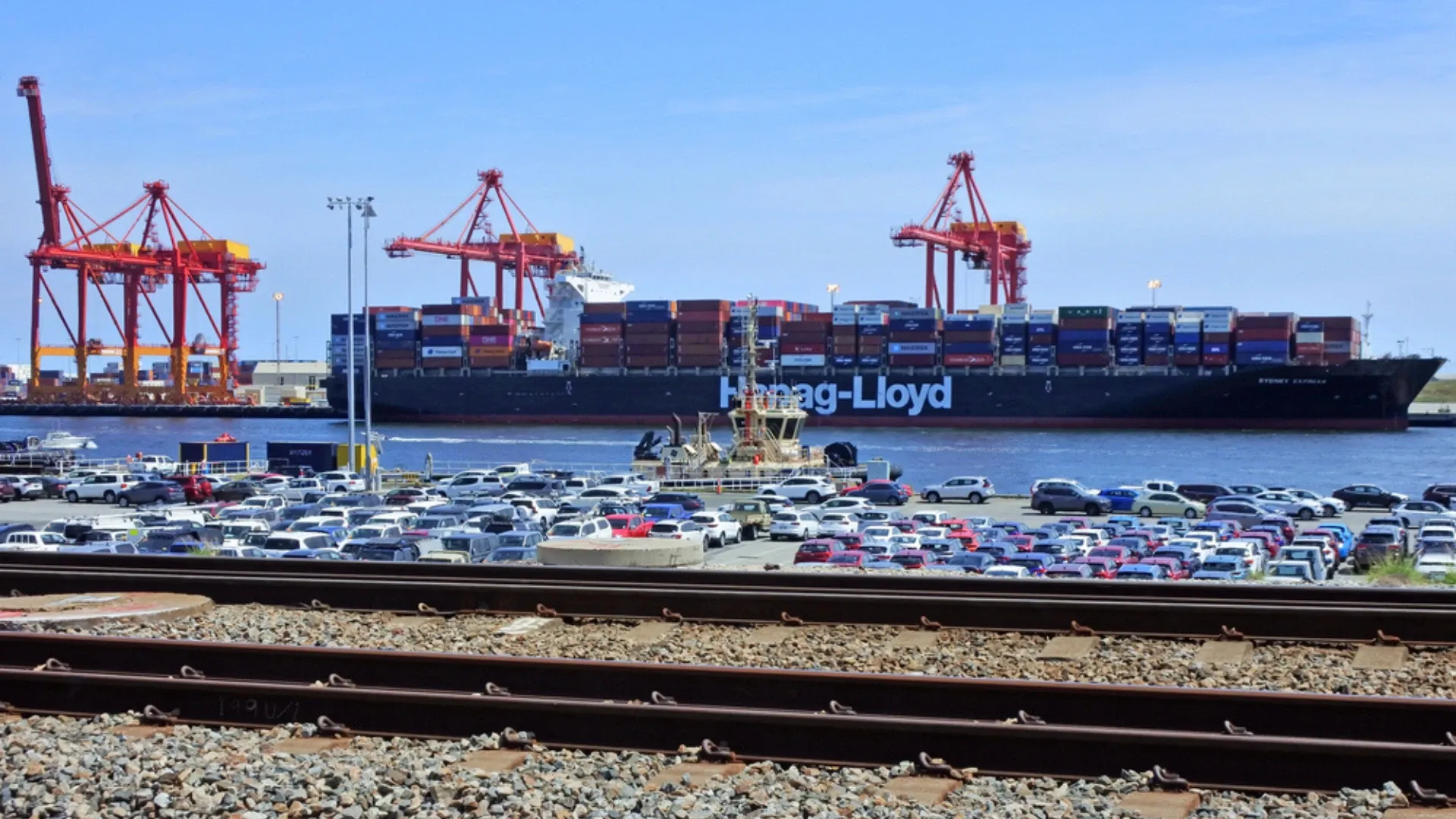

Recent developments suggest that the momentum behind these partnerships is stronger than ever. The Comprehensive and Progressive Agreement for Trans-Pacific Partnership (CPTPP) continues to expand its influence, attracting interest from economies seeking deeper integration with Pacific markets.
The Pacific Ocean is no longer merely a geographical divide between continents; it has become the world’s most important economic bridge. As global trade patterns evolve amid geopolitical uncertainty, supply-chain restructuring and changing investment priorities, cross-Pacific trade and investment partnerships are emerging as one of the defining forces shaping the international economy in 2026.
From North America to East Asia and from Latin America to Southeast Asia, governments and corporations are accelerating efforts to strengthen commercial ties across the Pacific. The objective is clear: create resilient supply chains, unlock new investment opportunities and secure long-term economic growth in an increasingly competitive global marketplace.
Recent developments suggest that the momentum behind these partnerships is stronger than ever. The Comprehensive and Progressive Agreement for Trans-Pacific Partnership (CPTPP) continues to expand its influence, attracting interest from economies seeking deeper integration with Pacific markets. New accession discussions and applications highlight the growing appeal of a rules-based trading framework that connects Asia, the Americas and the United Kingdom.
The expansion of trade agreements is occurring alongside a surge in strategic investment flows. One of the most significant examples is South Korea’s approval of a $350 billion investment framework linked to its trade relationship with the United States. The initiative includes substantial investments in strategic industries and shipbuilding cooperation, reflecting how modern trade partnerships increasingly blend market access with large-scale capital commitments.
Such arrangements illustrate a broader transformation in global commerce. Trade agreements are no longer focused solely on tariffs and customs procedures. They are becoming platforms for industrial cooperation, technology transfer, infrastructure development and supply-chain security. Governments increasingly view investment partnerships as essential tools for strengthening economic resilience while maintaining competitiveness in critical sectors.
The Indo-Pacific region has become the focal point of this strategy. Recent announcements by the United States International Development Finance Corporation underscore the growing importance of infrastructure investment across South and Southeast Asia. The agency’s commitment of $1.5 billion to an Indo-Pacific energy platform demonstrates how public and private capital are being mobilised to support long-term economic integration throughout the region.
At the same time, multinational companies are reassessing supply-chain structures that were once heavily concentrated in a limited number of markets. The disruptions of recent years, combined with geopolitical tensions and trade uncertainties, have encouraged businesses to diversify sourcing, manufacturing and logistics networks. Policymakers across major economies are responding by promoting trade partnerships that support more distributed and resilient supply chains.
This shift is creating new opportunities for emerging economies across Asia and Latin America. Nations that can offer stable regulatory environments, competitive labour markets and strong trade connectivity are increasingly attracting foreign direct investment. Countries such as Vietnam, Malaysia, Mexico and Peru have already benefited from greater participation in Pacific-centred trade frameworks, while additional economies are seeking entry into these arrangements to secure similar advantages.
The growing interest in CPTPP membership reflects this trend. Argentina recently announced its intention to join the trade bloc, signalling the continuing appeal of cross-Pacific integration among economies seeking broader access to global markets. Meanwhile, discussions involving other prospective members suggest that the agreement may continue to expand its economic footprint over the coming years.
Cross-Pacific cooperation is also becoming increasingly important in the digital economy. Modern trade agreements now include provisions covering digital commerce, data governance, intellectual property protection and technology standards. These issues are critical for businesses operating in sectors ranging from financial services and advanced manufacturing to artificial intelligence and cloud computing. The Asia-Pacific region has become a global leader in incorporating digital trade provisions into economic agreements, creating new opportunities for innovation-driven growth.
For investors, these developments are creating a more interconnected Pacific marketplace. Institutional capital is flowing into renewable energy, advanced manufacturing, semiconductor production, logistics infrastructure and technology ecosystems. Governments are increasingly using bilateral and multilateral partnerships to attract these investments while strengthening national economic security.
India is also emerging as a significant participant in this evolving landscape. Discussions surrounding expanded trade cooperation with the United States and broader Indo-Pacific engagement reflect growing recognition of India’s role as both a major consumer market and a strategic manufacturing destination. Potential efforts to significantly increase bilateral trade volumes could further strengthen cross-Pacific commercial links in the years ahead.
Nevertheless, challenges remain. Geopolitical competition, regulatory differences, trade disputes and protectionist pressures continue to test international economic cooperation. Some economies are seeking to reduce dependence on individual markets while maintaining access to critical trading partners. The balancing act between diversification and integration will remain one of the central policy challenges facing governments and businesses alike.
Despite these obstacles, the broader trajectory appears clear. Cross-Pacific trade and investment partnerships are evolving from conventional trade arrangements into comprehensive economic ecosystems. They encompass capital flows, technology collaboration, infrastructure investment, digital commerce and supply-chain resilience.
As global growth increasingly shifts towards the Indo-Pacific region, the Pacific Ocean is becoming the centre of a new economic architecture. Businesses that successfully position themselves within these expanding networks are likely to gain access to some of the world’s fastest-growing markets, while governments that embrace open and collaborative economic frameworks may secure stronger long-term growth prospects.
In an era defined by economic fragmentation and strategic competition, cross-Pacific partnerships offer a powerful counterbalance. They represent not merely a collection of trade agreements but a blueprint for the next phase of global economic integration—one built on connectivity, resilience and shared prosperity across the world’s largest ocean.