
From Conflict to Commerce: The GCC’s Strategic Gain in a Fragmented Trade World

At the heart of this debate lies oil price volatility, which has been both a blessing and a source of uncertainty. The escalation of conflict, particularly involving key transit chokepoints such as the Strait of Hormuz, has driven crude prices sharply upwards, at times breaching the $100–$120 per barrel range.
The geopolitical shockwaves emanating from the Middle East in 2026 have once again placed the Gulf Cooperation Council (GCC) at the centre of the global economic narrative. While the region has historically been synonymous with energy wealth and strategic trade routes, the current conflict has created a far more complex economic environment-one where opportunity and vulnerability coexist in equal measure. The interplay between surging oil prices, disrupted shipping lanes, and shifting trade flows has raised a critical question for policymakers and investors alike: are GCC economies emerging as net beneficiaries of this turbulence, or are the risks beginning to outweigh the gains?
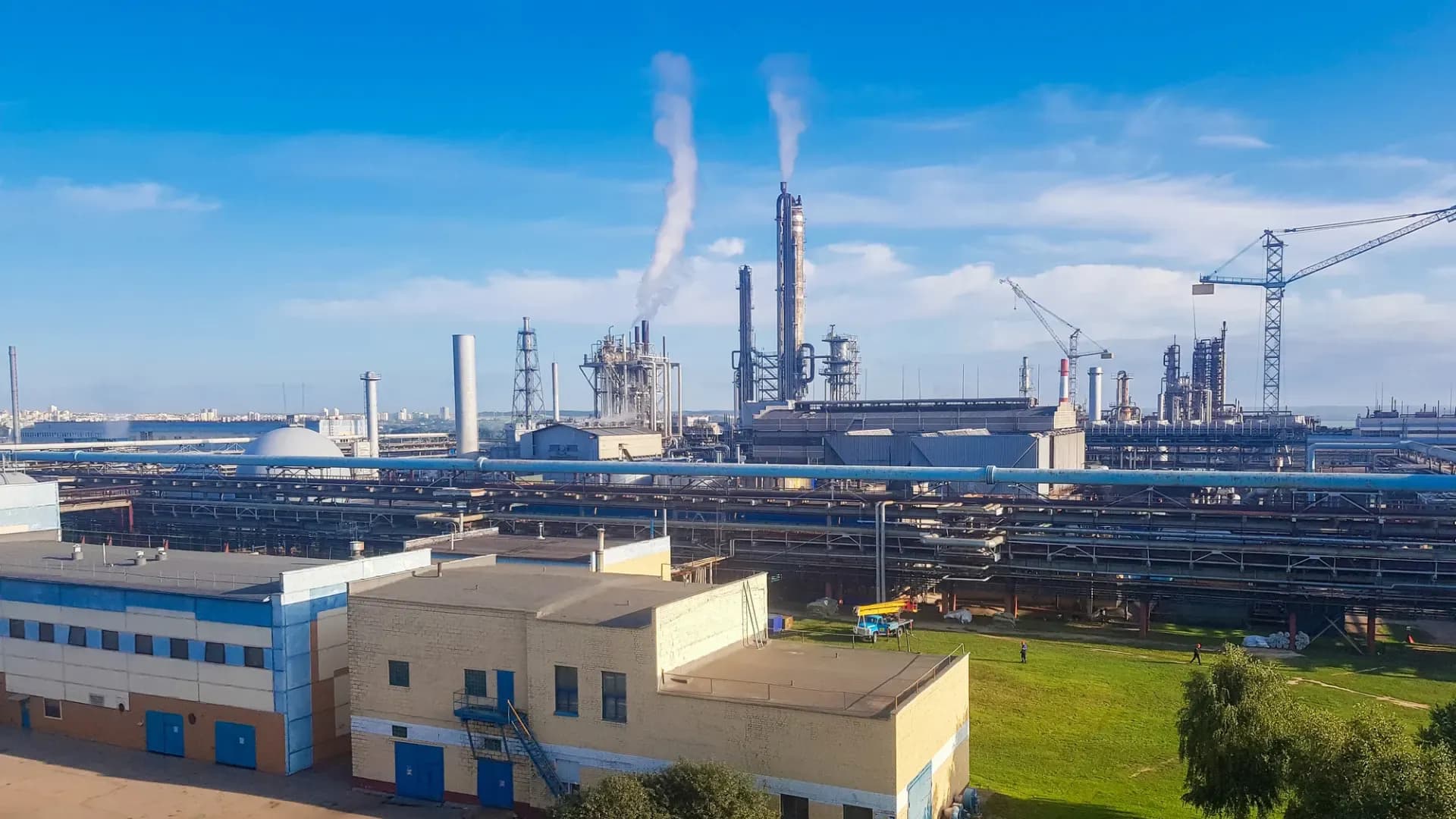
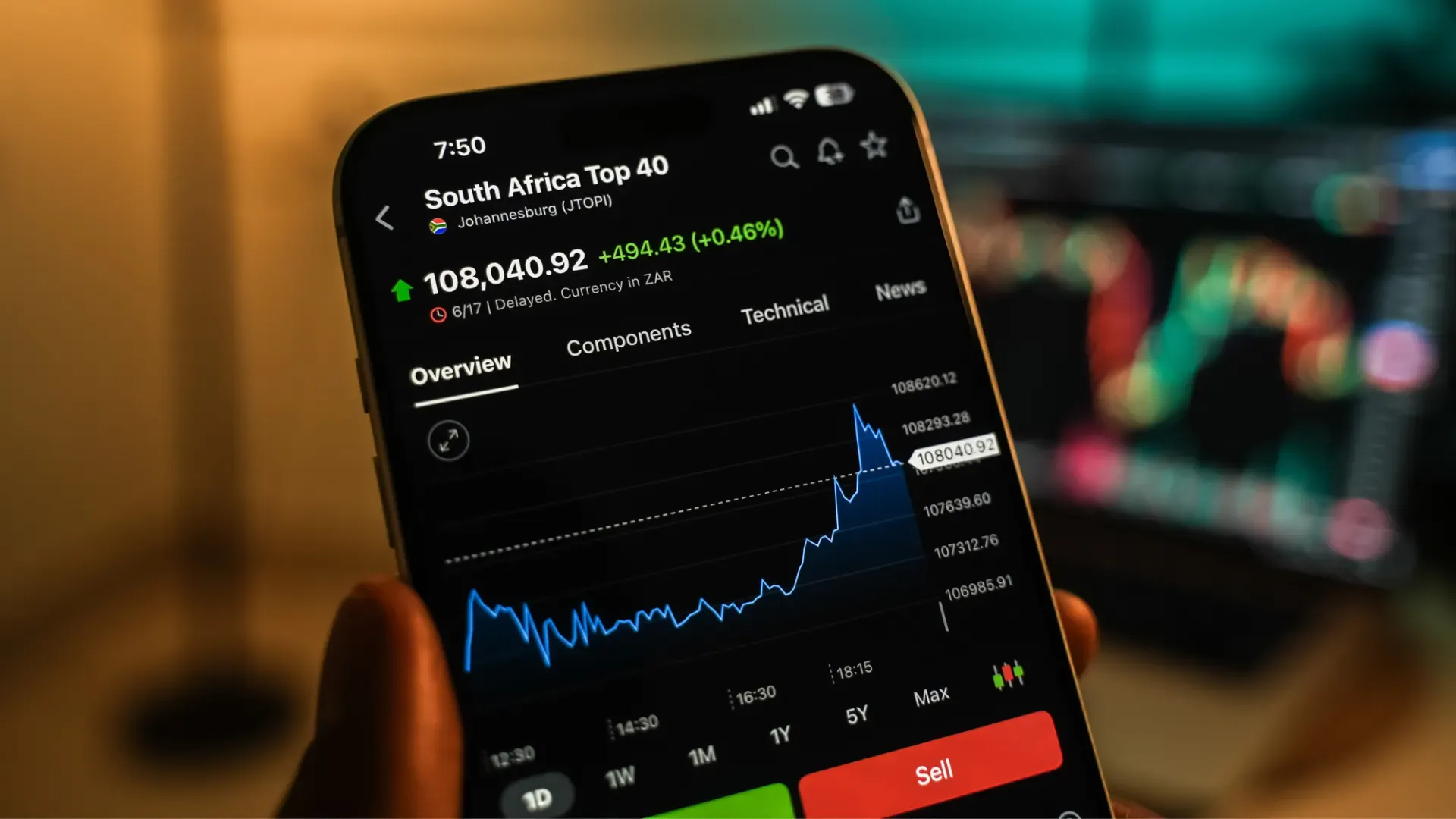
At the heart of this debate lies oil price volatility, which has been both a blessing and a source of uncertainty. The escalation of conflict, particularly involving key transit chokepoints such as the Strait of Hormuz, has driven crude prices sharply upwards, at times breaching the $100–$120 per barrel range. This surge has been exacerbated by infrastructure damage and supply disruptions across multiple energy-producing sites, tightening global supply and reinforcing bullish sentiment in energy markets.
For GCC economies, many of which remain heavily reliant on hydrocarbon revenues, this price rally has translated into immediate fiscal windfalls. Higher oil prices bolster government revenues, improve current account balances, and enable continued investment in diversification strategies. In countries such as Saudi Arabia, the United Arab Emirates, and Qatar, these gains provide a cushion against external shocks and support ambitious infrastructure and sovereign investment programmes. Historically, such windfalls have also stimulated capital outflows into global assets, reinforcing the Gulf’s role as a major source of international liquidity.
However, the benefits of elevated oil prices are tempered by their inherent volatility. The same geopolitical tensions that push prices upwards also create uncertainty around production and export capacity. The closure or disruption of key routes can strand supply, reduce export volumes, and complicate revenue projections. In extreme scenarios, analysts have warned of potential export halts or significant production declines, which could undermine the very fiscal gains that high prices initially generate.
Parallel to developments in energy markets, disruptions in maritime trade-particularly in the Red Sea-have reshaped global logistics patterns. Renewed attacks on commercial shipping have forced major carriers to divert vessels away from the Suez Canal, rerouting traffic around the Cape of Good Hope. This detour adds up to two weeks to transit times, significantly increasing freight costs and creating bottlenecks across supply chains.
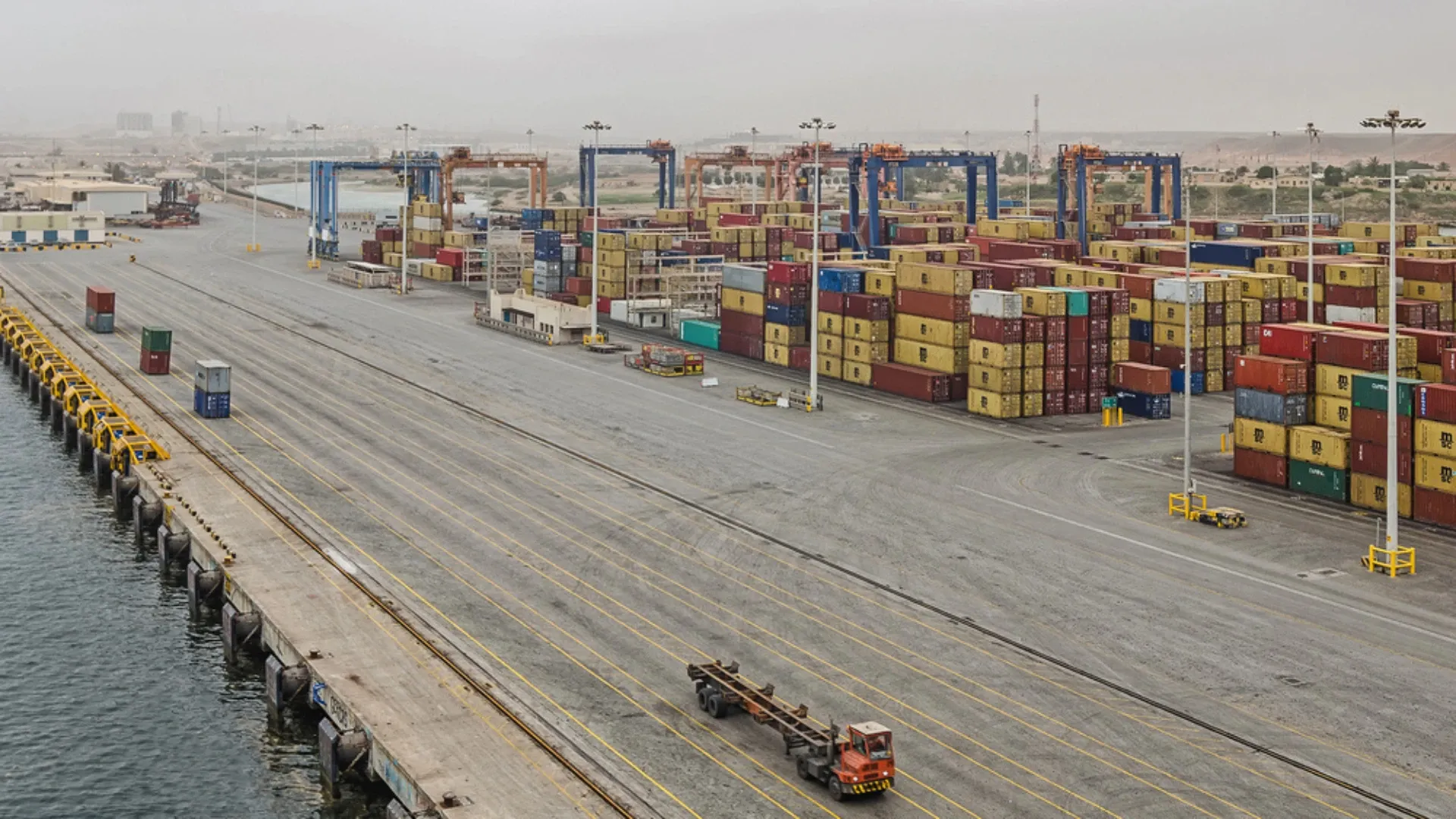
For the GCC, this disruption presents a paradoxical opportunity. As traditional shipping routes become less reliable, regional logistics hubs-especially those in the UAE and Saudi Arabia-have experienced increased demand. Ports such as Jebel Ali and emerging logistics corridors across the Arabian Peninsula are being repositioned as alternative gateways for global trade. The region’s strategic investments in infrastructure, free zones, and digital logistics platforms are beginning to pay dividends, as companies seek more resilient supply chain solutions.
This shift is particularly evident in the growing importance of multimodal logistics networks. Air freight, land corridors, and integrated port systems are being leveraged to bypass maritime chokepoints, positioning the GCC as a critical intermediary in global trade flows. In the medium term, this could accelerate the region’s transition from an energy-exporting bloc to a diversified logistics and trade powerhouse.
Yet, the expansion of logistics activity is not without its constraints. Increased shipping distances and insurance costs have driven up overall trade expenses, which in turn feed into global inflationary pressures. Exporters across Asia and Europe are already reporting disruptions and higher costs, with some trade volumes declining as a result. For GCC economies, which are deeply integrated into global supply chains, these dynamics introduce both revenue opportunities and operational challenges.
The fiscal implications of these developments are equally nuanced. On the one hand, higher oil revenues and increased logistics activity contribute to stronger fiscal balances and economic growth. On the other hand, the broader geopolitical environment introduces significant downside risks. Airspace closures, security concerns, and disruptions to tourism and services sectors have already inflicted economic losses across parts of the Gulf.
Moreover, financial stability remains a key concern. While GCC banking systems are generally well-capitalised, prolonged conflict could trigger capital outflows and deposit withdrawals, particularly if investor confidence deteriorates. Recent assessments suggest that while the sector remains resilient, the risk of liquidity pressures cannot be ignored in a prolonged crisis scenario.
Inflation represents another critical dimension of the current crisis. The surge in energy prices, combined with higher freight and insurance costs, has contributed to rising input costs across multiple sectors. Globally, central banks are revising inflation forecasts upwards, reflecting the pass-through effects of higher oil prices and supply chain disruptions.
For GCC economies, the inflationary impact is somewhat mitigated by fuel subsidies and strong fiscal positions. However, imported inflation-particularly in food and consumer goods-remains a significant concern, given the region’s reliance on imports. In extreme cases, disruptions to key trade routes have led to sharp increases in consumer prices, highlighting the vulnerability of supply chains to geopolitical shocks.
Trade dynamics have also been profoundly affected. The reconfiguration of shipping routes and the disruption of key transit corridors have altered global trade patterns, with some regions experiencing reduced access to markets. At the same time, the GCC’s strategic location has enabled it to capture a larger share of transhipment and re-export activity. This duality underscores the region’s evolving role in the global economy: both as a beneficiary of disruption and as a participant in an increasingly fragmented trade system.
In assessing whether GCC economies are ultimately benefiting from these spillovers, it is essential to adopt a balanced perspective. In the short term, the answer appears to be cautiously affirmative. Elevated oil prices and increased demand for logistics services have provided a significant economic boost, reinforcing fiscal stability and supporting growth.
However, these gains are accompanied by substantial risks. The volatility of energy markets, the fragility of trade routes, and the broader geopolitical environment all introduce uncertainties that could undermine long-term economic prospects. The potential for prolonged conflict raises the spectre of sustained inflation, reduced global growth, and financial instability-factors that could offset the immediate benefits enjoyed by the GCC.
Ultimately, the current crisis serves as both an opportunity and a stress test for the region. It highlights the importance of economic diversification, resilience, and strategic investment in non-oil sectors. While the GCC has made considerable progress in these areas, the events of 2026 underscore the need to accelerate this transformation.