
• About us
  • Advertise
  • Contact
  • Nominate
  • Client’s Voice
  • Login
  • Register
📖 Magazine
The Global Economics
  • Home
  • Banking
  • Non Banking
  • Markets
  • Infrastructure
  • Lifestyle
  • FeatureNew
  • Awards
No Result
View All Result
  • Home
  • Banking
  • Non Banking
  • Markets
  • Infrastructure
  • Lifestyle
  • FeatureNew
  • Awards
No Result
View All Result
The Global Economics
No Result
View All Result
Home Lifestyle Consumer goods

Mexico’s Senate Moves Ahead with 50% Tariffs on Imports from China, Asian Nations 

The Global Economics by The Global Economics
December 12, 2025
in Consumer goods, Economy, Global Trade
Reading Time: 3 mins read
0
Mexico's Senate Moves Ahead with 50% Tariffs on Imports from China, Asian Nations 

Mexico's Senate Moves Ahead with 50% Tariffs on Imports from China, Asian Nations 

42
SHARES
234
VIEWS
FacebookTwitterRedditWhatsAppLinkedInFacebook

The president of Mexico, Claudia Sheinbaum, described it as a measure within an overall industrial policy.

In Mexico, the country’s senate has approved a comprehensive revision of import duties that will increase tariffs as high as 50 percent on a broad range of goods originating from China and several other Asian economies. The new policy will likely have significant effects on the global trade and supply chain systems as it will result in diplomatic protests from China as a result of actions undertaken by Mexico. 

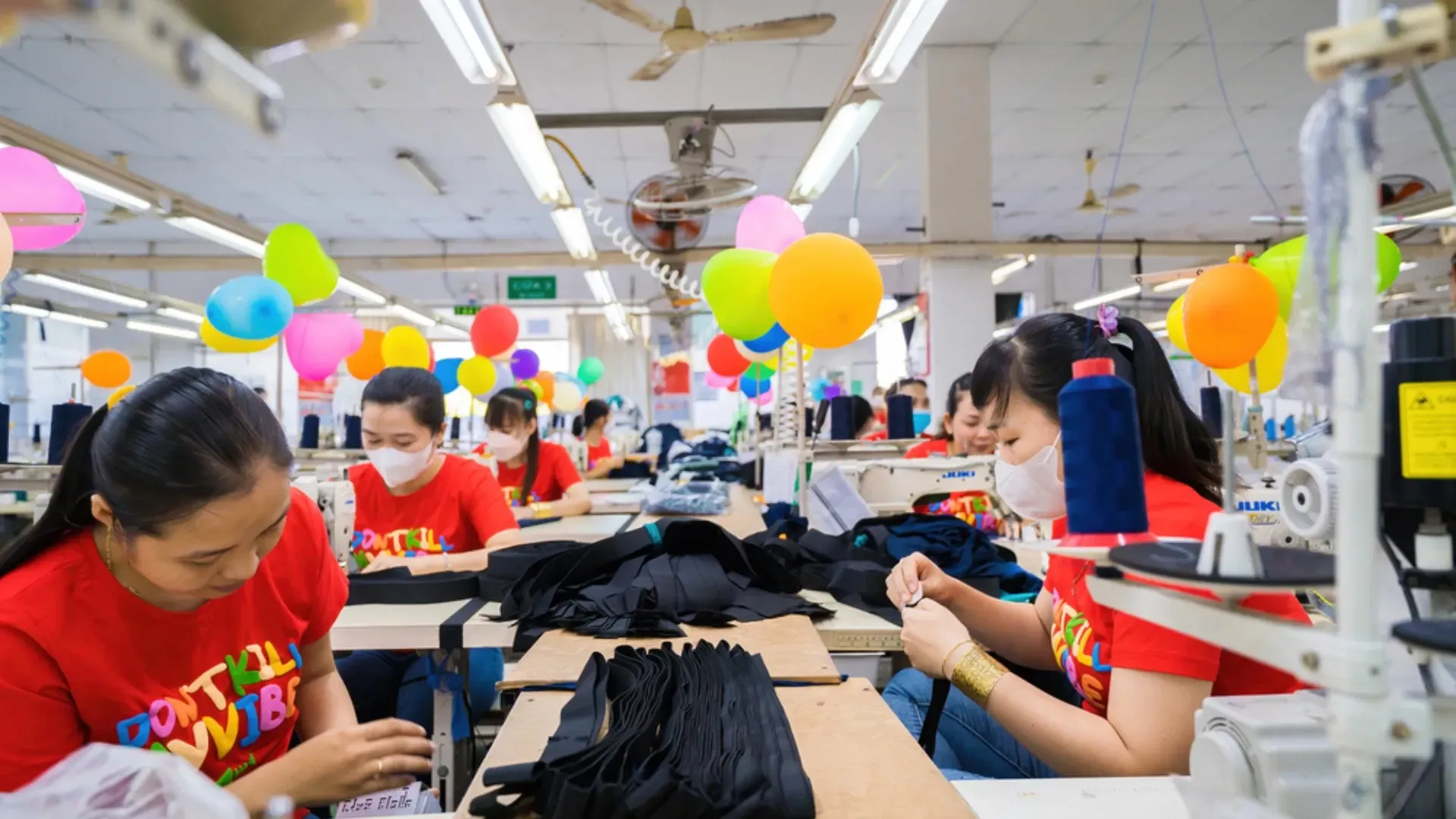
The bill, which follows on the heels of previous passage in the lower house, affects some 1,400 product lines ranging from autos and auto components to textiles and apparel, plastics, footwear, and steel and various consumer goods. Although most goods will see hikes limited to around 35%, some will see duties raised to the maximum 50%, which is the maximum level Mexico can charge and still be within rules set down by the World Trade Organisation (WTO). The lawmakers said it would help stimulate local production and protect small and medium enterprises from being swamped with low-cost imports. 

The president of Mexico, Claudia Sheinbaum, described it as a measure within an overall industrial policy. According to government authorities, these tariffs will provide room in the country’s budget and will make it attractive for some production processes to be incorporated. It will be particularly so for sectors that are considered fundamental for labor market and technologically advancements. According to analyst sources and local reports, these steps may result in an extra $2.5-3.8 billion within 2026. 

The timing is intensely political. For months, Washington has leaned on Mexico and other neighbours to tighten controls on imports from China that might be used to access the US market. With a review of the US-Mexico-Canada Agreement due later this year, Mexico’s administration seems to be signalling alignment with partners in Washington while trying to rebalance its own trade ledger. Critics say the tariffs risk retaliation and will raise costs for Mexican consumers and firms reliant on imported intermediate goods. 

Beijing responded swiftly and furiously. A commerce ministry spokesman denounced the policy as “protectionist” and warned it might harm China-Mexico trade relations and that it should be “corrected” by China. It appears that China will analyze the effects and retain the option of a response, and this stance threatens a reciprocal policy at a moment when global trade tensions already are running high. It remains to be seen what response China will make, whether it will be diplomatic maneuvering, a WTO complaint, or specific actions. 

As for businesses, there will be an uneven impact. Those Mexican exporters who rely on components sourced from Asia may have an increase in costs, which will then be reflected either in higher prices or margins that these businesses cannot absorb. It could also affect the supply chain components for cars because, while large international automaker companies with operations in Mexico might have adaptive business models, there will be stresses on smaller sector components manufacturers and importers of completely built cars. Indian and South Korean exporters have also warned that they may be affected because the list includes nations without a free trade agreement with Mexico. 

But there are short-term risks involved, as warned by market analysts. Increasing import taxes might safeguard particular sectors of the country’s economy, but it would result in low competition, inefficiency, and potentially higher costs. There might be a legal challenge as well. Countries that will be impacted as a result could raise an issue at the WTO if they perceive that Mexico’s strategy does not comply with global norms. Consequently, there might be a prolonged global battle that would make Mexico rethink its decisions regarding protection and openness.  

Tags: Asiaglobal trademexicoTariffs
The Global Economics

The Global Economics

The Global Economics Limited is a UK based financial publication and a bi-annual business magazine giving thoughful insights into the financial sectors on various industries across the world. Our highlight is the prestigious country specific Annual Global Economics awards program where the best performers in various financial sectors are identified worldwide and honoured.

Related Posts

Asian Development Bank’s $70 Billion Infrastructure Drive: Powering Asia’s Next Growth Chapter
Banking

Asian Development Bank’s $70 Billion Infrastructure Drive: Powering Asia’s Next Growth Chapter

by The Global Economics
May 6, 2026
Joining Hands: Regional Cooperation Moves Latin America’s Economy Forward
Economy

Joining Hands: Regional Cooperation Moves Latin America’s Economy Forward 

by The Global Economics
May 2, 2026
AUKUS 2.0: Redefining Defence Investment and Industrial Power in Oceania
defence

AUKUS 2.0: Redefining Defence Investment and Industrial Power in Oceania  

by The Global Economics
April 30, 2026
Oil Shock and Economic Strain: Asia Faces the Fallout of the Iran War
Economy

Oil Shock and Economic Strain: Asia Faces the Fallout of the Iran War  

by The Global Economics
April 29, 2026
From Oversupply to Opportunity: What China’s Property Slowdown Means for APAC Investors
Economy

From Oversupply to Opportunity: What China’s Property Slowdown Means for APAC Investors 

by The Global Economics
April 22, 2026
Twitter Youtube LinkedIn Soundcloud
the global economics logo

The Global Economics Limited is a UK based financial publication and a Bi-Monthly business magazine giving thoughtful insights into the financial sectors on various industries across the world. Our highlight is the prestigious country specific Annual Global Economics awards program where the best performers in various financial sectors are identified worldwide and honoured.

DMCA.com Protection Status

  • Privacy
  • Legal
  • Terms of Use
  • Client’s Voice
  • Server Status

norton verified - the global economics

Latest Posts

Asian Development Bank’s $70 Billion Infrastructure Drive: Powering Asia’s Next Growth Chapter

Asian Development Bank’s $70 Billion Infrastructure Drive: Powering Asia’s Next Growth Chapter

May 6, 2026
A New Oil Order: UAE’s OPEC Exit and the Future of Energy Power in the Gulf

A New Oil Order: UAE’s OPEC Exit and the Future of Energy Power in the Gulf

May 5, 2026
A Calculated Expansion: Shell’s $16.4 Billion Move Reshapes the Energy Landscape

A Calculated Expansion: Shell’s $16.4 Billion Move Reshapes the Energy Landscape 

May 4, 2026
Download The Global Economics PWA to your mobile or Desktop
PWA App Download
Download The Global Economics Android App to your mobile or Desktop
Android App
Download The Global Economics IOS App to your mobile or Desktop
IOS App

All Rights Reserved © 2020 | 🇬🇧 The Global Economics, Business Finance Publication - www.theglobaleconomics.uk 🌏

Welcome Back!

Sign In with Facebook
Sign In with Linked In
OR

Login to your account below

Forgotten Password? Sign Up

Create New Account!

Sign Up with Facebook
Sign Up with Linked In
OR

Fill the forms below to register

*By registering into our website, you agree to the Terms & Conditions and Privacy Policy.
All fields are required. Log In

Retrieve your password

Please enter your username or email address to reset your password.

Log In
No Result
View All Result
  • About us
  • Awards
  • Magazine
  • Client’s Voice
  • Exclusive Coverage
  • Nominate
  • Login
  • Sign Up

All Rights Reserved © 2020 | 🇬🇧 The Global Economics, Business Finance Publication - www.theglobaleconomics.uk 🌏

This website uses cookies. By continuing to use this website you are giving consent to cookies being used. Visit our Privacy and Cookie Policy.